Are you looking to streamline your air shipping from China to Fiji and wondering how to avoid potential pitfalls and unnecessary costs? In this comprehensive guide, we’ll break down every step of the air freight process, including major airports, cost factors, customs procedures, and tips for selecting the best air freight forwarder. Discover essential knowledge to make your China-Fiji shipments smooth, efficient, and cost-effective!
Major Airports in China and Fiji
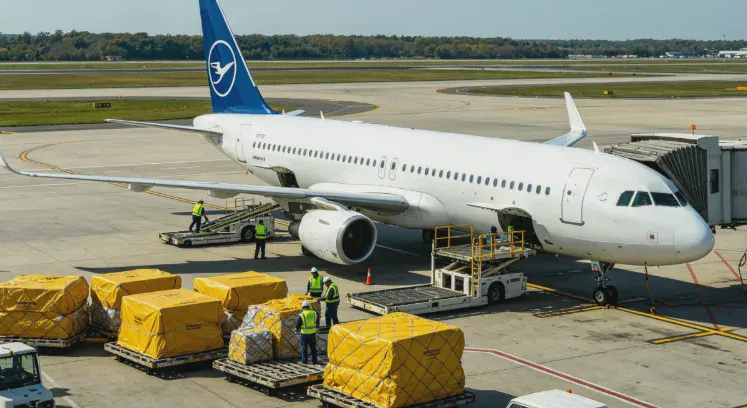
When planning air shipping from China to Fiji, understanding the major airports involved is crucial for efficiency, cost, and transit time.
Major Airports in China (Origin)
China has one of the world’s most advanced air cargo infrastructures. The following airports consistently handle high volumes of international air freight:
| Airport | City/Province | IATA Code | Air Cargo Volume (2026, Million Tons) | Key Features |
|---|---|---|---|---|
| Shanghai Pudong International Airport | Shanghai | PVG | 3.6 | Largest air cargo hub in China; multiple direct & connecting flights to Oceania |
| Guangzhou Baiyun International Airport | Guangzhou, Guangdong | CAN | 2.0 | Southern China logistics gateway; diverse air cargo options |
| Beijing Capital International Airport | Beijing | PEK | 1.5 | Major northern hub; strong customs clearance capability |
| Shenzhen Bao'an International Airport | Shenzhen, Guangdong | SZX | 1.3 | Major e-commerce & hi-tech export center |
| Hong Kong International Airport | Hong Kong SAR | HKG | 4.2 | Top global cargo airport; extensive carrier networks |
Source: Civil Aviation Administration of China, 2026 statistics
These airports are preferred for air freight to the South Pacific, including Fiji, due to established cargo routes and efficient handling of customs, transshipments, and special cargo.
For those interested in routes to Oceania, you may also find our guide on Air Shipping from China to New Zealand useful for comparison of transit times and logistics requirements within the region.
Major Airports in Fiji (Destination)
Fiji’s strategic location in the South Pacific makes it the primary logistics gateway for the region, especially for goods from Asia.
| Airport | Location | IATA Code | Role |
|---|---|---|---|
| Nadi International Airport | Nadi, Viti Levu | NAN | Main international cargo gateway; majority of air freight lands here |
| Nausori International Airport | Suva, Viti Levu | SUV | Secondary commercial airport; handles limited cargo flights |
Most air shipments from China to Fiji are routed via Nadi International Airport, which offers robust customs and cargo handling facilities and is well connected to Fiji’s main commercial centers.
Step-by-Step Air Shipping Process from China to Fiji
Understanding the end-to-end air shipping process from China to Fiji ensures smooth logistics and helps avoid costly delays. Here is a detailed, professional guide:
Preparing Your Goods for Air Freight
Proper preparation is the foundation of successful air cargo delivery.
-
Cargo Classification & Packaging
- Determine your cargo type (general cargo, dangerous goods, temperature-sensitive items, etc.).
- Use air freight-compliant packaging: lightweight, sturdy, and compliant with IATA regulations.
- Label all packages clearly with handling instructions, consignee details, and destination information.
-
Weight & Dimensions
- Accurately measure gross weight and chargeable weight (considering volumetric weight: Length x Width x Height / 6000).
- For large or irregular shipments, consult your freight forwarder for optimal solutions.
-
Documentation Preparation
- Commercial Invoice
- Packing List
- Air Waybill (AWB)
- Export License (if applicable)
- Certificates of Origin and other compliance documents as required
-
Cargo Insurance
- Evaluate risk and consider cargo insurance for added security. DTFU International Logistics Co.,Ltd offers competitive insurance solutions.
Booking Air Cargo Space and Documentation Requirements
Booking Process
- Select Air Freight Forwarder: Choose an experienced forwarder like DTFU International Logistics Co.,Ltd for professional handling and competitive rates.
- Request Freight Quote: Provide shipment details: cargo type, weight, volume, pickup and delivery addresses, preferred departure/arrival dates.
- Book Space: Confirm booking with your forwarder, who will secure space with airlines operating China-Fiji routes.
- Pickup & Delivery: Arrange for goods collection from your premises or deliver them to the forwarder’s warehouse.
Essential Documentation
| Document | Purpose | Who Provides |
|---|---|---|
| Air Waybill (AWB) | Main contract and tracking document | Freight forwarder |
| Commercial Invoice | Customs valuation and clearance | Shipper |
| Packing List | Identifies content and packaging | Shipper |
| Export License | Legal export permission (if required) | Shipper/Govt. |
| Certificate of Origin | Proof of cargo origin (for preferential tariffs) | Shipper/Chamber of Commerce |
Tip: Proper documentation minimizes customs risks and speeds up clearance.
Customs Clearance Procedures in China and Fiji
Efficient customs clearance is key to timely delivery during air shipping from China to Fiji.
China Customs Clearance (Export)
- Document Submission: All required documents (see above) must be submitted to China Customs.
- Cargo Inspection: Random or targeted inspections may occur for certain goods or HS codes.
- Export Duties & Control: Most general exports from China are duty-free, but sensitive items may require additional permits or inspections.
- Release: Upon approval, cargo is released for departure.
Fiji Customs Clearance (Import)
- Pre-Arrival Filing: Submit pre-alert and documentation to Fiji Revenue & Customs Service (FRCS) before cargo arrival.
- Customs Duties & Taxes: Fiji imposes import duties, VAT (currently 15%), and sometimes excise taxes depending on the cargo type. Example: Electrical goods = ~15% duty, clothing = ~32%
- Cargo Inspection: FRCS may inspect cargo for prohibited/restricted items, valuation, and compliance.
- Release & Delivery: Once all duties and taxes are paid, and documents verified, cargo is released for delivery to the consignee.
China-Fiji Air Freight Clearance Comparison Table
| Procedure | China (Export) | Fiji (Import) |
|---|---|---|
| Document Filing | Mandatory | Mandatory, pre-arrival recommended |
| Inspection Rate | Selective/random | Selective/random |
| Typical Duties | Usually 0% (export) | 0-32% (varies by cargo type) + 15% VAT |
| Clearance Time | 6-24 hours (if documents in order) | 1-3 days (if no inspection) |
| Key Authority | China Customs | Fiji Revenue & Customs Service (FRCS) |
Important Note: Recent policy changes in both countries have streamlined e-clearance and introduced stricter controls for high-risk items (e.g., electronics, textiles, perishables). Working with an experienced partner like DTFU International Logistics Co.,Ltd ensures up-to-date compliance and reduces the risk of delays.
In summary: For air shipping from China to Fiji, understanding the major airports, preparing cargo and documents thoroughly, and ensuring smooth customs clearance are essential for reliable and cost-effective delivery. Choosing a professional freight forwarder such as DTFU International Logistics Co.,Ltd—with extensive experience in the China-Fiji corridor—guarantees peace of mind and operational excellence for your business.
If you are also considering shipments to other Pacific destinations, refer to our article on Air Shipping from China to Jamaica for comparative transit solutions.
How Much Does Air Freight Cost from China to Fiji?
Main Factors Affecting Air Shipping Costs
When considering Air Shipping from China to Fiji, several key factors play a decisive role in determining the overall cost. Understanding these elements helps businesses and individuals make informed decisions and optimize their logistics spend.
-
Cargo Weight and Volume
- Airlines use either the actual weight or the volumetric (dimensional) weight to calculate freight costs. For lightweight but bulky cargo, the volume is often the deciding factor.
- The formula used: Volumetric Weight (kg) = (Length x Width x Height in cm) / 6000
-
Type of Goods
- Specialized cargo like hazardous materials, perishables, or high-value electronics often comes with surcharges due to additional handling and compliance requirements.
-
Departure and Arrival Airports
- Air freight charges can vary depending on the export airport in China (e.g., Shanghai Pudong (PVG), Guangzhou Baiyun (CAN), Beijing Capital (PEK)) and the destination airport in Fiji (Nadi International Airport (NAN)).
- Proximity to major cargo hubs can reduce inland transportation costs.
-
Transit Time & Service Level
- Express and priority services are more expensive than standard air freight options.
- Direct flights can be costlier than shipments with transshipment stops.
-
Seasonality and Market Demand
- Peak shipping seasons, such as before major holidays (e.g., Chinese New Year, Christmas), see increased rates due to higher freight demand.
-
Fuel Surcharges and Additional Fees
- Airlines apply variable surcharges for fuel and security. These fluctuate based on global fuel prices and regulatory changes.
-
Insurance and Value-Added Services
- Optional services like Cargo Insurance or door-to-door delivery increase the total shipping expense.
Example Table: Key Cost Influencers
| Factor | Impact on Cost | Notes |
|---|---|---|
| Weight/Volume | High | Volumetric weight often exceeds actual weight |
| Type of Goods | Moderate to High | E.g., dangerous goods require special handling |
| Origin & Destination Airports | Medium | Major airports are typically more cost-efficient |
| Transit Time/Service Level | High | Faster = more expensive |
| Seasonality | High | Rates increase during peak seasons |
| Surcharges (Fuel, Security) | Moderate to High | Updated monthly/quarterly |
| Value-Added Services | Varies | Optional, but can be significant |
Typical Air Freight Rates and Surcharges
The following table provides a reference for recent air freight rates between major Chinese airports and Nadi International Airport (NAN), Fiji. Please note that rates are subject to change due to market conditions and should be verified at time of booking.
| Route (2026) | General Cargo Rate (USD/kg) | Express/Consolidated Rate (USD/kg) | Fuel Surcharge (USD/kg) | Other Surcharges |
|---|---|---|---|---|
| Shanghai (PVG) – Nadi (NAN) | 4.5 – 6.8 | 7.0 – 10.0 | 0.90 | Security, Handling |
| Guangzhou (CAN) – Nadi (NAN) | 4.2 – 6.5 | 6.8 – 9.5 | 0.85 | Security, Handling |
| Beijing (PEK) – Nadi (NAN) | 4.8 – 7.2 | 7.5 – 10.5 | 0.95 | Security, Handling |
Note:
- Above figures are for reference only; actual rates will depend on cargo type, weight, volume, and current airline tariffs.
- Surcharges may include customs documentation, warehousing, and value-added services.
- For special cargo (e.g., temperature-controlled, dangerous goods), expect higher rates.
Interested in comparing air freight rates elsewhere in the Pacific and Americas? You may want to check out Air Shipping from China to Paraguay for additional insights.
How to Get an Accurate Air Freight Quote
To receive an accurate and competitive air freight quote from China to Fiji, follow these steps:
-
Prepare Detailed Shipment Information:
- Cargo description, packaging type, number of pieces, total weight, and dimensions.
- Clarify Incoterms (e.g., EXW, FOB, DAP), which affect the responsibilities and cost allocation.
-
Select Origin and Destination:
- Identify the specific origin airport in China and the delivery location in Fiji (airport-to-airport, or door-to-door).
-
Choose Service Level:
- Decide between standard, priority, or express air freight.
- Specify if you require additional services like customs clearance, cargo insurance, or warehousing.
-
Contact a Reputable Freight Forwarder:
- Engage with an experienced company such as DTFU International Logistics Co.,Ltd.
- DTFU offers instant quotes via email, phone, or their official website, ensuring a transparent breakdown of all costs.
-
Request Itemized Costing:
- Ensure your quote includes all expected charges: air freight, fuel surcharges, terminal handling, documentation, customs clearance, and inland delivery (if needed).
-
Compare and Confirm:
- Compare quotes based on total cost, transit time, reputation, and available support.
Pro Tip: Providing complete and accurate shipment data will ensure that your quote reflects the true shipping cost, avoiding unexpected surcharges.
Choosing the Best Air Freight Forwarder for China to Fiji Shipments
Selecting the right air freight forwarder is critical for a smooth, cost-effective logistics experience. Here are essential factors to consider, along with why DTFU International Logistics Co.,Ltd is a top choice for China-Fiji air shipping:
Key Criteria for Forwarder Selection
-
Experience and Expertise
- Look for a forwarder with a strong track record in the China-South Pacific trade lane.
- Ensure knowledge of Fijian customs regulations, documentation, and compliance requirements.
-
Comprehensive Service Offering
- The ideal forwarder should provide end-to-end solutions: air freight, sea freight, road freight, Amazon FBA, warehousing, cargo insurance, customs clearance, door-to-door, OOG freight, consolidated freight, and breakbulk freight.
- For readers managing multiple international routes, our detailed resource on Air Shipping from China to Nigeria offers a perspective on logistics management across continents.
-
Network and Partnerships
- Strong relationships with major airlines and ground handlers at both Chinese and Fijian airports ensure competitive rates and priority space allocation.
-
Transparent Pricing and Communication
- A reliable forwarder offers clear, itemized quotes and keeps you updated throughout the shipment process.
-
Customer Support and Problem Solving
- Responsive assistance is crucial to address documentation, customs, or operational issues, especially during peak seasons or unforeseen disruptions.
-
Value for Money
- Don’t just look for the lowest price; consider overall value, including reliability and risk management.
Why Choose DTFU International Logistics Co.,Ltd?
DTFU International Logistics Co.,Ltd stands out as a leading, customer-focused logistics partner for Air Shipping from China to Fiji because:
- Decade-Plus Experience: With over 12 years in global freight forwarding, DTFU has deep expertise in the China-Fiji route.
- One-Stop Service: From pickup, packaging, and export clearance in China, to customs clearance and delivery in Fiji, DTFU handles every detail.
- Competitive Pricing: Leveraging direct contracts with major airlines and efficient operational processes, DTFU consistently delivers cost-effective solutions.
- Comprehensive Support: Dedicated account managers, real-time shipment tracking, and proactive problem-solving ensure peace of mind.
- Full Compliance: DTFU’s compliance team stays updated with the latest regulations and provides guidance on documentation, taxes, and duties.
- Flexible Solutions: Whether you need door-to-door service, special cargo handling, or customized insurance, DTFU can tailor their offerings.
For a personalized consultation or a free, obligation-free quote, contact DTFU International Logistics Co.,Ltd. Our team is ready to help you optimize your supply chain between China and Fiji.
Common Challenges and Solutions in China-Fiji Air Shipping
Dealing with Delays, Customs Issues, and Regulations
Shipping goods by air from China to Fiji can be highly efficient, but several challenges often arise, including shipment delays, complex customs procedures, and compliance with regulatory requirements. Understanding these potential obstacles and preparing for them is essential for smooth operations.
1. Common Causes of Delays
- Flight Capacity Constraints: The demand for air freight—especially during peak seasons (such as before Christmas or Chinese New Year)—may exceed available capacity, leading to delayed departures.
- Weather Disruptions: Typhoons, storms, or heavy rain can impact flights at both Chinese and Fijian airports, causing rescheduling or cancellations.
- Documentation Errors: Incomplete or incorrect shipping documents, such as the Air Waybill (AWB), Commercial Invoice, or Packing List, can result in customs hold-ups.
- Customs Inspections: Both China Customs and Fiji Revenue & Customs Service (FRCS) may randomly inspect shipments, particularly if the cargo is high-value or categorized as restricted.
2. Customs Clearance Issues
- China: Exports must comply with Chinese regulations, including providing accurate HS codes, export licenses (if required), and ensuring the declaration matches the goods.
- Fiji: Fiji enforces strict import regulations on certain goods (electronics, food, chemicals, etc.). Failure to obtain necessary permits or certificates (such as biosecurity approval) leads to cargo detention or fines.
3. Regulatory Changes
- Real-time Updates: Both countries may update tariffs, restricted item lists, or introduce new security protocols; staying informed is critical.
- COVID-19 and Health-Related Rules: Recent years have seen sudden changes in requirements for health declarations or disinfection certificates.
Solutions & Recommendations
- Work with a Trusted Freight Forwarder: Engaging a professional company like DTFU International Logistics Co.,Ltd helps navigate the regulatory landscape, as we maintain up-to-date knowledge on customs and compliance in both China and Fiji.
- Double-Check Documentation: Always verify all forms and permits before shipment.
- Book Early During Peak Seasons: Reserve cargo space and submit paperwork well in advance.
- Real-time Tracking: Use digital systems to monitor cargo status and respond swiftly to delays.
Solutions for Oversized or Special Cargo
Shipping oversized, heavy, or special cargo (such as fragile, perishable, or high-value goods) by air from China to Fiji requires careful planning and expertise.
Challenges
- Aircraft Limitations: Not all flights accept oversized or non-standard cargo. Certain items might require palletization or special handling.
- Special Permits: Dangerous goods (DG), live animals, or temperature-sensitive items need additional documentation and approvals.
- Loading & Unloading: Certain airports may have limited equipment for extra-large items or require advance notice for such shipments.
- Higher Freight Fees: Due to the nature of these shipments, costs are usually higher, and insurance is more critical.
Effective Solutions
| Challenge | Solution | DTFU Service Advantage |
|---|---|---|
| Aircraft Capacity | Pre-arrange bookings with airlines that operate cargo freighters or wide-body aircraft. | DTFU has priority slots and partnerships with airlines |
| Special Handling | Use certified packaging for fragile or hazardous goods; label cargo clearly. | Expert packing & labeling service |
| Permitting & Documentation | Obtain all required certificates (e.g., MSDS for chemicals, permits for DG or live animals). | End-to-end documentation support |
| Loading/Unloading Support | Coordinate with airport ground services; provide dimensions and weight in advance. | On-site cargo handling team |
| Insurance | Purchase comprehensive cargo insurance to cover unique risks. | Tailored insurance solutions |
By leveraging the expertise of DTFU International Logistics Co.,Ltd, clients benefit from a one-stop solution for oversized, sensitive, or regulated cargo, ensuring both compliance and cost-effectiveness.
Tips for Efficient and Cost-Effective Air Shipping from China to Fiji
To optimize your air shipping from China to Fiji—balancing speed, reliability, and cost—consider the following best practices:
- Consolidate Shipments: Where possible, combine smaller consignments to maximize cargo volume and secure better rates.
- Accurate Weight & Dimensions: Precisely measure and declare cargo details to avoid unexpected surcharges or delays.
- Choose the Right Service Level: For urgent goods, select express air freight. For less time-sensitive cargo, standard air freight is more economical.
- Leverage Door-to-Door Service: This simplifies the process, particularly for SMEs or individuals, by handling pickup, documentation, customs, and final delivery.
- Monitor Market Trends: Freight rates can be volatile—book ahead during low-rate periods or off-peak months.
- Engage a Reliable Freight Forwarder: Partnering with a reputable provider like DTFU International Logistics Co.,Ltd—known for professionalism and transparent pricing—reduces risks and ensures smooth customs clearance.
- Insure Your Cargo: Always arrange suitable cargo insurance, especially for high-value or sensitive goods.
Sample Air Freight Transit Time & Cost Table: China to Fiji
| Origin Airport (China) | Destination Airport (Fiji) | Typical Transit Time (Days) | Estimated Cost (USD/kg)* |
|---|---|---|---|
| Shanghai (PVG) | Nadi (NAN) | 3–5 | $4.50–$7.50 |
| Guangzhou (CAN) | Nadi (NAN) | 3–6 | $4.20–$7.20 |
| Beijing (PEK) | Nadi (NAN) | 4–7 | $4.80–$7.80 |
Note: Prices fluctuate based on volume, season, and market dynamics. Please contact DTFU International Logistics Co.,Ltd for a real-time, personalized quote.
FAQs
Q1: What documents are required for air shipping from China to Fiji?
A: Standard documents include the Air Waybill (AWB), Commercial Invoice, Packing List, and any certificates or permits for restricted goods (such as Certificate of Origin, MSDS for chemicals, or biosecurity permits for food).
Q2: How long does air freight from China to Fiji usually take?
A: Transit time typically ranges from 3 to 7 days, depending on the origin and schedule. Customs clearance, cargo type, and airline capacity can affect the timeline.
Q3: Can I ship personal effects or small parcels by air?
A: Yes. Both commercial and personal shipments can be arranged. For small parcels, door-to-door or express courier services are available through DTFU International Logistics Co.,Ltd.
Q4: Are there items prohibited or restricted in Fiji?
A: Yes. Fiji restricts imports of certain food, plants, electronics, chemicals, and counterfeit goods. It is important to check the latest regulations or consult with our team before shipping.
Q5: How can I reduce my air freight costs?
A: Book early, consolidate shipments, provide accurate cargo details, and avoid peak seasons where possible. Choosing a cost-effective provider like DTFU International Logistics Co.,Ltd also helps minimize expenses through efficient processes.
Q6: What if my shipment is delayed or held by customs?
A: Immediate action is key. Our team at DTFU provides real-time tracking and professional intervention to resolve issues and expedite release, keeping you updated throughout the process.