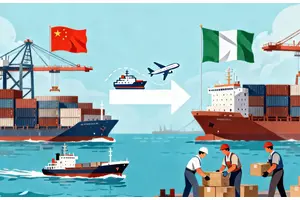
Are you struggling to lock down the true cost of air shipping from China to Nigeria? For many importers sourcing from Guangzhou or Shenzhen, the initial freight quote is just the beginning. As a Senior International Freight Forwarding Expert at DTFU Logistics with over a decade of hands-on experience managing West African supply chains, I constantly see buyers fall into the same costly traps. Just last month, we rescued an importer whose cargo was stranded at Murtala Muhammed International Airport (LOS) because their cheap forwarder failed to declare lithium batteries correctly, resulting in heavy airline fines and a 14-day delay.
If you are importing high-value electronics, fashion, or urgent machinery parts, you cannot afford guesswork. In this guide, we bypass the generic advice and dive into the real, operational data for 2026. We will break down exactly how much you should be paying per kilogram, how to legally ship battery-powered goods, and why choosing the right delivery method (DDP vs. Airport-to-Airport) will make or break your profit margins.
Key Takeaways:
- Average Costs: Standard air freight from major Chinese hubs to Lagos typically ranges from $4.50 to $7.00 per kg, heavily dependent on volumetric weight and fuel surcharges.
- Hidden Fees Destroy Margins: Many importers are blindsided by NAHCO/SAHCO terminal handling charges in Lagos. Door-to-Door (DDP) shipping is the safest way to lock in your total landed cost.
- Battery Compliance is Mandatory: Shipping electronics (phones, laptops) requires strict DG (Dangerous Goods) compliance, including MSDS and UN38.3 certifications.
- Customs Nuances: While Door-to-Door bypasses some formal documentation, standard Airport-to-Airport shipments legally require an approved Form M, PAAR, and SONCAP certificate for clearance.
- FX Volatility Risk: In 2026, the Central Bank of Nigeria (CBN) customs exchange rate fluctuates frequently. Importers must account for these daily rate changes when calculating their final duty payments.
Current Air Freight Rates: China to Nigeria (2026 Updates)
How Much Does It Cost per KG?
In Q1 2026, standard air freight from Southern China (Guangzhou/Shenzhen) to Lagos (LOS) averages between $4.50 and $7.00 per kilogram for shipments over 100kg. Express courier services (like DHL or FedEx) will cost significantly more, often exceeding $10.00 per kg.
From our daily booking operations, we see rates fluctuate based on the carrier. Premium Middle Eastern carriers like Qatar Airways (QR) or Emirates (EK) sit at the higher end of the spectrum but offer unmatched reliability. African carriers like Ethiopian Airlines (ET) or EgyptAir (MS) often provide highly competitive rates, though transit times might extend by 1-2 days due to hub layovers in Addis Ababa or Cairo.
Note: These are estimated base rates. Final pricing depends on fuel surcharges, seasonal demand, and specific airline routing.
| Service Type | Origin | Destination | Estimated Cost (Per KG) | Transit Time |
|---|---|---|---|---|
| Standard Air Freight | Guangzhou (CAN) / Shenzhen (SZX) | Lagos (LOS) | $4.50 - $7.00 | 5 - 8 Days |
| Express Courier | Any China Hub | Lagos / Abuja | $10.00 - $15.00+ | 3 - 5 Days |
| Door-to-Door (DDP) | Guangzhou (CAN) | Lagos Warehouse | Custom Quoted (All-in) | 7 - 12 Days |
Volumetric Weight vs. Actual Weight: Don't Overpay
Airlines charge based on "Chargeable Weight," which is the higher number between your cargo's Actual Weight (how heavy it is) and its Volumetric Weight (how much space it takes up). The standard aviation formula for volumetric weight is: Length (cm) x Width (cm) x Height (cm) / 6000.
If you are shipping lightweight but bulky items like shoes or plastic phone cases, you will likely be billed on volumetric weight. Always instruct your Chinese supplier to pack goods as densely as possible to minimize dead space.
Hidden Handling Charges at NAHCO/SAHCO Terminals in Lagos
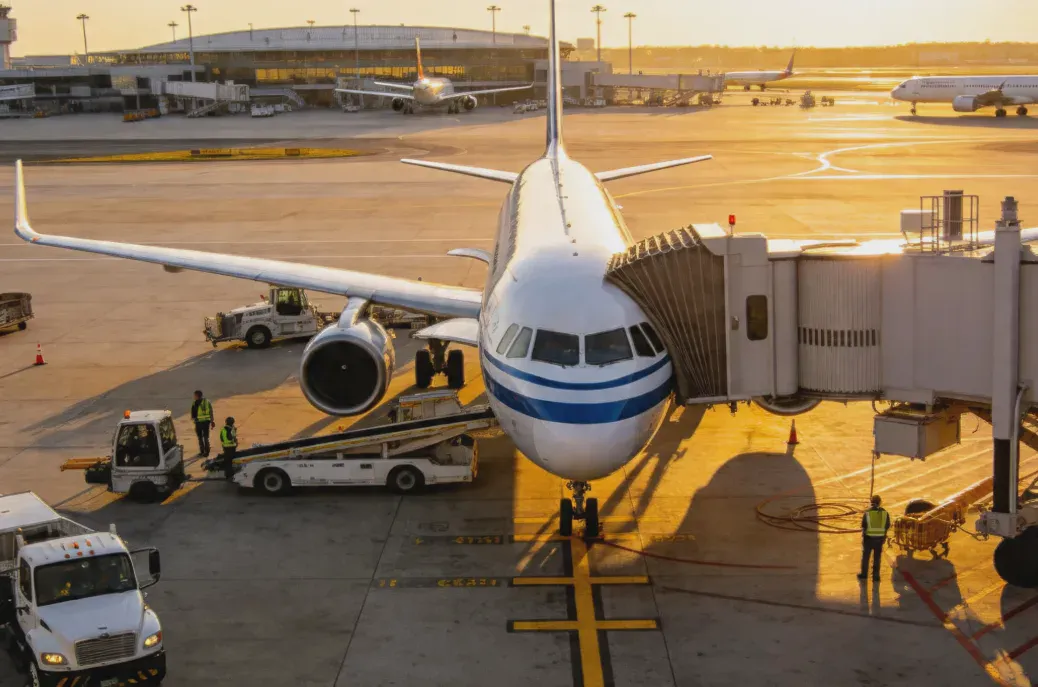
When your cargo lands at Murtala Muhammed International Airport, the airline hands it over to ground handling companies—primarily NAHCO or SAHCO. They charge terminal handling fees, storage fees (which accrue rapidly after a short free period), and documentation fees.
In our experience clearing cargo in Lagos, these "hidden" fees are substantial. Even for a moderate 200kg shipment, you can easily face NGN 100,000 to NGN 250,000+ in administrative, forklift, and demurrage charges if clearance is delayed by even a few days. If your forwarder only quoted you "Airport-to-Airport," you are entirely responsible for these unpredictable destination charges.
Door-to-Door vs. Airport-to-Airport: Which is Better for You?
Why 80% of SMEs Choose Door-to-Door Delivery to Lagos
Door-to-Door is the most popular method for Nigerian SMEs and e-commerce sellers. Why? Because the freight forwarder handles the entire process: picking up the goods in China, managing export customs, flying the cargo, clearing Nigerian customs, paying all local duties, and delivering it to your shop in Alaba International Market or Computer Village. You pay one flat fee per kilogram upfront, completely shielding your business from NAHCO fees, customs bribes, or sudden duty hikes.
Airport-to-Airport: When to Use Formal Customs Clearance
If you are a large corporation importing regulated pharmaceuticals, heavy industrial machinery, or goods requiring official government tax receipts for accounting purposes, you must use Airport-to-Airport shipping. This requires you (or your local customs broker) to handle the formal customs clearance process in Lagos using your company's official import licenses.
Shipping Electronics and Battery Goods to Nigeria
Regulations for Phones, Laptops, and Power Banks
Nigeria imports a massive volume of consumer electronics from Shenzhen. However, lithium-ion batteries (found in phones, laptops, and power banks) are classified as Dangerous Goods (DG) by the IATA. You cannot simply put these on a standard passenger flight. They require specialized cargo freighters, specific DG packaging, and strict airline declarations.
Required Documentation
To legally export battery-powered goods from China, your supplier must provide a valid Material Safety Data Sheet (MSDS) and a UN38.3 Test Report. Without these, Chinese export customs will reject the shipment, and airlines will refuse to load the cargo. Always confirm your supplier has these documents before paying your deposit.
Navigating Nigerian Customs for Air Cargo
Do You Need Form M and PAAR for Air Freight?
Yes. For formal Airport-to-Airport shipments, Nigerian law dictates that you must secure an approved E-Form M via the Central Bank of Nigeria (CBN) Trade Monitoring System portal before the cargo leaves China. Once shipped, you submit your final commercial documents to your Authorized Dealer Bank to generate the Pre-Arrival Assessment Report (PAAR).
The PAAR is issued by the Nigeria Customs Service (NCS) and determines your exact duty payments based on the prevailing CBN customs exchange rate. Shipping without these documents will result in your cargo being flagged for 100% physical examination, massive penalties at Lagos airport, or outright seizure. (Note: DDP services generally manage clearance through specialized bulk-clearance channels, bypassing the need for individual buyers to process Form M).
SONCAP Certification Requirements for Fast Clearance
Most manufactured goods imported into Nigeria require a SONCAP (Standards Organisation of Nigeria Conformity Assessment Programme) certificate. Your Chinese supplier must obtain a Product Certificate (PC) and arrange for inspection by authorized agencies (like SGS or Cotecna) to get the final SONCAP certificate. Without it, your air cargo will not clear Nigerian customs.
Transit Times: How Fast Can Your Cargo Reach Lagos or Abuja?
Express Courier (DHL/FedEx) vs. Standard Air Freight
If you need extreme speed and are shipping less than 50kg (like samples or urgent documents), Express Courier (DHL, UPS, FedEx) is the best option. It provides true door-to-door tracking and usually arrives in 3 to 5 days.
For larger commercial shipments (100kg+), Standard Air Freight is more economical. Flights from major Chinese hubs to Lagos (LOS) or Abuja (ABV) generally take 5 to 8 days airport-to-airport, depending on the routing (direct vs. transshipment via the Middle East or Europe).
Why Flights Get Delayed
Transit times are not guaranteed. Expect delays of 3 to 7 days during peak seasons, such as the weeks leading up to the Chinese New Year or Q4 holiday stocking. Additionally, if your cargo is routed through busy transit hubs like Dubai (DXB) or Addis Ababa (KRT), bad weather or backlog at the hub can cause your freight to be "rolled" to a later flight.
How to Consolidate Your Cargo and Save Money
Combining Orders from Multiple Chinese Suppliers
If you are sourcing from multiple factories across China (e.g., shoes from Guangzhou, electronics from Shenzhen, accessories from Yiwu), never ship them separately. The minimum weight charges and separate customs entry fees will destroy your margins.
Choosing the Right Forwarding Warehouse in China
Instead, instruct all your suppliers to send their goods to a single freight forwarder's consolidation warehouse in a major hub like Guangzhou. The forwarder will receive the parcels, verify the contents, repack them to eliminate dead space (reducing volumetric weight), and ship them as one single, cost-effective consignment to Nigeria. If you also sell on global marketplaces, you might even consider utilizing their Amazon FBA shipping from China or Warehouse Services to manage your inventory efficiently.
Why Choose DTFU International Logistics for Nigeria?
When your business relies on fast, predictable inventory replenishment, you need a logistics partner who understands both the speed of Chinese exports and the complexities of Nigerian customs.
Direct Airline Contracts & Daily Flights to LOS/ABV
We don't rely on middlemen. By leveraging our preferential contract rates and guaranteed space agreements with top-tier airlines, we secure priority boarding for your cargo, even during peak seasons. This means your freight moves faster and sits comfortably below market average costs.
Seamless Local Clearance & Last-Mile Delivery
We offer comprehensive door-to-door solutions designed specifically for the Nigerian market. Our expert team coordinates with our dedicated clearance network in Lagos to navigate the NAHCO/SAHCO terminals swiftly. We handle the paperwork, the local compliance, and the final mile, ensuring your cargo arrives at your warehouse safely, with zero hidden destination fees.
FAQs
What is the minimum weight for air freight to Nigeria?
For standard commercial air freight, the minimum chargeable weight is usually 45kg. However, to get the best per-kilogram rates, we recommend shipping at least 100kg. For anything under 45kg, use express couriers like DHL or FedEx.
Can I pay for freight in Naira or do I need USD?
If you are using a standard Airport-to-Airport service from a global carrier, you generally need to pay in USD. However, many specialized forwarders offering Door-to-Door (DDP) services to Nigeria accept payments in local Naira (NGN) into Nigerian bank accounts, solving currency exchange hurdles.
How long does door-to-door air freight take from China to Nigeria?
A complete door-to-door air freight service from our Guangzhou warehouse to your door in Lagos typically takes 7 to 12 days. This includes the flight time, the customs clearance process in Lagos, and the final local delivery.
Are there restrictions on importing textiles or cosmetics by air?
Yes. Cosmetics require NAFDAC registration and specific health certificates. Certain textiles and fabrics are completely banned from importation into Nigeria to protect local industries. Always consult with your forwarder and check the current Nigerian Customs Service contraband list before buying.
How much does air freight from China to Nigeria cost per kg?
As of 2026, standard air freight costs between $4.50 and $7.00 per kg for shipments over 100kg. Express courier rates are higher ($10.00+ per kg). Your final rate will depend heavily on the volumetric weight of your goods and current airline fuel surcharges.