Customer Background
Client: SolarVolt S.A. — an Argentine renewable energy distributor based in Río Gallegos, Santa Cruz province.
The company supplies off-grid solar power systems to remote Patagonian communities, mining operations, and estancias (ranches) across southern Argentina. They purchase deep-cycle lithium batteries (LiFePO4) from a manufacturer in Shenzhen, China, to bundle with their solar installations. Before working with DTFU Logistics, they had struggled with unreliable freight forwarders who lacked experience handling dangerous goods (DG) and had no clear process for Argentina's complex import bureaucracy.
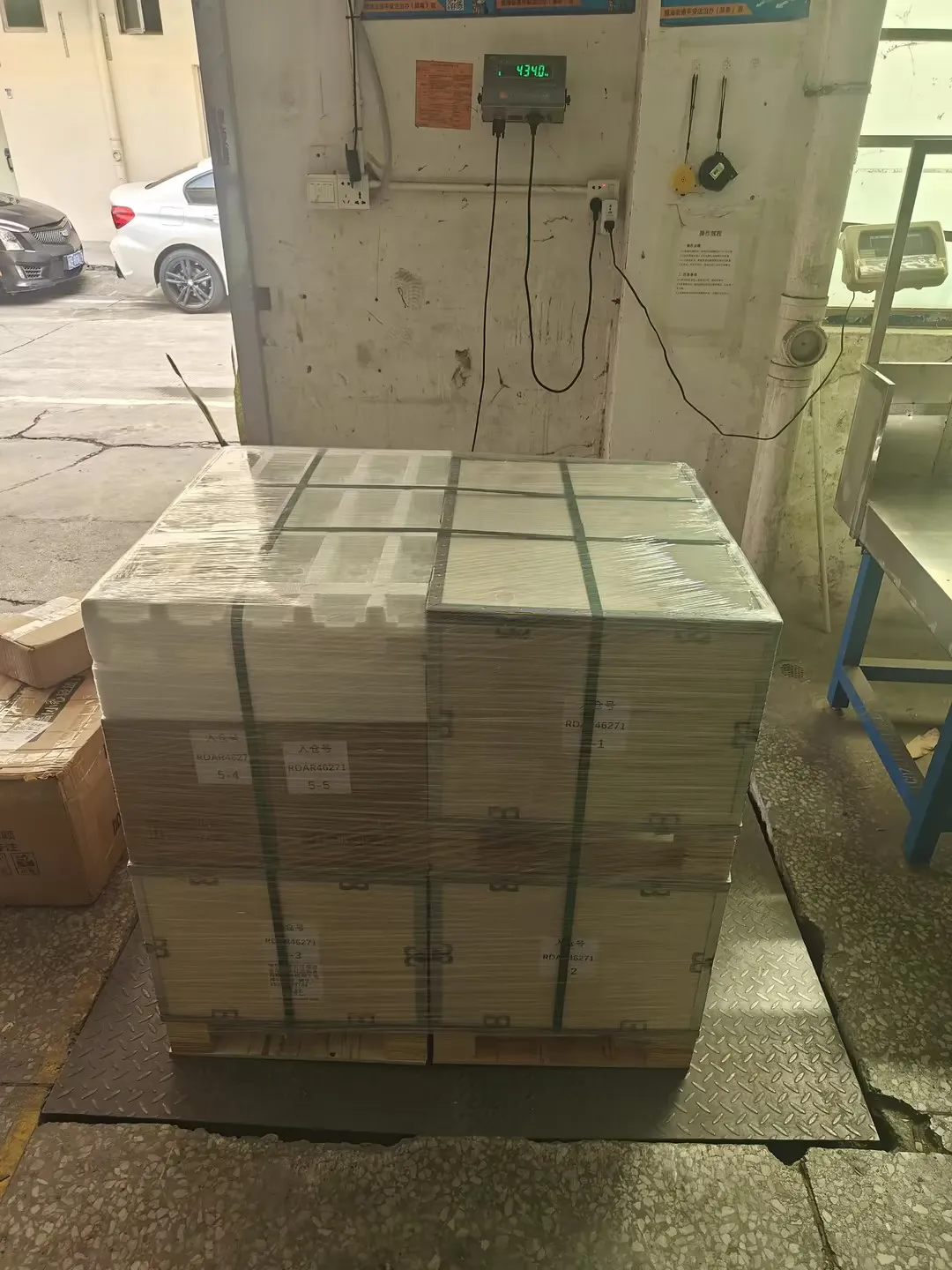
Cargo Information
| Item | Details |
|---|---|
| Commodity | Lithium iron phosphate (LiFePO4) batteries — Class 9 DG (UN3480) |
| Quantity | 320 pcs (packed in 40 cartons, 8 pcs per carton) |
| Total Weight | 2,880 kg gross |
| Total Volume | 14.6 CBM |
| Packaging | UN-approved fiberboard boxes with inner foam cushioning, DG labels, and handling marks |
| Origin | Shenzhen, China (supplier warehouse in Bao'an District) |
| Destination | Santa Cruz, Argentina (warehouse in Caleta Olivia) |
| Incoterm | DDP (Delivered Duty Paid) |
| Shipping Mode | Sea freight — LCL (Less than Container Load) |
Why This Shipping Method
Santa Cruz sits in the far south of Argentine Patagonia — over 2,600 km from Buenos Aires. For a shipment of this size (14.6 CBM), LCL sea freight offered the best balance of cost and reliability.
Here is why DDP made sense for SolarVolt:
- DG expertise required — Lithium batteries are classified as Class 9 dangerous goods under IATA/IMDG regulations. Most small forwarders refuse them or mishandle the paperwork, leading to cargo held at origin.
- Argentina's import maze — DDP meant DTFU took full responsibility for the SIMI permit, AFIP registration, and final customs clearance. SolarVolt's team had no dedicated import department.
- Remote last-mile delivery — Santa Cruz is off the main logistics grid. Few carriers serve the region, and those who do charge premiums for "zona fría" (cold zone) surcharges. As a DDP provider with local partners, DTFU absorbed and optimized these costs.
Shipping Process
Phase 1 — Documentation & Compliance (Week 1–2)
The first challenge was getting the paperwork right. Lithium batteries require:
- Material Safety Data Sheet (MSDS) — issued by the battery manufacturer in Chinese, translated to Spanish and certified
- DG Declaration & IMDG compliance statement
- UN 38.3 test report (mandatory for lithium batteries transported by sea)
- Certificate of Origin (Form A, for potential tariff preference under Mercosur)
DTFU's compliance team reviewed all documents within 48 hours, identified two issues with the MSDS translation, and coordinated with the supplier to get corrected versions.
Phase 2 — SIMI Registration (Week 2–4)
Argentina's SIMI (Sistema Integral de Monitoreo de Importaciones) system requires every importer to register each shipment online with AFIP (the federal tax authority), declaring the product's NCM tariff code, quantity, value, and origin.
- NCM Code: 8507.60.00 (Lithium-ion accumulators)
- SIMI Status: "Officialized" after 12 business days — slightly delayed due to AFIP requesting additional DG specification details
DTFU's Buenos Aires-based customs broker managed the SIMI directly with AFIP, avoiding the usual back-and-forth that delays first-time filers.
Phase 3 — Origin Pickup & Export Customs (Week 4)
Our truck collected the cargo from the supplier's warehouse in Bao'an. The cargo was consolidated at DTFU's own LCL warehouse in Yantian port area, where our team verified DG labeling, packing integrity, and container loading segregation (no mixing with foodstuffs or flammable goods).
Export customs clearance was submitted via the China International Trade Single Window and released within 1 working day — straightforward for properly declared DG cargo.
Phase 4 — Ocean Freight (Week 4–6)
The LCL shipment was loaded onto a 40' HQ container at Yantian port, sailing direct to Buenos Aires (port of call on the Asia–South America East Coast route).
- Vessel: CMA CGM Rio de la Plata
- ETA Buenos Aires: 19 days after departure
- Actual arrival: 21 days (2-day delay due to weather off the Brazilian coast)
Phase 5 — Argentina Import Clearance (Week 6–8)
Once the cargo arrived at Buenos Aires' Terminal 4 (Exolgan), our customs broker submitted the digital entry, paid duties and VAT (21% IVA + 3.5% import duty + 2.5% statistical fee), and obtained the "levante" (release order).
Total tax burden: approximately 27% of CIF value — standard for batteries under Argentina's current tariff schedule.
Phase 6 — Inland Transport to Santa Cruz (Week 8–9)
From Buenos Aires to Caleta Olivia in Santa Cruz, the cargo traveled by truck — approximately 1,700 km via RN-3 (Ruta Nacional 3). This is a two-day drive across the windswept Patagonian plateau.
We used a specialized carrier based in Comodoro Rivadavia that regularly runs the RN-3 corridor and offers temperature-controlled options (important for lithium batteries in summer heat).
Challenges Encountered
1. Argentina's Currency Control & Payment Delays
SolarVolt initially wanted to pay the import duties in Argentina pesos (ARS) through their local bank. Due to Argentina's strict currency controls (CEPO cambiario), the bank delayed the foreign currency transfer by 9 business days. DTFU solved this by advancing the duty payment ourselves and invoicing SolarVolt post-delivery.
2. MSDS Language Compliance
The original MSDS from the Shenzhen factory was in Chinese-only. Argentine customs requires a Spanish-language version notarized by a local consulate. Our documentation team arranged translation and legalization in Buenos Aires while the cargo was still at sea — zero delay.
3. Secondary Inspection at AFIP
AFIP flagged the DG classification for a physical inspection at the terminal. Our customs agent attended the inspection on-site, presented all documents, and obtained release within 48 hours. Without a local representative, this could have stretched to 2–3 weeks.
4. Patagonian Road Conditions
Southern RN-3 has long stretches of gravel road — drivers call it "la cinta negra" (the black ribbon). The truck hit a loose gravel patch 80 km north of Caleta Olivia, causing a minor axle issue. The carrier dispatched a replacement truck within 12 hours.
How We Solved Them
| Challenge | Solution |
|---|---|
| SIMI delay (12 days) | Pre-submitted with full DG documentation — prevented a "rejected" status that would have restarted the clock |
| Currency control block | DTFU pre-funded the duty/VAT payment (~USD 3,100) out-of-pocket; invoiced client after delivery |
| MSDS in Chinese only | Simultaneous translation + notarization in Buenos Aires done proactively during transit |
| AFIP secondary inspection | On-site customs agent presence — resolved in 48 hours versus typical 2+ weeks |
| Patagonia road damage | Backup truck dispatched from Comodoro Rivadavia — delivery delayed by only 1 day |
Final Timeline
| Milestone | Date | Elapsed |
|---|---|---|
| Cargo picked up in Shenzhen | Day 1 | — |
| Loaded at Yantian port | Day 3 | 2 days |
| Vessel departure | Day 6 | 3 days |
| Arrival Buenos Aires | Day 27 | 21 days |
| Customs clearance + tax paid | Day 38 | 11 days |
| AFIP inspection | Day 41 | 3 days |
| Departure from Buenos Aires | Day 44 | 3 days |
| Delivered to Caleta Olivia, Santa Cruz | Day 49 | 5 days (incl. 1-day road delay) |
Total transit time: 49 days from supplier warehouse to final door.
Final Cost
| Item | Cost (USD) |
|---|---|
| Origin trucking (Bao'an → Yantian) | $80 |
| DG documentation & compliance fee | $120 |
| LCL ocean freight (14.6 CBM @ $35/CBM) | $511 |
| BAF (Bunker Adjustment Factor) | $65 |
| THC & port charges (origin + destination) | $195 |
| Argentina SIMI processing fee | $40 |
| Customs broker fees (Buenos Aires) | $220 |
| Import duties, VAT & statistical fee (≈27% of CIF) | $3,100 |
| Inland trucking (Buenos Aires → Caleta Olivia) | $950 |
| Cargo insurance (DG cargo, 110% of CIF) | $89 |
| Total DDP cost | $5,370 |
Per-unit cost: $5,370 ÷ 320 batteries ≈ $16.78 per battery — delivered to Santa Cruz, all taxes and duties included.
SolarVolt had budgeted $7,500 for this shipment based on previous quotes from other forwarders. DTFU saved them $2,130 (28%) — primarily through direct LCL consolidation rates and optimized inland carrier selection.
Customer Review
"This was our first time importing lithium batteries into Santa Cruz. We had been turned down by three other forwarders who either didn't handle DG cargo or said Argentina's customs was 'too complicated.' DTFU handled everything — from SIMI registration to the AFIP inspection to the final truck crossing the Patagonian plains. The price was half of what we expected to pay. We have already booked our next four shipments."
— Martín Quiroga, Operations Manager, SolarVolt S.A.
Lessons Learned
-
Start SIMI early — Argentina's import registration system moves slowly. Submit the application as soon as the cargo is booked, not after it leaves China. Even a "pending" SIMI can delay customs clearance at Buenos Aires.
-
Don't skip the MSDS translation — A Chinese-only MSDS will not pass Argentine customs. Arrange Spanish translation and consular legalization proactively during transit, not after arrival.
-
Budget for Patagonian inland logistics — Buenos Aires to Santa Cruz is a 2,600 km journey. Inland trucking costs more than the ocean leg. Use a carrier based in Comodoro Rivadavia or Río Gallegos — they know the road conditions and have backup trucks available.
-
DG cargo needs a specialist — Not all LCL consolidators accept dangerous goods. DTFU's DG-certified warehouse and shipping team ensured compliance with IMDG codes, UN packaging standards, and labeling requirements. One mislabeled box can stop an entire container.
-
DDP removes the headache for the buyer — For high-complexity destinations like Argentina, DDP protects the buyer from unexpected customs fees, currency control issues, and documentation pitfalls. The flat, all-in cost makes budgeting simple.
Looking to ship batteries, electronics, or other complex cargo from China to Argentina? Contact DTFU Logistics for a free DDP quote. We handle the SIMI, the taxes, the DG compliance, and the last mile — even to Patagonia.