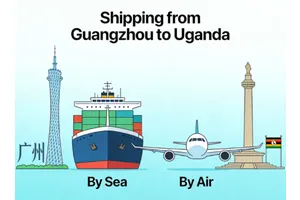
Are you struggling with the complexities of importing goods into a landlocked country? Shipping from Shanghai to Uganda presents unique logistical hurdles that most standard sea freight routes don't face. From navigating the bustling port of Mombasa in Kenya to managing the unpredictable border crossing at Malaba, delays and hidden inland transit costs can quickly eat into your profit margins.
At DTFU International Logistics, we understand these pain points intimately because our team manages hundreds of TEUs along the East African corridor every year. Whether you are an e-commerce seller, a construction materials supplier, or a local distributor in Kampala, you need a supply chain that is predictable, cost-effective, and fully compliant with the Uganda Revenue Authority (URA). In this comprehensive guide, built on over a decade of first-hand operational experience, we will break down the exact costs, transit times, and mandatory customs procedures (like the PVOC) you must know to successfully ship your cargo from China to Uganda.
Quick Answer: Shipping to a Landlocked Country
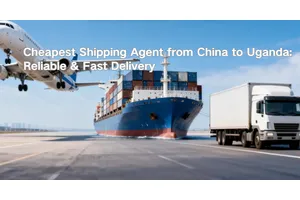
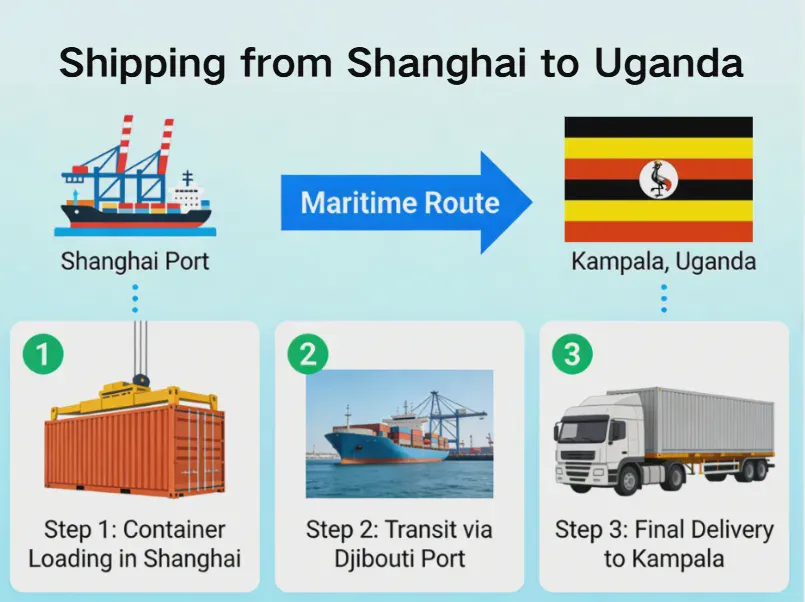
The most efficient way to ship from Shanghai to Uganda is via sea freight to the Port of Mombasa (Kenya), followed by road or rail transport to Kampala. Sea freight takes approximately 35 to 45 days door-to-door, while air freight to Entebbe International Airport (EBB) takes 3 to 7 days. Sea freight costs vary by container size but generally offer the most economical solution for bulk cargo, whereas air freight is reserved for urgent, high-value shipments. To ensure smooth entry, all regulated imports must obtain a Certificate of Conformity (COC) before leaving China.
The Logistics Route: How Does Cargo Reach Kampala?
Because Uganda has no ocean coastline, all sea freight must pass through neighboring countries. This multimodal transport requirement adds a layer of complexity to your supply chain. Understanding your routing options is the first step to optimizing your shipping strategy.
The Northern Corridor: Mombasa Port (Kenya) to Uganda
The Northern Corridor is the most popular and heavily utilized trade route for cargo heading to Uganda. Ships departing from Shanghai arrive at the Port of Mombasa in Kenya. From there, the cargo is unloaded and transported inland over a distance of approximately 1,150 kilometers to Kampala.
Why is this the preferred route? The infrastructure along the Northern Corridor has seen massive improvements in recent years. The implementation of the Standard Gauge Railway (SGR) in Kenya has significantly reduced the time it takes to move containers from the port to the inland container depot in Naivasha, before continuing by road to the Malaba border crossing. This route is generally faster and offers more frequent vessel sailings from Shanghai.
The Central Corridor: Dar es Salaam Port (Tanzania) to Uganda
An alternative route is the Central Corridor, which utilizes the Port of Dar es Salaam in Tanzania. Cargo arriving here must travel roughly 1,600 kilometers to reach Kampala, usually via the Mutukula border.
While this route is longer geographically, some importers choose it to avoid congestion at Mombasa or during times when the Kenyan route experiences political or infrastructural disruptions. However, transit times from Shanghai to Dar es Salaam can be slightly longer, and the inland trucking infrastructure is still developing compared to the Northern Corridor. For most standard commercial shipments, Mombasa remains the primary gateway.
Sea-Rail vs. Sea-Road: Which is Better for Uganda?
Once your cargo lands in East Africa, you must choose how it travels inland. Under the East African Community's Single Customs Territory (SCT) framework, customs declarations for Uganda are done in Mombasa before the cargo moves.
- Sea-Road (Trucking): This is the traditional and most flexible method. Trucks can pick up your container directly from the port and deliver it straight to your warehouse in Kampala. However, road transport is susceptible to traffic delays, border queues (which can stretch to 3-5 days during peak Q4 season), and varying road conditions.
- Sea-Rail (Intermodal): Utilizing the SGR in Kenya can be more cost-effective for heavy cargo and is generally more secure against theft. The train moves the cargo quickly past the congested port areas to the Naivasha Inland Container Depot (ICD). The downside is that you still need a truck for the "last mile" delivery from the rail depot to your final destination. In our experience, we recommend SGR for heavy commodities like steel or tiles to avoid truck weight limit penalties.
Shipping Modes: Air Freight vs. Sea Freight
Choosing between air and Sea Freight from China depends entirely on your budget, cargo volume, and urgency. Here is a detailed breakdown of how each mode functions for the Shanghai to Uganda route.
When to Choose Air Freight to Entebbe (EBB)
Air Freight from China is the premium, high-speed option. Flights departing from Shanghai Pudong International Airport (PVG) will land at Entebbe International Airport (EBB), the primary aviation hub for Uganda.
You should choose Air Shipping From China Uganda when:
- Your cargo is highly time-sensitive (e.g., medical supplies, seasonal fashion, replacement machine parts).
- The total weight of your shipment is under 150-200 kilograms. At this weight, the cost difference between air and sea (LCL) becomes negligible when you factor in destination port fees.
- The goods are high-value and require maximum security and minimal handling.
While air freight costs significantly more per kilogram, the rapid transit time (typically 3 to 7 days) allows for faster inventory turnover and improved cash flow.
Sea Freight (FCL): 20ft and 40ft Containers
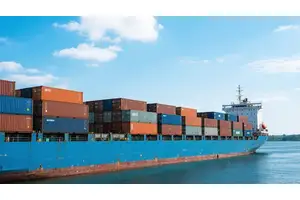
Full Container Load (FCL) is the backbone of international trade. If you are importing large volumes of goods—such as construction materials, furniture, or bulk electronics—FCL Sea shipping From China Uganda is the most economical choice.
- 20ft Container (TEU): Ideal for heavy, dense cargo like tiles, machinery, or steel. It holds about 28 to 30 cubic meters (CBM) of goods.
- 40ft Container (FEU) / 40ft HQ: Best for voluminous, lighter cargo like clothing, plastics, or large consumer goods. It holds roughly 58 to 68 CBM.
With FCL, you rent the entire container. This means your goods are not mixed with other importers' cargo, reducing the risk of damage, loss, and customs delays.
Sea Freight (LCL): Shipping Smaller Volumes (Per CBM)
Less than Container Load (LCL) is designed for importers who do not have enough cargo to fill a standard container. Instead of paying for empty space, you share the container with other shippers and pay only for the volume your goods occupy (calculated in CBM).
LCL is perfect for small to medium-sized businesses testing new products or managing smaller inventory levels. However, LCL shipments require consolidation in Shanghai and de-consolidation in Mombasa or Kampala, which can add a few days to the overall transit time.
How Much Does Shipping from Shanghai to Uganda Cost?
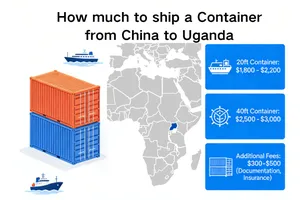
Calculating the exact Shipping Cost from China to Uganda is complex because it involves ocean freight, port handling, inland transit, and border clearance fees. Below is a realistic look at the pricing structure you can expect.
Estimated Sea Freight Rates (Shanghai to Mombasa/Dar es Salaam)
Ocean freight rates fluctuate based on seasonality, fuel prices (BAF), and global supply chain dynamics. The following table provides estimated market averages for port-to-port ocean freight from Shanghai to the primary gateway ports.
| Container Type | Est. Rate to Mombasa (USD) | Est. Rate to Dar es Salaam (USD) | Best For |
|---|---|---|---|
| 20ft FCL | $1,800 - $2,500 | $1,900 - $2,600 | Heavy, dense cargo |
| 40ft / 40HQ FCL | $2,500 - $3,500 | $2,700 - $3,700 | Voluminous cargo |
| LCL (Per CBM) | $80 - $130 | $90 - $140 | Small shipments (< 15 CBM) |
Note: These are estimated ocean freight rates only and do not include inland trucking to Uganda or destination customs fees. Rates are subject to change based on carrier capacity.
The Hidden Costs: Inland Trucking & Transit Bonds
The ocean freight is only part of the equation. Importers often underestimate the cost of moving the cargo from the coastal port to Kampala.
- Inland Trucking Fees: Transporting a container from Mombasa to Kampala can cost anywhere from $1,500 to $2,500, depending on fuel prices and truck availability.
- Transit Bonds: Because your cargo is moving through Kenya (or Tanzania) but is destined for Uganda, it is considered "in transit." You do not pay Kenyan import duties, but a transit bond must be executed by your clearing agent to guarantee the goods will leave the country. Warning: Do not use inexperienced agents; if the bond is not retired properly, you will face severe legal penalties in Kenya.
- Port Storage & Demurrage: Most shipping lines only offer 9 to 14 days of free time for containers heading to Uganda. Delays in clearing your cargo at the port or returning the empty container to Mombasa can result in hefty daily penalties (often $50-$100+ per day). Efficient paperwork is critical to avoiding these fees.
Door-to-Door (DDP) Pricing Structure
For maximum convenience, many importers prefer a Delivered Duty Paid (Door to Door Shipping) service. With DDP, your freight forwarder handles everything—from picking up the goods at the supplier's factory in Shanghai to paying all Ugandan customs duties and delivering the cargo to your warehouse in Kampala. Using Door to Door Shipping From China Uganda simplifies your entire supply chain.
While the upfront quote for DDP appears higher, it provides absolute cost certainty. You are protected against unexpected border delays, fluctuating trucking rates, and complex tax calculations. Our team specializes in providing comprehensive DDP solutions that allow you to focus on your core business rather than logistics headaches.
How Long Does It Take to Ship to Uganda?
Time is money in international trade. Because of the multimodal nature of the journey, transit times require careful planning.
Average Transit Times by Transport Mode
Here is a breakdown of the typical transit times you should expect from Shanghai to Kampala.
| Transport Mode | Route | Est. Transit Time | Key Characteristics |
|---|---|---|---|
| Air Freight | PVG to EBB | 3 - 7 Days | Fastest, premium cost, for urgent goods. |
| Sea Freight (FCL) | Shanghai -> Mombasa -> Kampala | 35 - 45 Days | Most reliable for bulk, requires inland trucking. |
| Sea Freight (LCL) | Shanghai -> Mombasa -> Kampala | 40 - 55 Days | Takes longer due to consolidation/de-consolidation. |
| Sea Freight (FCL) | Shanghai -> Dar es Salaam -> Kampala | 40 - 50 Days | Alternative route, often slightly longer transit. |
Note: The Shipping time from China to Uganda can vary depending on port congestion and border crossing efficiency.
What Causes Delays at the Malaba Border?
The Malaba border crossing between Kenya and Uganda is a notorious bottleneck. Delays here are common and can stem from several issues:
- System Outages: Occasional downtime in the customs electronic clearance systems can halt truck movement.
- Incomplete Documentation: If your commercial invoice, packing list, or PVOC certificate is missing or inaccurate, your cargo will be held until the paperwork is corrected.
- Physical Inspections: Customs officials may select your truck for a random physical verification to ensure the cargo matches the declared manifest.
Partnering with an experienced logistics provider who has dedicated Customs Clearance agents at the border is the most effective way to minimize these delays.
Crucial Customs & Compliance for Uganda (URA & UNBS)
Uganda has strict import regulations enforced by the Uganda Revenue Authority (URA) and the Uganda National Bureau of Standards (UNBS). Non-compliance will result in your cargo being denied entry or facing severe financial penalties.
The Mandatory PVOC (Pre-Export Verification of Conformity)
To protect consumers from substandard goods, Uganda enforces the PVOC program. This means that all regulated products must be inspected and verified before they leave China. You cannot ship the goods and hope to sort out the certification upon arrival. If regulated goods arrive in Uganda without PVOC clearance, they will be subjected to a penalty (often 15% of the CIF value) and mandatory destination inspection, or they may be rejected entirely.
Understanding the COC (Certificate of Conformity) Process in China
The output of a successful PVOC process is the Certificate of Conformity (COC). Here is how you obtain it:
- Submit Documentation: Provide the testing reports, commercial invoice, and packing list to an authorized inspection agency in China. UNBS has currently appointed agencies like SGS, Intertek, and Bureau Veritas for China.
- Physical Inspection: An inspector will visit your supplier's factory or warehouse in Shanghai to verify the quantity, quality, and packaging of the goods.
- Pay the Fee: The PVOC inspection fee is generally 0.5% of the FOB value of the goods (with minimum and maximum thresholds).
- Issuance: Once the goods pass inspection, the COC is issued. This document is mandatory for customs clearance in Uganda.
Expert Tip: Do not wait until your goods are at the Port of Shanghai to apply for PVOC. Initiate the process at least 7-10 days before factory production finishes.
Essential Documents for Uganda Customs Clearance
To ensure a frictionless customs clearance process through the URA, your documentation must be flawless. The essential documents include:
- Commercial Invoice: Must clearly detail the buyer, seller, goods description, value, and Incoterms.
- Packing List: Must match the invoice and detail the weight, volume, and packaging type.
- Bill of Lading (B/L): The official transport contract issued by the ocean carrier.
- Certificate of Origin (COO): Proving the goods were manufactured in China.
- Certificate of Conformity (COC): As required by the UNBS PVOC program.
- Uganda Revenue Authority (URA) Tax Identification Number (TIN): Required for the importer of record.
The Step-by-Step Shipping Process to Kampala
Navigating the journey from a factory in Shanghai to a warehouse in Kampala involves multiple coordinated steps. Here is the standard operational flow:
- Supplier Coordination & Booking: You or your forwarder contacts the Shanghai supplier to confirm cargo readiness. The forwarder books space on an ocean vessel heading to Mombasa.
- PVOC Inspection: Before loading, the authorized agency conducts the physical inspection in China to issue the COC.
- Local Transport & Export Clearance: The cargo is trucked to the Port of Shanghai, where Chinese export customs clearance is completed.
- Ocean Transit: The vessel departs Shanghai and sails across the Indian Ocean, typically taking 25 to 30 days to reach Mombasa.
- Port Arrival & Transit Bond: Upon arrival in Mombasa, the local clearing agent files the transit entry and executes the customs bond, allowing the cargo to leave the port without paying Kenyan duties.
- Inland Transportation: The container is loaded onto a truck or the SGR train for the journey to the Uganda border (usually Malaba).
- Border Clearance: At the border, the URA processes the import declaration via the ASYCUDA World electronic system, verifies the COC, and assesses import duties and taxes (VAT, Import Duty, Withholding Tax, etc.).
- Final Delivery: Once taxes are paid and clearance is granted, the truck proceeds to Kampala for final unloading at your designated facility.
Prohibited and Restricted Items in Uganda
Before you finalize your order in Shanghai, it is crucial to ensure your products are legally allowed into Uganda. The URA and UNBS strictly enforce these lists.
Prohibited Items (Cannot be imported under any circumstances):
- Used tires for light commercial vehicles.
- Certain agricultural chemicals and unregistered pesticides.
- Counterfeit or pirated goods (especially branded electronics and clothing).
- Pornographic materials and obscene literature.
- Hazardous waste and toxic industrial byproducts.
Restricted Items (Require special permits from relevant ministries):
- Pharmaceuticals and Medical Devices: Must be registered with the National Drug Authority (NDA).
- Telecommunication Equipment: Requires approval from the Uganda Communications Commission (UCC).
- Drones and UAVs: Strictly regulated and require clearance from the Ministry of Defense and Civil Aviation Authority.
- Agricultural Seeds and Plants: Require phytosanitary certificates from the Ministry of Agriculture.
Expert Tip: If your goods fall under the restricted category, begin the permit application process in Uganda simultaneously with your factory production in China. Waiting until the goods arrive in Mombasa will guarantee massive storage fees.
Cargo Packaging Guidelines for the East African Route
The journey from Shanghai to Kampala is rigorous. Your cargo will be subjected to ocean humidity, crane handling at multiple depots, and vibrations from inland transport. Standard export packaging is often insufficient.
- Palletization is Mandatory: Ensure all loose cartons are shrink-wrapped and strapped to sturdy, fumigated wooden pallets or plastic pallets. This prevents individual boxes from being crushed during the container stuffing and unstuffing process.
- Moisture Protection: The Indian Ocean transit can cause "container sweat." Use desiccants inside the container and vacuum-seal sensitive goods (like electronics or textiles) to prevent mold and water damage.
- Weight Distribution: If you are shipping heavy machinery alongside lighter goods, ensure the weight is evenly distributed across the container floor to prevent shifting during the train or truck journey.
Why Choose DTFU International Logistics for East Africa?
Shipping to a landlocked country requires more than just booking a vessel; it requires deep regional expertise and a robust network of inland partners. At DTFU International Logistics, we provide end-to-end solutions tailored specifically for the East African market.
Deep Expertise in the Northern Corridor
We have years of hands-on experience managing the Shanghai-to-Mombasa-to-Kampala route. Our team anticipates bottlenecks before they happen, ensuring your cargo bypasses port congestion and moves smoothly along the Northern Corridor. We understand the nuances of the SGR and the realities of cross-border trucking.
Transparent Pricing with Zero Hidden Border Fees
We know that unexpected fees destroy profit margins. That is why our pricing structure is built on absolute transparency. Through our preferential contract rates and optimized inland routing, we provide highly competitive logistics solutions. We deliver clear, comprehensive quotes that account for everything—so you are never surprised by hidden transit bond fees or sudden border surcharges. Our focus is on delivering exceptional value and cost stability for your business.
Dedicated Clearance Agents in Mombasa and Malaba
The most critical points in your supply chain are the port and the border. We utilize dedicated, highly experienced clearing agents stationed directly in Mombasa and at the Malaba crossing. They handle the complex paperwork, manage the transit bonds, and interface directly with customs officials to ensure your cargo clears rapidly and continues its journey to Kampala without unnecessary delays.
FAQs
What happens if my supplier in China does not get the PVOC?
If the goods arrive in Uganda without the mandatory Certificate of Conformity (COC), you will face a destination inspection. The UNBS will charge a penalty fee (usually 15% of the CIF value of the goods). Furthermore, your cargo will be held at customs, incurring storage fees, while the inspection is conducted. In severe cases of non-compliance, the goods may be ordered to be re-exported or destroyed at your expense.
Is it cheaper to buy insurance in China or Uganda?
Most importers purchase Marine Insurance in China (often included under CIF terms). However, for a landlocked country, it is critical to ensure that your insurance policy covers the inland transit leg from Mombasa to Kampala. Standard port-to-port ocean insurance will not cover truck accidents or theft during the cross-border journey. Always request "Door-to-Door" comprehensive coverage.
Can I clear customs myself at the Malaba border?
Technically, an importer can interface with the URA, but practically, it is highly discouraged. The customs clearance process requires accessing the Asycuda World system, executing transit bonds, and navigating complex bureaucratic procedures. You must use a licensed customs clearing agent. Attempting to do it yourself without the proper licenses will result in your cargo being stuck indefinitely.
How does the Chinese New Year affect shipping to Uganda?
The Chinese New Year (CNY), usually falling in late January or February, severely impacts global shipping. Factories shut down for up to three weeks, and shipping space out of Shanghai becomes incredibly scarce. If you need goods in Kampala by March, you must book your sea freight by early December. Rates typically spike by 20-30% in the weeks leading up to CNY due to high demand.
What is the difference between an Inland Container Depot (ICD) and a Seaport?
An ICD (like the one in Naivasha or Kampala) acts as a dry port. Cargo is moved from the coastal seaport (Mombasa) directly to the ICD under customs bond. Customs clearance and tax payments are then handled at the ICD rather than at the congested coastal port. This significantly speeds up the transit process and brings the clearance procedures closer to your final destination.
How much is the customs duty in Uganda for imports from China?
Customs duties in Uganda follow the East African Community (EAC) Common External Tariff (CET). Generally, raw materials and capital goods attract 0% duty, intermediate goods 10%, and finished consumer goods 25% or higher. Additionally, you must pay 18% Value Added Tax (VAT) and a 6% Withholding Tax on most commercial imports.
Can I ship a car from Shanghai to Uganda?
Yes, you can ship vehicles from China to Uganda, typically using Roll-on/Roll-off (RoRo) vessels to Mombasa, followed by specialized car carriers to Kampala. However, Uganda has strict age limits on imported used vehicles (generally not older than 15 years from the date of manufacture), and they are subject to an environmental levy.
Do I need insurance for shipping to Uganda?
Absolutely. Given the long ocean transit and the extensive overland trucking journey, your cargo is exposed to various risks, including rough seas, port handling damage, and road accidents. Comprehensive marine and inland transit insurance is highly recommended to protect your investment.
What is the cheapest way to ship to Kampala?
For large volumes, a 40ft High Cube FCL container offers the best economy of scale, reducing your cost per unit. For smaller shipments (under 15 CBM), Sea Freight LCL is the most cost-effective method. Consolidating your shipments and planning ahead to avoid express inland trucking fees will also keep your costs down.
How do I track my cargo once it leaves the Kenyan port?
While ocean tracking is straightforward via the carrier's website, inland tracking requires a capable forwarder. At DTFU, we provide continuous updates through our local trucking partners, ensuring you have visibility over your cargo tracking as it moves from Mombasa, through the border checkpoints, and all the way to your door in Kampala.