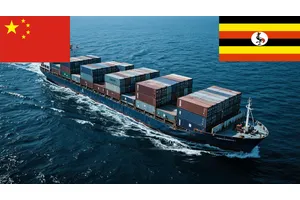
Are you searching for the cheapest shipping agent from China to Uganda to optimize your logistics and cut down on costs? Understanding the complexities of international shipping, including freight forwarding services, pricing structures, and the best shipping methods, can make a significant difference. In this comprehensive guide, we’ll explore key factors influencing shipping expenses, compare available transport options, and reveal expert tips for finding the most affordable and reliable shipping agents for China-Uganda trade.

Introduction to Shipping from China to Uganda
Shipping goods from China to Uganda has become increasingly vital due to the steady growth in trade between the two countries. As Africa’s economy expands and demand for Chinese products rises, reliable and cost-effective logistics solutions are essential for businesses of all sizes. Whether you are an importer, exporter, or cross-border e-commerce seller, understanding the shipping process, costs, and best practices is crucial to optimize your supply chain and ensure timely delivery.
As a logistics analyst with over a decade of experience, I have observed significant trends shaping the China-Uganda freight corridor. The route is primarily served by a combination of sea freight, air freight, and overland transport, each with unique characteristics, transit times, and cost implications.
Overview of Freight Forwarding Services Between China and Uganda
A freight forwarder acts as an intermediary that arranges the movement of goods between shippers in China and consignees in Uganda. The logistics chain typically involves multiple stages:
- Export Processing: Includes cargo consolidation, packaging, and export documentation in China.
- International Transport: Shipping via sea, air, or rail from China to a major African port (often Mombasa, Kenya or Dar es Salaam, Tanzania), then onward overland to Uganda.
- Customs Clearance: Managing customs declarations, duties, and compliance both in China and Uganda.
- Final Delivery: Arranging last-mile delivery from the border or port to the final destination in Uganda.
At DTFU International Logistics Co.,Ltd, we understand that every shipment represents a business commitment. That's why we’ve built a comprehensive service network covering sea freight, air freight, road freight, Amazon FBA, warehousing, cargo insurance, one-stop customs clearance, door-to-door delivery, OOG freight, and consolidated freight. Our goal is to simplify this complex process, using our expertise and strong network to ensure your shipments are handled efficiently, securely, and at competitive rates.
Related Reading: If you are shipping to neighboring markets, consider Sea Shipping from China to Kenya for insights on routes through Mombasa.
Why Choose a Shipping Agent for China-Uganda Trade?
Choosing a professional shipping agent is essential for several reasons:
- Expertise in Route Optimization: Experienced partners like DTFU act as your logistics architects, analyzing various shipping routes and modes to provide the most time- and cost-effective options, considering factors such as port congestion, political stability, and infrastructure quality.
- End-to-End Service: Managing everything from supplier pick-up in China to customs clearance in Uganda, ensuring seamless logistics and minimizing the risk of delays.
- Regulatory Compliance: Experienced agents keep up-to-date with international trade regulations, Ugandan customs requirements, and changes in import policies, reducing compliance risks.
- Risk Management: Through cargo insurance and proactive handling, they help mitigate losses from damage, theft, or unforeseen events.
- Cost Control: By consolidating shipments, negotiating rates, and leveraging established relationships with carriers, agents help clients achieve the cheapest shipping solutions.
With trade dynamics constantly evolving, partnering with a trustworthy and resourceful shipping agent is vital for any business aiming to succeed in the China-Uganda logistics corridor.
Key Factors Affecting Shipping Costs from China to Uganda
Shipping costs between China and Uganda are influenced by several critical factors. Understanding these can help businesses budget accurately and make informed decisions.
Major Cost Components in International Shipping
The primary cost elements include:
| Cost Component | Description |
|---|---|
| Freight Charges | Cost paid to carriers for transporting goods (sea, air, rail); varies by shipping mode. |
| Port Charges | Charges for handling, storage, and processing at origin and destination ports. |
| Customs Duties & Taxes | Duties levied by Ugandan authorities, based on HS code, value, and type of goods. |
| Insurance | Optional but advisable to protect against loss or damage during transit. |
| Documentation Fees | Charges for export/import documents, bills of lading, certificates, etc. |
| Inland Transportation | Costs for moving cargo from Chinese suppliers to ports and from African ports to Uganda. |
| Warehousing | Storage costs in transit or at destination, especially for consolidated shipments. |
| Handling Fees | Includes loading/unloading, consolidation/deconsolidation services. |
Example of Shipping Cost Breakdown (20' Container, February 2026 Estimate):
| Route | Ocean Freight | Port Handling | Customs & Duties | Inland Transport | Total Cost (USD) |
|---|---|---|---|---|---|
| Shanghai–Mombasa–Kampala | $2,100 | $300 | $1,200 | $750 | $4,350 |
| Shenzhen–Dar es Salaam–Kampala | $1,900 | $320 | $1,150 | $900 | $4,270 |
Note: Costs are indicative and vary based on cargo type, season, and service provider. For a precise calculation based on your specific cargo volume, our team at DTFU is always ready to provide a detailed, no-obligation estimate.
How Shipping Routes and Modes Impact Pricing
The selection of shipping mode and route greatly affects both cost and transit time:
1. Sea Freight (most common & cost-effective for bulk cargo)
- Containers are shipped from major Chinese ports (Shanghai, Ningbo, Shenzhen) to East African ports (Mombasa, Dar es Salaam).
- Final leg to Uganda is typically by truck or rail.
- Suitable for large volume shipments, with lower per-unit cost but longer transit times (30–45 days door-to-door).
Further Reading: For those shipping via Mombasa, see 20ft & 40ft Container Shipping Cost from China to Kenya for price trends and route optimization in East Africa.
2. Air Freight (fastest, but higher cost)
- Direct flights from Chinese cities (Guangzhou, Shanghai) to Entebbe International Airport in Uganda.
- Ideal for urgent, high-value, or perishable goods.
- Transit time: 3–7 days; costs can be 5–7 times higher than sea freight.
3. Multimodal / Rail & Road
- Newer logistics corridors combine rail (e.g., China to Mombasa or Dar es Salaam) and trucking to Uganda.
- May offer a balance between cost and speed, depending on infrastructure and service availability.
Typical Transit Times & Costs Overview (February 2026):
| Shipping Mode | Avg. Transit Time | Cost (per CBM) | Key Advantages | Key Limitations |
|---|---|---|---|---|
| Sea Freight | 30–45 days | $90–$140 | Cheapest for large cargo | Slower, possible port delays |
| Air Freight | 3–7 days | $550–$850 | Fastest delivery | Expensive, limited volume |
| Rail + Road Freight | 20–30 days | $180–$280 | Balanced speed & cost | Limited routes, variable cost |
Route choice is influenced by:
- Shipping urgency
- Cargo type and size (containerized, bulk, project cargo)
- Budget constraints
- Reliability and security considerations
Navigating these options can be complex. At DTFU International Logistics, we pride ourselves on helping clients weigh these trade-offs, recommending the route that best aligns with your timeline and budget—not just the most expensive one.
All information presented here is based on current market data, regulatory updates, and over ten years of experience in international logistics. For a personalized shipping solution or the latest updates on customs policies and shipping rates, feel free to consult with our specialists at DTFU International Logistics Co.,Ltd.
Comparing Shipping Methods: Sea Freight, Air Freight, and Rail
When shipping goods from China to Uganda, understanding the main freight options—Sea Freight, Air Freight, and Rail Freight—is essential for choosing the most cost-effective and reliable solution. Each mode has unique advantages, limitations, and pricing structures. Below, I will provide a professional comparison, integrating the latest market data and my experience as a logistics analyst.
Sea Freight Options and Pricing for China to Uganda
Sea Freight remains the most popular and economical shipping mode for bulky or non-urgent cargo between China and Uganda. The main route typically involves shipping from major ports in China (like Shanghai, Shenzhen, Ningbo) to the port of Mombasa in Kenya, followed by overland transport to Uganda (mainly to Kampala). As a landlocked country, Uganda depends on efficient multimodal connections.
Key Sea Freight Features:
- Container Types: 20FT (28CBM), 40FT (56CBM), 40HQ (68CBM), 45HQ (78CBM)
- Transit Time: 35-45 days (door to door, including transshipment and inland delivery)
- Best for: Large volumes, heavy goods, or cost-sensitive shipments
Example Pricing Table (February 2026 Estimates)
| Origin Port (China) | Destination (Kampala, via Mombasa) | 20FT Container | 40FT HQ Container | LCL (per CBM) | Transit Time |
|---|---|---|---|---|---|
| Shanghai | Uganda | $3,000–$3,500 | $4,400–$5,000 | $180–$230 | 35–45 days |
| Shenzhen | Uganda | $2,900–$3,400 | $4,300–$4,900 | $170–$220 | 36–48 days |
| Ningbo | Uganda | $3,000–$3,600 | $4,500–$5,100 | $180–$240 | 35–47 days |
Prices are indicative, excluding customs duties and local charges. Market rates fluctuate frequently. For the most current pricing tailored to your shipment, feel free to reach out to the DTFU team for a real-time consultation.
Advantages:
- Lowest cost per unit, especially for full container loads (FCL)
- Suitable for consolidated shipments (LCL)
- Possibility of OOG (Out-of-Gauge), Breakbulk solutions for oversized cargo
Limitations:
- Longer lead time
- Greater exposure to congestion and port delays, especially at Mombasa Port
- Requires reliable inland trucking from Mombasa to Kampala
Expand Your Knowledge: Learn about Sea shipping From China Uganda, including typical transit times, documentation, and common challenges for sea freight to East Africa.
Air Freight Services: Fastest But Costlier Alternatives
Air Freight is ideal for urgent, high-value, or time-sensitive shipments. Main flight routes operate from major airports in China (such as Guangzhou Baiyun, Shanghai Pudong, Beijing Capital) to Entebbe International Airport in Uganda, often with a transfer in Nairobi or Addis Ababa.
Key Air Freight Features:
- Transit Time: 3–7 days (airport to airport); add 2–4 days for door-to-door delivery
- Best for: Electronics, samples, pharmaceuticals, e-commerce parcels, perishables
Example Air Freight Rates (February 2026 Estimates)
| Origin Airport (China) | Destination (Entebbe, Uganda) | Standard Rate (per kg) | Minimum Chargeable Weight | Estimated Transit Time |
|---|---|---|---|---|
| Guangzhou | Entebbe | $5.20 – $6.80 | 45 kg | 3–6 days |
| Shanghai | Entebbe | $5.80 – $7.50 | 45 kg | 3–7 days |
| Beijing | Entebbe | $5.50 – $7.00 | 45 kg | 3–7 days |
Advantages:
- Fastest delivery option
- Reliable schedules and frequent departures
- Lower risk of damage for delicate goods
Limitations:
- Significantly higher costs compared to sea or rail
- Strict limitations on dangerous goods and shipment size
- Not suitable for heavy or bulky cargo due to high per-kg rates
Rail Freight Potential and Limitations
While Rail Freight is growing in prominence for China–Africa trade, its application to Uganda remains limited due to infrastructural factors. At present, there is no direct rail connection from China to Uganda; instead, rail is used as part of a multimodal solution through Mombasa or Dar es Salaam.
How It Works:
- Goods are moved by rail from Mombasa or Dar es Salaam to regional hubs (e.g., Kampala)
- Last-mile delivery is completed by truck
Advantages:
- More environmentally friendly than trucking alone
- Potential for cost savings on heavy, containerized cargo during fuel price surges
- Reliable for project cargo if coordinated with sea transport
Limitations:
- No direct China-Uganda rail service; requires complex multimodal logistics
- Limited schedule frequency and infrastructure challenges in East Africa
- Susceptible to delays due to customs clearance and transshipment
Conclusion: For most importers and exporters, Sea Freight offers the lowest cost per unit, making it the preferred route for bulk shipments. Air Freight delivers speed for time-sensitive cargo, while Rail Freight adds value as part of multimodal logistics but is still developing as a standalone solution for the China-Uganda corridor.
How to Find the Cheapest Shipping Agent from China to Uganda
Choosing the cheapest shipping agent from China to Uganda involves comprehensive assessment, not simply picking the lowest quote. Quality, reliability, compliance, and hidden charges all play a significant role in true cost-effectiveness.
Tips for Comparing Freight Forwarder Quotes
- Request Detailed, Itemized Quotes: Always ask for a breakdown: base freight cost, fuel surcharges, documentation fees, port charges, customs clearance, delivery fees, cargo insurance, etc. This avoids surprises later.
- Check Service Inclusions: Does the quote cover door-to-door, customs clearance, insurance, and last-mile delivery? For example, at DTFU, we prioritize transparency by including all potential costs upfront, ensuring you aren't hit with surprise fees later.
- Compare Transit Times: A lower price may mean a longer route or more transshipments, increasing the risk of delays. Request estimated transit time and route details.
- Verify Network and Local Partnerships: Reliable agents have trusted local partners in Uganda for customs clearance, warehousing, and last-mile delivery.
- Assess Track Record and Customer Reviews: Look for testimonials, references, or case studies. We at DTFU cherish our long-standing client relationships and are happy to share references that speak to our consistent, affordable China-Uganda logistics.
- Check for Value-Added Services: Services such as cargo consolidation, online tracking, warehousing, and packaging can save total costs.
Sample Comparison Table
| Agent | FCL 20FT (Shanghai-Kampala) | Door to Door? | Customs Clearance Included? | Insurance | Transit Time | Customer Rating |
|---|---|---|---|---|---|---|
| DTFU International Logistics Co.,Ltd | $3,100 | Yes | Yes | Yes | 38 days | 4.9/5 ★ |
| Agent B | $3,050 | No | No | Extra | 44 days | 4.0/5 ★ |
| Agent C | $3,150 | Yes | Yes | No | 41 days | 4.2/5 ★ |
Red Flags to Avoid When Choosing a Shipping Agent
- Unusually Low Quotes: If a quote seems too good to be true, it may exclude critical services or hide charges that surface after delivery.
- Lack of Proper Documentation: Reliable agents provide all shipping, insurance, and customs documents upfront. Insist on transparent paperwork.
- Poor Communication: Agents who are slow to respond or provide vague answers can cause delays and miscommunication in critical shipments.
- No Physical Presence or Local Representation: Agents should have a registered office in China and a trusted partner or branch in Uganda.
- Limited Service Range: Avoid agents who cannot provide end-to-end solutions. Partnering with a full-service provider—like our team at DTFU—can significantly mitigate these risks by handling the entire chain from origin to destination.
- Negative Reviews or Lack of References: Check independent platforms or ask for recent customer feedback. Consistent issues with shipments or billing are warning signs.
- No Cargo Insurance Options: Shipping without insurance exposes you to unnecessary risk. Reputable agents always offer cargo insurance.
Top-Rated Affordable Shipping Agents for China-Uganda Logistics
Recommended Agents with Competitive Rates
For importers and exporters seeking the cheapest shipping agent from China to Uganda, it is vital to partner with experienced, trustworthy, and cost-efficient logistics providers. Many freight forwarders operate between China and Uganda, but few can deliver both competitive pricing and high service standards. Below is a curated list of recommended agents based on recent market analysis, client feedback, and service portfolio:
| Shipping Agent Name | Key Services Offered | Strengths | Estimated Sea Freight (20GP, Shanghai to Mombasa)* | Estimated Air Freight (1 CBM, Shanghai to Entebbe)* | Notable Clients/Industries |
|---|---|---|---|---|---|
| DTFU International Logistics Co.,Ltd | Sea Freight, Air Freight, Road Freight, Amazon FBA, Warehouse, Cargo Insurance, Customs Clearance, Door to Door, OOG Freight, Consolidated Freight, Breakbulk Freight | One-stop service, experienced team, cost-effective, high customer satisfaction | $1,250 - $1,450 | $6.80 - $8.50/kg | E-commerce, Manufacturing, SMEs |
| SF Express International Freight | Air Freight, Door to Door, Warehousing | Fast delivery, robust network | $1,500 - $1,800 | $8.00 - $10.50/kg | Electronics, Apparel |
| Sinotrans Global Logistics | Sea Freight, Air Freight, Customs Clearance | Government contracts, large project logistics | $1,300 - $1,600 | $9.20 - $11.50/kg | Industrial, Infrastructure |
| African Express Logistics | Road Freight, Sea Freight, Warehousing, Customs Support | Local connections, strong in East Africa | $1,450 - $1,700 | $8.50 - $10.00/kg | Agricultural, FMCG |
*Rates quoted are indicative as of February 2026 and may vary by season, cargo type, and current global events.
As a dedicated player in the China-Uganda logistics sector, DTFU International Logistics Co.,Ltd is committed to being more than just a service provider; we aim to be a strategic partner. Our integrated services cover every step from pick-up in China to delivery in Uganda, ensuring transparency and robust support throughout the shipping journey.
Case Studies: Successful Low-Cost Shipments from China to Uganda
1. Sea Freight Consolidation for SME Electronics Importer
A Ugandan electronics importer needed to ship multiple small batches from various suppliers in Shenzhen and Guangzhou. By collaborating with DTFU International Logistics Co.,Ltd for consolidation services, the customer combined cargo into a single 40HQ container (capacity: 68CBM), reducing costs by over 25% compared to LCL (Less-than-Container Load) shipments. The goods arrived at Mombasa Port, then were efficiently trucked to Kampala, with door-to-door delivery completed in just 28 days.
Key Outcomes:
- Reduced per-unit freight costs by 28%
- Streamlined customs clearance with professional documentation
- End-to-end tracking and cargo insurance for full peace of mind
2. Time-Critical Air Freight for Pharmaceutical Supplies
During the COVID-19 pandemic, a Ugandan medical distributor needed urgent delivery of PPE from Shanghai to Entebbe International Airport. DTFU International Logistics Co.,Ltd arranged consolidated air freight at $7.20/kg, securing late booking on a direct flight and fast-tracking customs clearance.
Key Outcomes:
- Door-to-door transit time: 5 days
- Complete customs and compliance support
- Maintained cold chain requirements and product integrity
3. Door-to-Door Service for Large Machinery
A manufacturer in Jinhua, China, exported 28CBM (20FT container) of agri-machinery to Uganda. Utilizing DTFU’s one-stop customs clearance and cargo insurance, the client enjoyed transparent cost breakdowns, minimized risk, and a single point of contact from origin to destination.
How to Reduce Shipping Costs: Expert Tips for Importers and Exporters
Consolidation, Packaging, and Documentation Strategies
Cost optimization in China-Uganda shipping depends on several key strategies:
-
Cargo Consolidation: Combining shipments from multiple suppliers into one container (FCL—Full Container Load) dramatically lowers per-unit costs and minimizes handling risks. For smaller shipments, partner with a reputable consolidation expert, such as DTFU International Logistics Co.,Ltd, to maximize space and savings.
-
Optimal Packaging:
- Use high-quality, space-efficient packaging to maximize container utilization (e.g., a 20FT container offers 28CBM, 40HQ—68CBM).
- Avoid over-packaging, which adds unnecessary weight and dimensions.
- Ensure pallets and crates comply with both Chinese export and Ugandan import regulations.
-
Accurate Documentation:
- Prepare commercial invoices, packing lists, and certificates of origin meticulously.
- Work with agents offering clear guidance on customs documentation to avoid delays or unexpected duties.
- Engage in pre-shipment inspection when required, especially for restricted or high-value goods.
-
Cargo Insurance:
- Always opt for comprehensive cargo insurance to manage risk throughout the supply chain.
- For more details on insurance expenses, see Shipping container insurance cost for shipments from China.
Negotiating Better Rates with Freight Forwarders
Achieving the lowest shipping rates from China to Uganda involves proactive negotiation and leveraging market knowledge:
- Obtain Multiple Quotes: Solicit quotations from at least 3-5 reputable agents, ensuring all surcharges and destination fees are included for apples-to-apples comparisons.
- Build Long-term Relationships: Building a long-term relationship with your forwarder often unlocks better value. At DTFU International Logistics Co.,Ltd, we reward loyalty with priority support, customized pricing structures, and tailored solutions.
- Leverage Volume: Pool shipments or cooperate with other importers to qualify for lower bulk rates, especially for FCL shipments.
- Stay Informed of Seasonal Trends: Avoid peak season surcharges (e.g., before Chinese New Year or Black Friday) when possible by planning shipments in advance.
- Negotiate Service Bundles: Request all-in-one pricing that covers warehousing, customs clearance, and inland transportation for greater transparency and cost efficiency.
Pro Tip: Transparent communication and clear contract terms are essential. Always confirm which services are included in quoted rates and request a detailed breakdown to avoid hidden costs.
This analysis is tailored to importers, exporters, and logistics professionals seeking actionable strategies and reliable partners for shipping between China and Uganda. As global shipping dynamics evolve, partnering with a forwarder who genuinely understands your business needs—like DTFU International Logistics—can ensure you remain competitive and compliant in today’s market.
Customs, Duties, and Regulations for Shipping to Uganda
When shipping goods from China to Uganda, understanding the local customs, duties, and regulatory framework is crucial for smooth logistics and cost management. As an international freight forwarding expert with over 10 years’ experience, I will provide you with up-to-date, actionable insights based on current Ugandan import regulations, compliance requirements, and best practices to ensure your shipments clear customs efficiently.
Essential Documentation and Compliance Requirements
Proper documentation is the backbone of any successful international shipment, especially when targeting the Ugandan market. Incomplete or incorrect paperwork can result in significant delays, fines, or even the confiscation of goods.
Key Shipping Documents Required:
| Document Name | Description | Issued By | Mandatory? |
|---|---|---|---|
| Bill of Lading (B/L) | Proof of shipment & receipt of goods. Used for sea, rail, or road freight. | Shipping Line / Freight Forwarder | Yes |
| Air Waybill (AWB) | Equivalent document for air freight shipments. | Airline / Freight Forwarder | Yes |
| Commercial Invoice | Lists product description, value, buyer & seller info. Essential for customs valuation. | Exporter | Yes |
| Packing List | Details quantity, type, and packaging specifics for all items in the shipment. | Exporter | Yes |
| Certificate of Origin (COO) | Certifies country of manufacture, sometimes required for duty reductions or trade agreements. | Chamber of Commerce | Sometimes |
| Import Declaration Form (IDF) | Mandatory for all imports to Uganda. Must be completed online at Uganda National Single Window. | Importer / Customs Agent | Yes |
| Tax Identification Number (TIN) | Importer’s registered number for customs declaration. | Importer | Yes |
| Insurance Certificate | Shows that your cargo is insured (recommended for high-value goods). | Insurance Provider | Optional |
| Product-specific Permits | E.g., phytosanitary, sanitary, or quality inspection certificates for regulated products. | Relevant Ugandan Authorities | Conditional |
Uganda Revenue Authority (URA) and the Uganda National Bureau of Standards (UNBS) have strict compliance standards. All imports are subject to inspection and may require a Pre-Export Verification of Conformity (PVoC) certificate, especially for regulated products (electronics, food, chemicals, etc.).
Tips for Documentation:
- Work closely with a knowledgeable freight forwarder. For instance, our team at DTFU International Logistics Co.,Ltd reviews every document to ensure accuracy before submission, helping you avoid costly delays.
- Always double-check product HS Codes for correct customs classification.
- Make sure all invoices and documents match the actual goods and packing list.
Navigating Ugandan Customs: Tips for Smooth Clearance
Ugandan customs procedures have seen improvements in recent years, with customs clearance time for compliant shipments often as short as 2-5 working days. However, delays are still common for shipments lacking proper documentation or for goods requiring additional inspections.
Customs Clearance Process in Uganda:
-
Submission of Import Declaration Form (IDF):
- Must be lodged electronically before arrival of cargo.
- All supporting documents are uploaded via the Uganda Electronic Single Window (UESW) platform.
-
Arrival and Inspection at Entry Port:
- Goods arrive at Mombasa (Kenya) or Dar es Salaam (Tanzania) ports, then transit to Uganda by road or rail.
- Physical inspection may be conducted at border posts like Malaba or Busia.
-
Import Duty Assessment:
- Customs calculates duties based on HS code, invoice value, and applicable taxes.
-
Payment of Duties and Taxes:
- Uganda imposes import duty, VAT (18%), infrastructure levy (1.5%), and sometimes excise duties.
- Payment must be made before cargo release.
-
Release and Delivery:
- Once cleared, goods are released for final delivery to the consignee.
Typical Import Duties & Taxes Table (For Reference):
| Tax/Duty Type | Standard Rate for Most Goods |
|---|---|
| Import Duty | 0%–25% (By product category) |
| Value Added Tax (VAT) | 18% |
| Withholding Tax | 6% |
| Infrastructure Levy | 1.5% |
Note: The above rates are indicative. Always verify latest rates with the Uganda Revenue Authority or your logistics provider.
Pro Tips for Faster, Trouble-Free Clearance:
- Pre-register with URA as an importer and secure your TIN in advance.
- Use a reputable freight forwarder with experience in China-Uganda shipments to handle all formalities.
- Ensure goods subject to PVoC are tested and certified before shipping.
- Avoid misdeclaration or under-invoicing—Ugandan customs enforces strict penalties.
- Arrange for cargo insurance for high-value or sensitive shipments.
- Stay informed on the latest customs updates via URA and UNBS websites.
Common Pitfalls to Avoid:
- Failing to obtain mandatory permits (e.g., for pharmaceuticals, electronics, chemicals).
- Incorrect HS code classification.
- Incomplete or inconsistent documentation.
- Attempting to clear goods without a valid TIN or IDF.
To navigate these hurdles, DTFU International Logistics Co.,Ltd offers dedicated customs support, ensuring your compliance and peace of mind.
FAQs
Q1: How long does customs clearance take in Uganda? A1: If all documents are accurate and duties are paid, clearance at major entry points (like Malaba, Busia) usually takes 2-5 working days. Delays may occur due to inspections or special permits.
Q2: What are the most common documents required for shipping to Uganda? A2: Essential documents include the Bill of Lading, Commercial Invoice, Packing List, Import Declaration Form (IDF), and, for some products, PVoC certificates and specific import permits.
Q3: Are there restricted or prohibited items for import into Uganda? A3: Yes. Items such as ********s, counterfeit goods, certain chemicals, and expired products are strictly prohibited. Always check URA’s latest restricted items list or consult your freight forwarder.
Q4: How are shipping costs and duties calculated? A4: Shipping costs depend on mode (sea, air, rail), cargo size, and route. Duties are assessed based on the Customs Value (invoice value + freight + insurance) and HS code. Use the URA duty calculator for estimates or consult DTFU International Logistics Co.,Ltd for tailored quotes.
Conclusion: Ensuring that your goods comply with Ugandan customs regulations is central to a successful shipping experience. With the right guidance, these challenges become manageable. At DTFU International Logistics Co.,Ltd, we are dedicated to sharing our expertise to help you navigate regulatory requirements and optimize costs. We invite you to contact us for a friendly, professional consultation on your next shipment.