Are you looking to navigate the complexities of shipping from Shanghai to Algeria? Wondering how to select the best freight options, manage customs clearance, or reduce costs for your business? In this comprehensive guide, we’ll explore the key steps, methods, costs, and expert tips for successful international shipping between Shanghai and Algeria. Empower your logistics strategy with detailed insights and practical advice tailored for efficient cross-border trade.

Overview of Shipping from Shanghai to Algeria
Over the past decade, trade between China and Algeria has expanded significantly. China is now Algeria’s largest trade partner, accounting for over 18% of Algeria’s total imports in 2025, according to the General Administration of Customs of P.R. China. The Belt and Road Initiative and strategic infrastructure projects have further deepened this cooperation. The volume of goods shipped from Shanghai—as one of China’s primary export hubs—to Algeria continues to rise due to increasing demand for machinery, electronics, vehicles, and consumer goods. Exporters and importers from both nations benefit from streamlined shipping services, efficient customs processes, and improved logistics connectivity.
Related reading: If you are interested in regional logistics, you may also want to check out Shipping from Shanghai to Egypt, which covers similar North African shipping routes.
Key Industries and Goods Commonly Shipped
The shipping flow between Shanghai and Algeria supports a diverse range of industries. Key sectors and goods include:
- Machinery and Industrial Equipment: Construction machinery, mining equipment, and manufacturing tools are in high demand for Algeria’s growing infrastructure projects.
- Automotive Parts and Vehicles: Chinese-made vehicles and auto components are widely shipped to Algeria to meet the needs of its expanding automotive sector.
- Consumer Electronics: Smartphones, televisions, and home appliances are among the fastest-growing product categories thanks to competitive pricing and quality.
- Textiles and Garments: Apparel and raw fabrics form a significant portion of shipments, supporting Algeria’s textile industry.
- Chemical Products: Including plastics, fertilizers, and industrial chemicals, driven by Algeria’s manufacturing and agricultural needs.
- Construction Materials: Steel, tiles, glass, and ceramics are frequently shipped to support Algeria’s booming construction sector.
This broad product range highlights the robust supply chain ties and the necessity for reliable, cost-effective logistics services.
Main Ports in Shanghai and Algeria
The primary shipping channel from Shanghai to Algeria involves major seaports on both sides:
-
Shanghai Port As the world’s busiest container port, Shanghai Port handles over 47 million TEUs annually (2025 data). Its advanced infrastructure, high capacity for FCL (Full Container Load) and LCL (Less than Container Load), and global connectivity make it the preferred departure point for goods bound for North Africa.
-
Algerian Ports:
- Port of Algiers: The main entry point for containerized cargo, known for its proximity to the capital and efficient handling of general cargo.
- Port of Oran: Serves the western region of Algeria, facilitating imports for the industrial and agricultural heartland.
- Port of Bejaia: A modern port favored for oil, bulk cargo, and container shipments.
| Port Name | Country | Function/Features | Typical Cargo Types |
|---|---|---|---|
| Shanghai Port | China | Largest container port, advanced logistics facilities | All cargo types |
| Port of Algiers | Algeria | Major container and general cargo port | FCL/LCL, electronics, machinery |
| Port of Oran | Algeria | Western Algeria, serves industrial/agricultural zones | Auto parts, chemicals, textiles |
| Port of Bejaia | Algeria | Bulk and container cargo, oil exports | Bulk goods, chemicals, containers |
Understanding the strengths and specializations of each port ensures optimal route planning and efficient cargo delivery.
Shipping Methods from Shanghai to Algeria
Sea Freight from Shanghai to Algeria
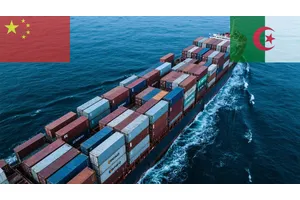
Sea freight remains the most common and cost-effective method for shipping from Shanghai to Algeria. It is ideal for large shipments and bulk goods. Major carriers operate regular sailings from Shanghai Port to Algerian ports such as Algiers, Oran, and Bejaia. Typical transit times range from 25 to 35 days, depending on the shipping line, route, and transshipment ports.
For a deeper dive into sea freight on this route, see our guide on Sea Shipping from China to Algeria.
Common container types and their capacities:
- 20FT Container: 28 CBM (cubic meters)
- 40FT Container: 56 CBM
- 40HQ Container: 68 CBM
- 45HQ Container: 78 CBM
Cost structures are influenced by seasonal demand, fuel surcharges, and global freight market conditions. In early 2026, rates have shown relative stability compared to the volatility during 2024–2025.
| Container Size | Estimated Transit Time | Typical Uses |
|---|---|---|
| 20FT | 25–35 days | General cargo, machinery |
| 40FT | 25–35 days | Bulk, large shipments |
| 40HQ | 25–35 days | High-volume/low-weight goods |
| 45HQ | 25–35 days | Oversized or high-cube cargo |
At DTFU International Logistics Co.,Ltd, we offer FCL, LCL, and specialized project cargo solutions, ensuring reliable schedules and competitive rates.
Air Freight from Shanghai to Algeria
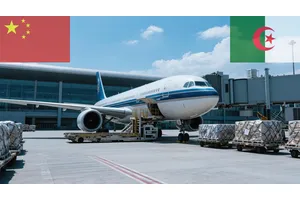
Air freight is the preferred option for urgent, high-value, or perishable cargo. Shipments depart from Shanghai Pudong International Airport (PVG) to Houari Boumediene Airport (ALG) in Algiers, typically involving 1–2 transits through major hubs such as Dubai or Istanbul.
For details on air service between the two countries, you can refer to Air shipping from China to Algeria.
- Transit Times: 3 to 7 days (door-to-door)
- Cargo Types: Electronics, pharmaceuticals, fashion samples, critical parts
- Advantages: Speed, security, and reliability, especially for time-sensitive consignments
While air freight rates are considerably higher than sea freight, they offer unparalleled transit speed and flexible scheduling.
| Shipping Mode | Estimated Transit Time | Cost (per kg)* | Ideal For |
|---|---|---|---|
| Air Freight | 3–7 days | $2.8–$6.3 | Time-critical, high-value goods |
*Rates vary based on shipment size, weight, and season. For a precise quote, consult DTFU International Logistics Co.,Ltd.
Comparing Ocean, Air, and Rail Freight Options
When planning shipping from Shanghai to Algeria, choosing the right mode is crucial for balancing cost, speed, and reliability. While direct rail freight is not currently a mainstream solution between China and Algeria due to lack of direct land connectivity, multimodal (sea-rail, sea-road) solutions can optimize costs and transit times for specific routes, especially via transshipment in Mediterranean hubs.
| Method | Transit Time | Cost | Capacity | Typical Cargo | Strengths |
|---|---|---|---|---|---|
| Sea Freight | 25–35 days | $$ | High (20FT/40FT/40HQ/45HQ) | Bulk, general, industrial goods | Cost-effective, large volumes |
| Air Freight | 3–7 days | $$$$$ | Low–Medium | High-value, urgent items | Fast, secure, reliable |
| Multimodal | 20–30 days | $$$ | Variable | Specialized cargo, transshipments | Flexible, tailored for certain needs |
Key Takeaway:
- Sea freight is best for cost-sensitive, non-urgent, and bulk cargo.
- Air freight suits urgent, high-value shipments.
- Multimodal solutions offer flexibility for unique logistics requirements.
For tailored logistics solutions, accurate quotes, or expert advice, please contact Ivan Chan, Senior Logistics Analyst at DTFU International Logistics Co.,Ltd. Our team is ready to support your global trade ambitions.
Step-by-Step Shipping Process
Booking Your Shipment: What You Need to Know
When shipping from Shanghai to Algeria, booking your shipment is the first and one of the most critical steps. To ensure a seamless process, start by defining your shipment’s specifications:
- Cargo Type & Volume: Identify whether you are shipping general goods, machinery, electronics, or specialized cargo. Calculate the total weight and dimensions. Common container sizes include 20FT (28CBM), 40FT (56CBM), 40HQ (68CBM), and 45HQ (78CBM).
- Shipping Method: Choose between Sea Freight (most cost-effective for large volumes), Air Freight (fastest for urgent or high-value goods), or a multimodal solution.
- Departure and Arrival Ports: Major ports in Shanghai include Shanghai Port (CNSHA). In Algeria, key ports are Port of Algiers, Port of Oran, and Port of Annaba.
- Transit Time Requirements: Decide your delivery deadline to select the optimal shipping method.
- Freight Forwarder Selection: Work with a reliable partner. DTFU International Logistics Co.,Ltd provides tailored solutions, competitive rates, and end-to-end support for exports from China to Algeria.
You may also like: Learn more about Door to Door Shipping from China to Algeria for streamlined shipment management.
Tips for Booking:
- Book at least 2–3 weeks in advance, especially during peak seasons or around major Chinese holidays (e.g., Chinese New Year).
- Provide detailed information to your freight forwarder to avoid delays.
- Confirm details like Incoterms (e.g., FOB, CIF, DAP), insurance, and additional services (such as door-to-door).
Documentation Required for International Shipping
Accurate documentation is essential for smooth customs clearance and compliance with international regulations. Below is a list of key documents required when shipping from Shanghai to Algeria:
| Document Name | Issuer | Purpose | Notes |
|---|---|---|---|
| Bill of Lading (B/L) | Carrier/Freight Forwarder | Proof of shipment; required for customs clearance | Must match cargo details; Original/Telex Release |
| Commercial Invoice | Shipper | Declares value and description of goods | Must be accurate and consistent |
| Packing List | Shipper | Itemizes cargo contents | Important for inspection and customs |
| Certificate of Origin | Chamber of Commerce | Verifies country of origin for trade agreements | Sometimes required for import duty benefits |
| Insurance Certificate | Insurance Provider | Confirms cargo insurance coverage | Highly recommended for valuable goods |
| Import License (if required) | Algerian Importer | Authorizes import of regulated items | Some goods are restricted in Algeria |
| Other Certificates | Various Authorities | E.g., phytosanitary, fumigation, MSDS, etc. | Depending on cargo type (food, chemicals, etc.) |
Notes:
- Algeria has strict documentation requirements; mismatches or missing documents can result in delays or penalties.
- DTFU International Logistics can assist with document preparation and compliance to ensure efficient processing.
Loading, Transit, and Unloading Procedures
1. Loading
- Containers are loaded at the shipper’s facility or at a warehouse in Shanghai.
- Proper packaging and labeling are critical—goods must be packed securely to withstand long-distance transportation.
- DTFU International Logistics provides guidance on packaging best practices and can arrange for consolidation if needed.
2. Transit
- Sea Freight: Containers are transported from Shanghai Port to the designated port in Algeria. The journey typically takes 30–40 days, depending on the shipping line and route.
- Air Freight: Shipments are flown from Shanghai Pudong International Airport to Algiers Houari Boumediene Airport or other major Algerian airports. Transit times are typically 3–7 days.
- During transit, shipments can be tracked online using the tracking number provided by your forwarder.
- Customs clearance at both the origin and destination is handled during transit.
3. Unloading
- Upon arrival at the Algerian port or airport, containers are unloaded and inspected by customs authorities.
- After clearance, goods are either delivered to the consignee’s warehouse or made available for pickup.
- For door-to-door services, DTFU International Logistics manages last-mile delivery, ensuring timely and safe arrival at the final destination.
Shipping Costs and Transit Times
Factors Affecting Shipping Rates
Several factors influence the cost of shipping from Shanghai to Algeria:
| Factor | Description |
|---|---|
| Shipping Method | Sea freight is more economical for heavy/large volumes, while air freight is faster but costlier. |
| Container Size and Type | Full Container Load (FCL) vs. Less than Container Load (LCL); OOG or special equipment increases cost. |
| Cargo Volume & Weight | Rates are based on volume (CBM) or weight, whichever is higher (chargeable weight). |
| Port Pair | Specific combinations (e.g., Shanghai Port to Port of Algiers) may have varying rates. |
| Seasonality | Rates fluctuate during peak periods (before holidays, high trade season). |
| Fuel Surcharges & Bunker Adjustment Factor (BAF) | These are adjusted based on global oil prices. |
| Customs Duties, Taxes, Additional Fees | Import duties, clearance charges, port handling, and documentation fees add to the cost. |
| Insurance | Optional but recommended to safeguard against loss or damage. |
If you want to understand cost differences for similar regional routes, you might also be interested in Shipping Cost from China to Algeria.
Typical Transit Times for Sea and Air Freight
Below is a comparison table for standard transit times (as of February 2026):
| Mode | Route | Average Transit Time |
|---|---|---|
| Sea Freight | Shanghai Port to Port of Algiers | 30–40 Days |
| Sea Freight | Shanghai Port to Port of Oran | 33–45 Days |
| Sea Freight | Shanghai Port to Port of Annaba | 35–47 Days |
| Air Freight | Shanghai Pudong to Algiers Airport | 3–7 Days |
- Note: Actual times may vary due to route selection, transshipment, customs processing, or unforeseen disruptions (e.g., port congestion, geopolitical events).
How to Get Accurate Shipping Quotes
To obtain precise and competitive shipping quotes from Shanghai to Algeria:
-
Provide Detailed Shipment Information:
- Cargo description, HS code, weight, volume, dimensions.
- Preferred shipping method and delivery terms (e.g., FOB Shanghai, CIF Algiers).
- Destination address and contact details.
-
Request Quotes from Reputable Freight Forwarders:
- Leading providers like DTFU International Logistics Co.,Ltd can offer all-in-one quotes, including sea freight, air freight, door-to-door, customs clearance, cargo insurance, and more.
- Compare inclusions: Some quotes may not include port charges, customs fees, or last-mile delivery.
-
Clarify Additional Services:
- Ask about value-added services such as warehousing, cargo consolidation, insurance coverage, and real-time tracking.
-
Confirm Validity Period:
- Freight rates can change quickly; ensure your quote is valid at the time of booking.
Real-World Value: Preventing Customs Delays
- Instead of just quoting a price, our team proactively reviews your documentation—specifically the Certificate of Origin and Commercial Invoice—against the latest Algerian customs regulations. This pre-check process has helped our clients avoid common pitfalls like incorrect HS code classifications, saving them from potential fines and weeks of clearance delays at the Port of Algiers.
Key Takeaway: Shipping to Algeria isn't just about moving boxes; it's about navigating a complex regulatory landscape. By understanding the transit times and cost structures outlined above, you can make informed decisions. However, the real difference lies in execution—having a partner who anticipates challenges before they become problems ensures your supply chain remains uninterrupted.
Customs Clearance and Import Regulations in Algeria
Key Customs Procedures and Required Documents
Customs clearance is a vital part of shipping from Shanghai to Algeria. Importers must comply with Algerian customs regulations to avoid delays, additional costs, or penalties. The following is a comprehensive overview of the procedures and documents required:
Main Steps of Algerian Customs Clearance:
- Pre-Shipment Verification Before the goods leave Shanghai, ensure you have all export documentation ready and your shipment matches the declared items.
- Arrival and Manifest Submission Upon arrival at an Algerian port (such as Port of Algiers or Port of Oran), your freight forwarder must submit an electronic cargo manifest to Algerian Customs.
- Customs Declaration (Single Administrative Document - SAD) Importers must file a customs declaration. This process is now mostly digitized via the Algerian Customs' online system.
- Inspection and Assessment Algerian Customs may inspect the goods to verify conformity, value, and compliance with import regulations.
- Duty and Tax Payment Duties and taxes must be paid before the goods are released for delivery.
Required Documents:
| Document Name | Issued By | Purpose |
|---|---|---|
| Commercial Invoice | Shipper/Exporter | Details goods, value, and trade terms. |
| Packing List | Shipper/Exporter | Detailed breakdown of the shipment contents. |
| Bill of Lading (B/L) | Ocean carrier or freight forwarder | Confirms shipment and ownership of goods. |
| Certificate of Origin | Chamber of Commerce | Proves goods' country of origin—often required for customs. |
| Import License | Algerian authorities (if needed) | Certain goods require prior import approval. |
| Insurance Certificate | Insurance provider | Proof of cargo insurance (recommended, sometimes mandatory). |
| Customs Declaration (SAD) | Importer/Customs Broker | Formal declaration for customs clearance. |
| Additional Certificates | Product-specific (e.g., phytosanitary, quality certificates) | For specialized goods (food, chemicals, etc.) |
Professional tip: Ensure all documents are accurate and consistent. Discrepancies may trigger delays or penalties from Algerian customs authorities.
Import Duties, Taxes, and Prohibited Items
Understanding import duties and taxes is crucial for cost planning when shipping from Shanghai to Algeria.
Types of Taxes and Duties:
- Customs Duties: Calculated as a percentage of the CIF (Cost, Insurance, Freight) value. Typical rates range from 0%–30% depending on the goods.
- Value Added Tax (VAT): Standard VAT rate is 19%. Some essential goods may be taxed at reduced rates.
- Additional Taxes: Excise duties may apply to luxury goods such as tobacco or alcohol.
| Example: Import Duty Calculation Table (2026) |
| Product Category | Customs Duty | VAT | Excise Duty (if applicable) |
|---|---|---|---|
| Electronics | 5-15% | 19% | No |
| Apparel/Textiles | 10-30% | 19% | No |
| Food Products | 0-20% | 9% | No |
| Alcohol | 30% | 19% | Yes (varies) |
| Vehicles | 15-30% | 19% | Depends on engine size |
Prohibited and Restricted Items in Algeria:
- Weapons, ammunition, and explosives
- Narcotics and drugs
- Pornographic materials
- Counterfeit goods
- Used vehicles (with exceptions)
- Certain foodstuffs and agricultural products (subject to seasonal bans or quotas)
For a full, up-to-date list, refer to the official Algerian Customs website or consult your freight forwarder.
Tips for Smooth Customs Clearance
- Work with Licensed Customs Brokers: Experienced brokers or a reliable freight forwarder like DTFU International Logistics Co.,Ltd can help you navigate regulatory complexities.
- Pre-clearance Advice: Check current import regulations and duty rates for your product category before shipping.
- Accurate Documentation: Double-check all paperwork for errors or inconsistencies.
- Stay Informed of Regulatory Changes: Algerian import rules may change due to economic or political factors.
- Prepare for Inspections: Be ready for random or risk-based inspections—ensure goods match declared descriptions.
- Use Trackable Shipping Methods: Enables real-time updates and faster response to any customs queries.
Choosing the Right Freight Forwarder
Choosing the right freight forwarder is essential for successful shipping from Shanghai to Algeria. The right partner can save you time, money, and stress.
Key Criteria for Selecting a Freight Forwarder:
| Criteria | Why It Matters |
|---|---|
| Experience with China-Algeria Trade | They understand both countries’ regulations and logistics challenges. |
| Range of Services | Door-to-door, customs clearance, warehousing, insurance, etc. |
| Local Partnerships in Algeria | Ensures smooth last-mile delivery and faster issue resolution. |
| Transparent Pricing and Cost Breakdown | Avoids hidden fees and helps accurate budgeting. |
| Technology and Tracking Capabilities | Allows real-time shipment monitoring and proactive issue management. |
| Reputation and References | Indicates trustworthiness and service quality. |
Why Trust DTFU with Your Algeria Shipments?
We don't just offer logistics; we offer peace of mind. Our value proposition goes beyond standard freight forwarding:
- Deep Market Knowledge: We stay updated on the frequent changes in Algerian import laws (like the 'DOMICILIATION' banking requirement) so you don't have to.
- Problem-Solving First: Whether it's securing space during peak season or handling complex project cargo for construction sites in Oran, we engineer solutions that work.
- Transparent Communication: You get honest updates. If there's a delay, we tell you immediately and provide a Plan B.
- End-to-End Control: From our warehouse in Shanghai to the final delivery in Algeria, we maintain strict oversight to prevent loss or damage.
With deep expertise in shipping from Shanghai to Algeria, our dedicated team, advanced tracking systems, and strong local networks ensure your cargo arrives safely and on time.
Tips for Cost-Effective and Efficient Shipping
Packaging and Labeling Best Practices
Proper packaging and labeling are vital for cargo integrity, customs compliance, and smooth transit.
Packaging Best Practices:
- Choose strong, export-grade packaging materials for long-haul sea or air shipments.
- Use pallets or containers sized to your cargo volume (20FT: 28CBM, 40FT: 56CBM, 40HQ: 68CBM, 45HQ: 78CBM).
- Secure goods with cushioning and moisture barriers to withstand rough handling and changing climates.
- For fragile or hazardous goods, use specialized, compliant packaging.
Labeling Guidelines:
- Labels must clearly show consignee and consignor details, gross/net weight, handling instructions, and HS code.
- For Algeria, labels in French or Arabic are recommended.
- Include all regulatory and safety marks as per Algerian customs requirements.
Cargo Insurance: Why It Matters
Cargo insurance protects your shipment from risks such as:
- Loss or damage during transit (sea, air, or road)
- Theft or pilferage
- Natural disasters or accidents
While not mandatory, cargo insurance is highly recommended—especially for high-value or sensitive goods. With DTFU’s cargo insurance services, you benefit from:
- Competitive premium rates
- Comprehensive coverage (all-risk, total loss, etc.)
- Professional claims support
Pro tip: Always insure your goods up to the full CIF value.
How to Track and Manage Shipments Online
Modern logistics relies on transparency and efficiency. Online shipment tracking enables you to:
- Monitor cargo status in real-time (departure, arrival, customs, delivery)
- Receive proactive alerts for delays, exceptions, or customs holds
- Access shipping documents and invoices easily online
- Share tracking information with partners or customers
DTFU International Logistics Co.,Ltd provides state-of-the-art tracking systems for all shipments from Shanghai to Algeria, ensuring you stay informed and in control throughout the transport process.
Final Thoughts: Mastering the Shanghai to Algeria route requires a blend of strategic planning and operational vigilance. The challenges of customs and distance are real, but they are manageable with the right expertise. At DTFU International Logistics, we view ourselves as an extension of your business. We invite you to leverage our decade of experience to turn your logistics from a headache into a competitive advantage. Contact us today to discuss your specific shipping needs.