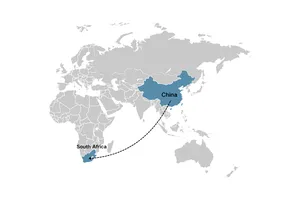
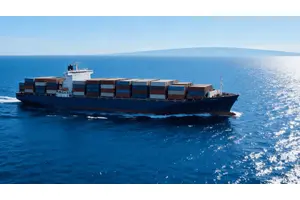
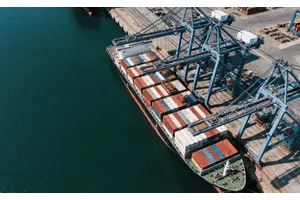
Are you struggling to find a reliable shipping agent from China to South Africa or confused about the best way to transport your goods? Navigating complex freight forwarding, customs regulations, and choosing the right shipping method can be overwhelming. In this comprehensive guide, we’ll break down the essentials of working with a shipping agent, explore key shipping methods, and provide tips to ensure smooth, cost-effective delivery from China to South Africa.
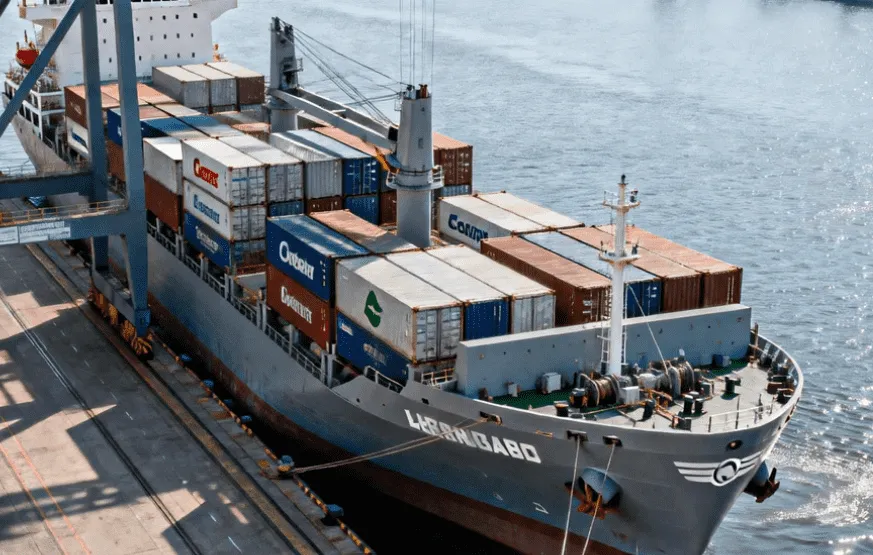
Introduction to Shipping Agents from China to South Africa
What is a Shipping Agent and Why Do You Need One?
A shipping agent—also known as a freight forwarder—is a professional intermediary that manages the transportation and logistics of goods between China and South Africa. Their main role is to coordinate all aspects of international shipping, including booking cargo space, arranging transport, handling documentation, and navigating complex customs regulations.
If you’re importing or exporting goods between China and South Africa, working with a reliable shipping agent is essential. The key reasons include:
- Expertise in Regulations: Customs policies and documentation requirements can be complex and ever-changing, especially between countries like China and South Africa. A reputable shipping agent will ensure your shipments comply with the latest regulations and avoid costly delays.
- End-to-End Logistics Management: From pickup at the supplier’s warehouse in China to final delivery in South Africa, a shipping agent coordinates every step, reducing administration and error.
- Cost Optimization: Agents leverage their network and experience to select the most cost-effective routes and carriers, helping you minimize shipping expenses.
- Risk Reduction: Professional agents offer value-added services such as cargo insurance, tracking, and local support, reducing risks of loss or damage in transit.
- Access to Multiple Shipping Options: They provide a wide range of services such as Sea Freight, Air Freight, Amazon FBA, Door-to-Door, and more—ensuring you have the best solution for your specific needs.
For businesses of all sizes—importers, exporters, e-commerce sellers, or manufacturers—a trusted shipping agent is not just a convenience, but a critical partner for successful, compliant, and cost-effective cross-border operations.
Common User Pain Points When Shipping to South Africa
Importers and exporters face several recurring challenges when shipping goods from China to South Africa:
-
Customs Delays and Documentation Errors
Incorrect or incomplete shipping documents frequently cause goods to be held at South African customs. This leads to delays, storage fees, or even fines. -
Unpredictable Costs
Unexpected charges such as port fees, demurrage, or customs duties can significantly impact your budget. A lack of cost transparency is a major concern. -
Transit Time Uncertainty
Variability in shipping schedules—due to weather, port congestion (notably at Durban Port or Cape Town Port), or carrier delays—makes supply chain planning difficult. -
Lack of Visibility & Tracking
Many shippers report limited real-time tracking, resulting in uncertainty about cargo location and delivery times. -
Communication Barriers
Differences in language, time zones, and business culture between China and South Africa can hinder smooth coordination. -
Cargo Damage or Loss
Inadequate packaging, rough handling, or improper consolidation can lead to damaged goods or losses in transit. -
Complexity of Consolidated Shipments
For small-volume importers or e-commerce sellers, managing LCL (Less-than-Container Load) shipments and consolidation logistics can be complicated.
By choosing an experienced and reputable agent like DTFU International Logistics Co.,Ltd, many of these issues can be efficiently managed or avoided altogether.
Key Shipping Methods from China to South Africa
When shipping goods from China to South Africa, you have several main logistics options. Choosing the right method depends on factors such as cost, speed, shipment size, and urgency.
Ocean Freight (FCL & LCL) – Costs, Transit Times, and Suitability
Ocean freight is the most popular and cost-effective solution for large shipments.
FCL (Full Container Load):
- Suitable for large shipments. You book an entire container (e.g., 20FT (28CBM), 40FT (56CBM), 40HQ (68CBM), or 45HQ (78CBM)).
- Lower per-unit shipping costs.
- Ideal for high-volume importers, manufacturers, and bulky items.
LCL (Less-than-Container Load):
- Suitable for small to medium shipments. Your cargo shares space with other consignments.
- Cost-effective for shippers without enough goods to fill a container.
- Common for cross-border e-commerce and SMEs.
Typical Major Ocean Routes and Ports:
| Departure Port (China) | Destination Port (South Africa) | Major Use Case |
|---|---|---|
| Shanghai | Durban | Electronics, machinery, FMCG |
| Shenzhen | Cape Town | Apparel, textiles, electronics |
| Ningbo | Port Elizabeth | Automotive, industrial goods |
| Qingdao | Durban | Chemicals, heavy machinery |
Estimated Transit Times and Costs (as of Dec 2025):
| Route (Port-to-Port) | FCL Transit Time | LCL Transit Time | Typical FCL Cost (40HQ, USD) | LCL Cost (per CBM, USD) |
|---|---|---|---|---|
| Shanghai – Durban | 23-29 days | 25-33 days | $2,200 – $2,800 | $85 – $120 |
| Shenzhen – Cape Town | 24-31 days | 26-34 days | $2,300 – $3,000 | $90 – $130 |
| Ningbo – Port Elizabeth | 28-34 days | 30-36 days | $2,400 – $3,100 | $95 – $135 |
Note: Rates and transit times are subject to change due to seasonal demand, fuel costs, and global shipping disruptions.
Suitability:
- Best for non-urgent, high-volume, or bulky goods.
- Offers the best cost efficiency, especially with FCL.
- LCL is ideal for smaller businesses or consolidating multiple suppliers’ goods.
Value-Added Services:
DTFU International Logistics provides cargo insurance, customs clearance, door-to-door delivery, and cargo consolidation for both FCL and LCL shipments.
For more details on timelines and logistics challenges for this region, you may want to see our guide on shipping time from China to South Africa.
Air Freight – When Speed Matters
Air freight is the fastest way to ship goods from China to South Africa, often used for time-sensitive, high-value, or perishable items.
Key Features:
- Transit Time: 3-7 days (airport to airport), depending on chosen service and route.
- Main Airports:
- China: Shanghai Pudong (PVG), Beijing Capital (PEK), Guangzhou Baiyun (CAN)
- South Africa: Johannesburg OR Tambo (JNB), Cape Town International (CPT)
- Typical Cargo: Electronics, medical supplies, fashion, urgent samples.
Cost Comparison Table (Dec 2025):
| Route (Airport-to-Airport) | Transit Time | Typical Rate (per kg, USD) |
|---|---|---|
| Shanghai (PVG) – Johannesburg (JNB) | 3-5 days | $5.0 – $7.5 |
| Guangzhou (CAN) – Cape Town (CPT) | 4-6 days | $5.5 – $8.0 |
Note: Air freight rates fluctuate based on demand, seasonality, and cargo type.
Suitability:
- Best for urgent shipments, perishable goods, or high-value, small-volume items.
- Less cost-effective for heavy, bulky, or low-value shipments.
DTFU International Logistics offers door-to-door air freight, cargo insurance, and customs clearance to ensure your goods arrive quickly and safely.
Related: If you’re comparing with other African air routes, check out Air shipping From China South Africa.
Express Courier Services – Options for Small and Urgent Shipments
For small parcels and urgent shipments, express courier services (such as DHL, FedEx, UPS, and TNT) provide door-to-door delivery from China to South Africa.
Key Features:
- Transit Time: 2–5 days (door-to-door)
- Shipment Size: Ideal for documents and packages under 100kg.
- Full Tracking & Customs Handling: Couriers manage all documentation and customs clearance.
Cost Comparison Table (Dec 2025):
| Courier | Typical Transit Time | Estimated Cost (5kg, USD) | Special Features |
|---|---|---|---|
| DHL Express | 2–4 days | $110 – $150 | Reliable tracking, fast |
| FedEx | 3–5 days | $105 – $145 | Saturday delivery option |
| UPS | 3–5 days | $100 – $140 | Advanced notifications |
Note: Final pricing depends on size, weight, and shipment origin.
Suitability:
- Best for e-commerce sellers, sample shipments, or urgent personal parcels.
- More expensive per kg than air or ocean freight, but ideal for speed and simplicity.
Selecting the right shipping method and partnering with a professional shipping agent such as DTFU International Logistics Co.,Ltd is crucial to optimizing your supply chain between China and South Africa. Each shipping mode offers unique advantages. Understanding their features, costs, and transit times enables you to make informed, cost-effective decisions—ensuring a smooth journey for your cargo every step of the way.
How to Choose the Best Shipping Agent for China-South Africa Routes
Selecting the right shipping agent from China to South Africa is a crucial decision for any business or individual engaged in cross-border trade. An experienced, trustworthy, and resourceful freight forwarder can help you minimize risk, optimize costs, and ensure smooth delivery.
Essential Qualities of a Reliable Freight Forwarder
When choosing a partner for your shipping needs, prioritize the following qualities:
-
Experience with China-South Africa Routes
Select a shipping agent with demonstrated expertise in handling shipments between China and South Africa. This expertise ensures familiarity with trade regulations, major ports (such as Shanghai, Shenzhen, Ningbo in China, and Durban, Cape Town, Port Elizabeth in South Africa), and customs procedures. -
Comprehensive Service Portfolio
A top-tier freight forwarder should offer a full spectrum of logistics solutions, including Sea Freight (FCL & LCL), Air Freight, Road Freight, Door to Door, Warehousing, Cargo Insurance, Customs Clearance, Amazon FBA, OOG Freight, and Consolidated Freight.DTFU International Logistics Co.,Ltd provides all these services, making us a one-stop solution for global traders.
-
Transparent Pricing and Cost Control
Reliable agents offer clear quotations with detailed breakdowns. They should highlight potential extra charges and provide advice on minimizing costs. -
Strong Network and Local Partnerships
A strong agent has established relationships with major shipping lines, airlines, local partners, and customs brokers both in China and South Africa. This network ensures your cargo moves efficiently across borders. -
Regulatory Compliance and Accreditations
Look for agents who comply with international standards and hold relevant certifications, such as FIATA, WCA, or CIFA memberships. -
Track Record and References
Check client testimonials, case studies, and references. A reputable agent should have a proven history of safe, timely, and cost-effective shipments. -
Responsive Customer Support
Effective communication and timely updates are vital. Your agent should offer dedicated support and shipment tracking for full transparency.
Red Flags and Common Scams to Avoid
Unfortunately, the international shipping industry is not immune to scams. Watch for these warning signs:
| Red Flag | Explanation |
|---|---|
| Unusually Low Quotes | If a shipping agent offers rates far below the market norm, beware of bait-and-switch tactics or hidden fees. |
| Lack of Transparency | Agents unwilling to share company details, accreditations, or references could be unreliable or unregistered. |
| No Written Contract or Vague Terms | Always ensure you have a clear written agreement detailing all services and costs. |
| Advance Payment Demands | Legitimate agents may request a deposit, but be wary if asked for large upfront payments without a contract. |
| Limited or No Online Presence | Reputable companies have verifiable websites, reviews, and active business addresses. |
| Unclear Communication | Delayed or ambiguous responses signal a lack of professionalism or potential fraud. |
Step-by-Step Shipping Process from China to South Africa
Understanding the full shipping workflow helps you prepare, avoid delays, and ensure compliance.
Required Documents and Customs Clearance Procedures
Essential Shipping Documents:
| Document Name | Purpose |
|---|---|
| Bill of Lading (B/L) | Proof of shipment, used for cargo release at destination |
| Commercial Invoice | Declares the value of goods for customs duties and taxes |
| Packing List | Details the contents, dimensions, and weight of cargo |
| Certificate of Origin | Specifies the manufacturing country of goods, required for customs clearance |
| Import/Export License | May be required for certain categories of goods |
| Insurance Certificate | If applicable, proves coverage for cargo in transit |
| Other Permits | Special goods (e.g., chemicals, food) may require additional documents |
Key Customs Procedures:
-
China Customs Export:
Ensure all documentation is accurate. The cargo is inspected, and export clearance is issued. -
South African Customs Import:
Upon arrival, cargo is declared to South African Revenue Service (SARS). Duties, VAT, and any other applicable taxes are assessed.
Prohibited and restricted items will be flagged for inspection. -
DTFU International Logistics Co.,Ltd offers full support for document preparation and customs clearance on both sides, minimizing your compliance risk.
For additional insights on how customs processes compare with other African nations, see shipping time from China to Ghana.
Packaging, Labeling, and Cargo Consolidation Tips
Proper preparation of your cargo is essential for safety, cost-efficiency, and regulatory compliance.
Packaging:
- Use strong, moisture-proof materials suitable for long sea or air journeys.
- Palletize goods for easy handling and reduce damage risk.
- For containerized shipments, optimize space utilization (20FT: 28 CBM, 40FT: 56 CBM, 40HQ: 68 CBM, 45HQ: 78 CBM).
Labeling:
- Clearly mark packages with consignee details, destination port, and handling instructions.
- For hazardous goods, follow the International Maritime Dangerous Goods (IMDG) regulations.
Cargo Consolidation:
- For small shipments, consider LCL (Less than Container Load) or air cargo consolidation to combine goods with others, lowering per-unit cost.
- Ensure each consolidated shipment is properly documented and separated for customs.
Professional Tip:
DTFU International Logistics provides expert packaging, labeling, and consolidation services, ensuring your goods are protected and compliant throughout their journey.
Typical Shipping Timeline: What to Expect
Shipping durations can vary based on mode, route, and port congestion. Here’s a reference table:
| Mode | Major Route | Estimated Transit Time* |
|---|---|---|
| Sea Freight (FCL) | Shanghai – Durban | 22-28 days |
| Sea Freight (LCL) | Shenzhen – Cape Town | 25-32 days |
| Air Freight | Guangzhou – Johannesburg | 3-7 days |
| Express Courier | Any Major Chinese City – South Africa | 2-5 days |
*Note: Times above are port-to-port and do not include customs clearance or inland transport. High season (Sept–Jan) may extend transit due to congestion.
Typical End-to-End Timeline:
- Booking & Documentation: 1–3 days
- Cargo Pickup, Packing, and Consolidation: 2–3 days
- Export Customs Clearance (China): 1–2 days
- Main Transit (Sea/Air): See table above
- Import Customs Clearance (South Africa): 2–5 days (dependant on documentation and cargo type)
- Final Delivery (Inland Transport): 1–4 days
DTFU International Logistics provides digital tracking and proactive notifications throughout each step, helping clients anticipate and address any delays swiftly.
Shipping Costs and How to Save Money
Main Factors Affecting Freight Rates from China to South Africa
When shipping goods from China to South Africa, understanding the key elements that impact freight rates is crucial for effective budgeting and cost control. As a logistics analyst with over 10 years of experience, I have observed that the following factors play a decisive role:
| Factor | Description | Impact Level |
|---|---|---|
| Shipping Method | Ocean Freight (FCL/LCL), Air Freight, or Express Courier – each option has different pricing models. | Very High |
| Cargo Volume & Weight | Charges are based on volumetric or actual weight. Larger or heavier shipments often benefit from lower unit rates. | High |
| Container Type | 20FT, 40FT, 40HQ, 45HQ containers have varying capacities and costs. Special equipment may increase costs. | Medium to High |
| Port Pair | Departure port in China (Shanghai, Shenzhen, Ningbo, etc.) and arrival port in South Africa (Durban, Cape Town, Port Elizabeth). Some routes are more cost-effective due to higher frequency and larger vessel capacity. | High |
| Seasonality | Peak seasons (e.g., pre-Chinese New Year, Christmas) see higher rates due to space demand. | Medium |
| Fuel Surcharges | Fluctuations in bunker fuel prices directly affect freight costs. | Medium |
| Customs & Duties | South African import duties and taxes add to landed cost. | Medium |
| Additional Services | Insurance, warehousing, door-to-door, and customs clearance fees. | Variable |
| Market Trends | Global supply chain disruptions or policy changes can spike rates. | High (in crises) |
Example: Estimated Sea Freight Costs (FCL) from China to Major South African Ports
Note: Rates may fluctuate based on market conditions. Below are indicative figures as of Q4 2025.
| POL (Port of Loading, China) | POD (Port of Discharge, South Africa) | 20FT Container (USD) | 40FT Container (USD) | Transit Time (Days) |
|---|---|---|---|---|
| Shanghai | Durban | $2,500–$2,800 | $4,800–$5,200 | 23–28 |
| Ningbo | Cape Town | $2,400–$2,700 | $4,700–$5,000 | 24–29 |
| Shenzhen | Port Elizabeth | $2,600–$2,900 | $5,000–$5,400 | 25–30 |
Source: DTFU International Logistics Market Research, Dec 2025
For readers interested in a comprehensive breakdown of costs, refer to our article on Shipping Cost from China to South Africa.
Tips for Reducing Your International Shipping Costs
Optimizing your freight spend doesn’t require sacrificing reliability. Here are proven strategies to cut costs, based on industry best practices and my experience at DTFU International Logistics Co.,Ltd:
- Consolidate Shipments
- Combine multiple small shipments into an LCL (Less than Container Load) or FCL (Full Container Load) to leverage better rates per CBM.
- Flexible Shipping Schedules
- Avoid peak seasons and book shipments in advance for lower rates.
- Negotiate with Your Shipping Agent
- Partner with a reputable shipping agent like DTFU International Logistics to access volume discounts and contract freight rates.
- Optimize Packaging
- Reduce dimensional weight and maximize container space using professional packing solutions.
- Accurate Documentation
- Prevent costly delays and fines by ensuring all paperwork is complete and accurate before shipping.
- Choose the Right Incoterms
- Select Incoterms (like FOB, CIF, DDU) that distribute responsibilities and costs appropriately.
- Utilize Door-to-Door Service
- End-to-end solutions often bundle services at a lower cost than managing separate providers.
- Leverage Value-Added Services
- Take advantage of DTFU’s warehousing, consolidation, insurance, and customs clearance for streamlined logistics.
Hidden Fees and How to Avoid Them
Hidden charges can erode your profit margins. Be aware of these common extra costs when shipping from China to South Africa, and work only with transparent logistics providers:
| Hidden Fee | Description | How to Avoid |
|---|---|---|
| Destination Terminal Handling Charges (DTHC) | Fees for unloading at the South African port. Often not included in origin quotes. | Request a full breakdown from your agent. |
| Customs Inspection Fees | Random or targeted inspections incur extra costs. | Ensure compliance with regulations and correct HS codes. |
| Demurrage & Detention | Storage or late return of containers at the port. | Clear goods promptly and use experienced local agents. |
| Documentation Fees | Charges for Bill of Lading, manifests, etc. | Clarify all documentation costs upfront. |
| Port Congestion Surcharges | Temporary surcharges during high congestion periods. | Monitor port status and plan shipments accordingly. |
| Insurance Charges | Optional, but highly recommended for valuable cargo. | Ask for bundled insurance options from your agent. |
| Remote Area Delivery Fees | If the destination is far from main cities or ports. | Confirm last-mile costs in advance with your provider. |
DTFU International Logistics Co.,Ltd provides complete, transparent quotes and will always clarify total costs before you ship.
Customs Regulations and Import Restrictions in South Africa
Understanding Duties, Taxes, and Prohibited Items
Navigating South African Customs is essential for seamless delivery. Here’s a breakdown of what importers must know:
-
Customs Duties
- Vary by product type according to the Harmonized System (HS) Code. Most goods are subject to duty rates between 0% and 20%.
- Special tariffs may apply to electronics, textiles, and vehicles.
-
Value Added Tax (VAT)
- Standard VAT rate: 15% of the customs value plus duties (known as the "VATable value").
- Some goods may be VAT exempt or subject to zero-rating under specific conditions.
-
Prohibited and Restricted Items
- Prohibited: Narcotics, counterfeit goods, certain chemicals, and specific wildlife products.
- Restricted: Pharmaceuticals, firearms, and agricultural products require import permits or additional certification.
Example: Commonly Imported Goods and Duties
| Product Category | Average Duty Rate | VAT Applicable | Permits/Restrictions |
|---|---|---|---|
| Electronics | 5–20% | 15% | SABS Certification needed |
| Clothing & Apparel | 0–45% | 15% | Labeling requirements |
| Machinery | 0–10% | 15% | No special permits |
| Food Products | 0–25% | 15% | Health certificates |
| Pharmaceuticals | Variable | 15% | Import permit required |
For the latest duty rates and regulations, always consult the South African Revenue Service (SARS) website or a professional shipping agent.
How to Ensure Smooth Customs Clearance
A successful clearance process is the key to on-time deliveries and cost savings. Follow these best practices:
- Accurate Documentation
- Prepare a complete set of paperwork: commercial invoice, packing list, Bill of Lading/Airway Bill, certificate of origin, and permits if required.
- Correct HS Code Classification
- Misclassification leads to delays or fines. Work with experienced customs brokers or your shipping agent from China to South Africa.
- Pre-Clearance Procedures
- Submit documents electronically in advance when possible to reduce downtime at port.
- Comply with South African Standards
- Some products need SABS (South African Bureau of Standards) approval or labeling in English.
- Pay Duties and Taxes Promptly
- Delays in payment can result in storage costs and detention.
- Choose a Reliable Shipping Partner
- DTFU International Logistics Co.,Ltd offers one-stop customs clearance and on-the-ground support in South Africa, minimizing risk and stress for importers.
Summary Table: Smooth Customs Checklist
| Step | Action | Who Handles |
|---|---|---|
| Documentation Preparation | Invoice, packing list, permits, etc. | Shipper/Shipping Agent |
| HS Code Confirmation | Verify correct product codes | Shipper/Customs Broker |
| Electronic Submission | Pre-submit customs entry if possible | Shipping Agent |
| Standards & Labeling | Ensure compliance with South African laws | Shipper/Shipping Agent |
| Duty & VAT Payment | Arrange timely payment on arrival | Importer |
| On-site Support | Handle inspections and queries | DTFU International Logistics (local partner) |
Expert Insight:
Partnering with a professional shipping agent like DTFU International Logistics Co.,Ltd can dramatically reduce customs risks and hidden costs. Our expertise in Sea Freight, Air Freight, Customs Clearance, and end-to-end logistics ensures your cargo arrives safely, on time, and at the most competitive rates.
Essential Tips for First-Time Importers and SMEs
Best Practices for a Hassle-Free Shipping Experience
Shipping goods from China to South Africa can be complex, especially for first-time importers or SMEs (Small and Medium Enterprises). Based on my 10+ years of experience in international freight forwarding, here are proven best practices to ensure your shipping process is smooth, cost-effective, and compliant:
-
Understand Your Shipping Options
Choose the right shipping method—Sea Freight (FCL/LCL), Air Freight, or Express Courier—based on your cargo volume, budget, and urgency. For large, non-urgent shipments, sea freight is cost-effective. For high-value or urgent goods, air freight or express services are recommended.If you're interested in how sea shipping works for South Africa, check our detailed breakdown of Sea shipping From China South Africa.
-
Partner with a Reliable Shipping Agent
Select a reputable shipping agent from China to South Africa with proven expertise, transparent pricing, and positive customer reviews. Agents like DTFU International Logistics Co.,Ltd offer end-to-end solutions, including customs clearance, warehousing, and cargo insurance. -
Prepare Accurate Documentation
Incomplete or incorrect documents are a common cause of delays. Ensure your Commercial Invoice, Packing List, Bill of Lading/Air Waybill, and any required permits are accurate and ready before shipment. -
Comply with South African Import Regulations
Stay updated on the latest South African customs regulations, duties, taxes, and restricted items. Work with your agent to pre-clear documentation and avoid shipments being held at customs. -
Ensure Proper Packaging and Labeling
Use international-standard packaging to protect your goods during transit. Clearly label all cargo with destination details, handling instructions, and HS codes for smoother customs processing. -
Track Your Shipment
Use digital tracking tools provided by your freight forwarder to monitor your cargo’s journey in real-time. This enhances visibility and allows you to address delays proactively. -
Insure Your Cargo
Always opt for cargo insurance. Even with the best partners and packaging, unforeseen events (theft, loss, damage, weather) can occur—insurance safeguards your investment. -
Plan for Peak Seasons
Shipping volumes peak before major holidays in China (e.g., Chinese New Year, Golden Week). Book your shipments in advance to secure space and avoid premium surcharges.
Quick Reference Table: Major Shipping Ports (China to South Africa)
| Port of Origin (China) | Major Destination Port (South Africa) | Typical Sea Transit Time (Days) | FCL 20' Avg. Rate (USD, 2025 Q4) | FCL 40' Avg. Rate (USD, 2025 Q4) |
|---|---|---|---|---|
| Shanghai | Durban | 22–28 | $2,100 | $3,800 |
| Shenzhen | Cape Town | 23–29 | $2,200 | $3,950 |
| Qingdao | Port Elizabeth | 24–30 | $2,300 | $4,000 |
*Rates are indicative and subject to market fluctuations.
Common Mistakes to Avoid When Shipping to South Africa
-
Underestimating Total Costs
Many SMEs overlook hidden charges such as destination port fees, customs duties, and storage costs. Always request an all-in quote from your shipping agent. -
Inadequate Communication
Failing to clarify Incoterms, payment terms, and service scope with your freight forwarder can result in confusion and extra charges. -
Ignoring Customs Requirements
Attempting to ship prohibited or restricted items without proper permits will result in fines and confiscation. Refer to the latest South African Revenue Service guidelines. -
Improper Packaging
Using substandard packing materials increases the risk of cargo damage—especially for long-haul sea shipments. -
Last-Minute Booking
Booking space or requesting documentation changes too late often results in costly delays, especially during peak shipping seasons. -
Not Verifying the Freight Forwarder’s Credentials
Working with unlicensed or inexperienced shipping agents may expose your cargo to delays, loss, or scams. Always confirm your agent’s credentials and membership in relevant trade associations. -
Neglecting Cargo Insurance
Skipping insurance may save some upfront cost but can lead to significant losses in the event of damage or theft during transit.
How DTFU International Logistics Can Help You Ship from China to South Africa
As a leading shipping agent from China to South Africa, DTFU International Logistics Co.,Ltd is uniquely positioned to support first-time importers, SMEs, and established businesses with comprehensive, reliable freight solutions.
Our Core Services Include:
- Sea Freight (FCL & LCL): Competitive rates for full and less-than-container loads, with regular departures from all major Chinese ports to South Africa’s key entry points.
- Air Freight: Fast, secure air cargo solutions for time-sensitive shipments, including door-to-door and airport-to-airport services.
- Road Freight: Local delivery and cross-border trucking options across South Africa.
- Amazon FBA Shipping: Customized solutions for e-commerce businesses shipping to Amazon warehouses.
- Warehouse & Consolidation: Strategic warehousing, cargo consolidation, and distribution to optimize your supply chain.
- Cargo Insurance: Comprehensive insurance coverage against loss or damage during transit.
- Customs Clearance: Expert handling of all import/export documentation and compliance.
- OOG Freight & Breakbulk: Specialized handling for oversized and heavy-lift cargo.
- Door-to-Door Delivery: Seamless logistics from your supplier in China to your destination in South Africa.
Why Choose DTFU International Logistics?
- Professional Expertise: Our team has extensive knowledge of both Chinese and South African logistics markets, ensuring problem-free shipments.
- Transparent Pricing: No hidden charges—clear breakdowns of shipping, customs, and local fees.
- Global Partnerships: We collaborate with established carriers and local agents, providing broad network coverage and priority service.
- Personalized Support: Dedicated English-speaking staff guide you through every step, from booking to delivery.
- Tech-Driven Tracking: Our digital tracking system keeps you updated 24/7 on your shipment’s status.
For a free consultation or to request a quote for your next shipment from China to South Africa, contact DTFU International Logistics Co.,Ltd today.
Let us help you grow your business with expert, affordable, and hassle-free international logistics solutions.