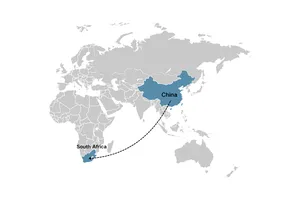
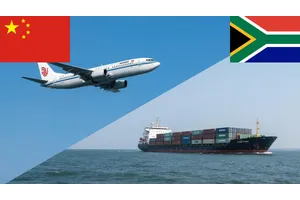
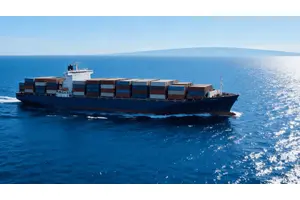
Are you wondering how long it takes for your goods to travel the shipping route from China to South Africa? Understanding the shipping time from China to South Africa is crucial for planning your supply chain and meeting your business goals. In this comprehensive guide, we’ll explore key transit factors, compare sea freight and air freight options, and provide expert tips to help you ensure timely deliveries and cost-effective shipping solutions.
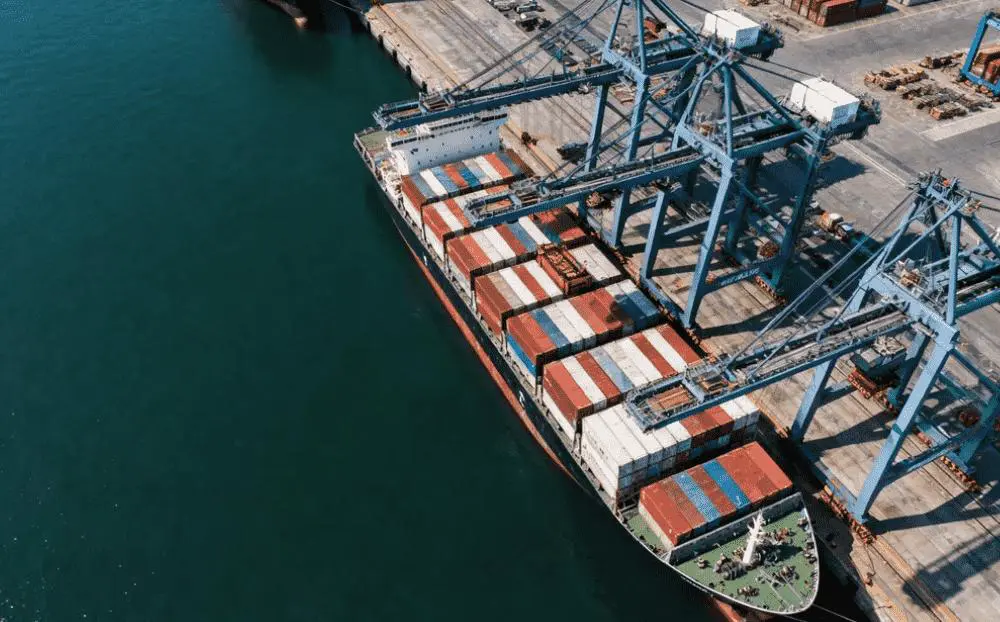
Key Factors Influencing Transit Times
When shipping goods from China to South Africa, several key factors determine overall shipping time. Understanding these can help importers and exporters make informed logistics decisions:
- Shipping Mode: The choice between sea freight (FCL or LCL) and air freight greatly impacts transit duration.
- Origin and Destination Ports: Proximity to major Chinese ports (such as Shanghai, Shenzhen, Ningbo) and South African ports (like Durban, Cape Town, Port Elizabeth) affects both sailing schedules and trucking time.
- Customs Clearance Efficiency: Delays at customs—either in China or South Africa—can extend transit times. Proper documentation, HS code classification, and pre-clearance preparations are crucial.
- Seasonality & Peak Seasons: High demand periods, such as Chinese New Year or Black Friday, can cause congestion and slower cargo movement.
- Carrier Schedules and Transshipment: Direct sailings are typically faster than routes requiring transshipment at intermediate ports.
- Weather and Geopolitical Events: Typhoons, port strikes, or navigation issues (such as disruptions in the Suez Canal) can unexpectedly impact schedules.
With over a decade in international shipping, I have observed that proactive planning and working with a reliable freight forwarder—like DTFU International Logistics Co.,Ltd—can minimize unforeseen delays and optimize your supply chain.
Sea Freight from China to South Africa
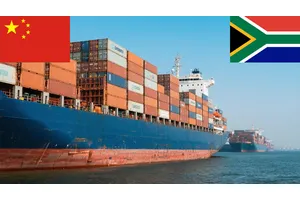
Sea freight remains the most popular shipping mode between China and South Africa due to its cost-effectiveness and ability to handle large shipments.
Full Container Load (FCL) Shipping Times
FCL (Full Container Load) is ideal for shippers with enough cargo to fill an entire container. This method offers greater security, faster transit, and less handling compared to LCL.
Typical FCL shipping times from major Chinese ports to South Africa (under normal conditions) are as follows:
| Origin Port (China) | Destination Port (South Africa) | Estimated Transit Time (Days) |
|---|---|---|
| Shanghai | Durban | 23–28 |
| Shenzhen | Durban | 21–26 |
| Ningbo | Cape Town | 25–32 |
| Qingdao | Port Elizabeth | 28–34 |
| Guangzhou | Durban | 22–29 |
- Note: Actual transit times may vary due to carrier schedules, weather, and customs clearance. For the latest schedules, consult with your freight forwarder.
Container Capacities commonly used:
- 20FT: 28 CBM (Cubic Meters)
- 40FT: 56 CBM
- 40HQ: 68 CBM
- 45HQ: 78 CBM
FCL is recommended for shipments where cargo volume justifies a full container, providing better cost efficiency per unit and faster handling at terminals.
Less than Container Load (LCL) Shipping Times
LCL (Less than Container Load) is suitable for smaller shipments that do not occupy a full container. LCL involves cargo consolidation—a process that can add handling time.
Typical LCL shipping times (including consolidation and deconsolidation) are:
| Origin Port (China) | Destination Port (South Africa) | Estimated Transit Time (Days) |
|---|---|---|
| Shanghai | Durban | 28–35 |
| Shenzhen | Cape Town | 29–36 |
| Ningbo | Port Elizabeth | 30–38 |
The added days vs. FCL stem from consolidation at origin, possible transshipment, and deconsolidation at destination. LCL offers flexibility for SMEs and cross-border e-commerce sellers but may not be ideal for urgent shipments.
Major Chinese Ports for South Africa Shipments
The primary export ports in China for South Africa-bound cargo include:
- Shanghai Port: The world’s busiest container port, offering frequent sailings and diverse carrier options to multiple South African ports.
- Shenzhen Port: A major export hub for electronic goods, textiles, and machinery. Frequent direct services to Durban and Cape Town.
- Ningbo-Zhoushan Port: Known for chemical and mechanical exports. Offers both FCL and LCL services to South Africa.
- Qingdao Port: Strength in machinery, automotive parts, and agricultural exports, with services to South Africa’s eastern coast.
- Guangzhou Port: Key for light industrial products and consumer goods, with regular connections to Durban.
Selecting a port closer to your supplier can help reduce domestic trucking costs and speed up overall logistics.
Related Reading: If you are exploring alternative routes in Africa, you may also be interested in Shipping time from China to Tanzania or Shipping time from China to Kenya for regional shipping comparisons.
Major South Africa Ports for Chinese Imports
South Africa is served by several key container ports receiving imports from China:
- Durban Port: The busiest and largest container port in South Africa, handling over 60% of the country’s containerized cargo. Preferred for most general goods and fast inland distribution.
- Cape Town Port: Strategic for the Western Cape market, wine industry, and agricultural imports.
- Port Elizabeth (Gqeberha) Port: Focuses on automotive, agriculture, and industrial imports; increasingly important for Eastern Cape businesses.
- Richards Bay: Primarily bulk cargo but supports some containerized trade, especially for mining and raw materials.
Each port has specialized handling capabilities, customs facilities, and access to South Africa’s inland transportation network. Choosing the right destination port is vital for distribution efficiency and minimizing inland transit costs.
Air Freight from China to South Africa
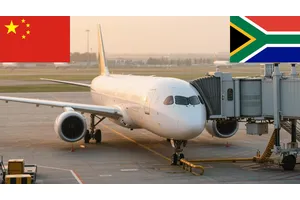
When shipping goods between China and South Africa, air freight is an optimal choice for time-sensitive or valuable cargo. Understanding the different service levels and expected transit times is crucial for effective supply chain planning.
Express Air Freight Transit Times
Express air freight is the fastest shipping solution for international cargo. Leading courier companies such as DHL, FedEx, and UPS operate direct and connecting flights between major Chinese cities and South African hubs, primarily Johannesburg (JNB).
Key characteristics of express air freight:
- Transit Time: Typically 2–4 working days from major Chinese airports (Beijing Capital International Airport, Shanghai Pudong International Airport, Guangzhou Baiyun International Airport) to Johannesburg O.R. Tambo International Airport.
- Door-to-door service with integrated customs clearance, tracking, and last-mile delivery.
- Ideal for urgent documents, samples, electronics, and small parcels.
| Origin Airport (China) | Destination Airport (South Africa) | Express Transit Time |
|---|---|---|
| Shanghai Pudong (PVG) | Johannesburg (JNB) | 2–3 days |
| Guangzhou Baiyun (CAN) | Johannesburg (JNB) | 2–3 days |
| Beijing Capital (PEK) | Johannesburg (JNB) | 2–4 days |
Note: Transit times may vary due to flight schedules, customs procedures, and unforeseen events such as peak season congestion or regulatory changes. For instance, recent adjustments to South African customs protocols can occasionally add a half-day to clearance times.
Standard Air Cargo Transit Times
Standard air freight (general cargo) offers a cost-effective alternative to express, suitable for larger shipments where speed is important but not critical.
- Transit Time: 5–7 working days from major Chinese airports to South Africa.
- Cargo consolidates at origin, often with scheduled weekly departures.
- Delivery is typically airport-to-airport, requiring consignees to handle local clearance and delivery.
- Suitable for shipments over 100 kg, machinery, textiles, and automotive parts.
| Origin Airport (China) | Destination Airport (South Africa) | Standard Air Freight Transit Time |
|---|---|---|
| Shanghai Pudong (PVG) | Johannesburg (JNB) | 5–6 days |
| Guangzhou Baiyun (CAN) | Johannesburg (JNB) | 5–7 days |
| Shenzhen Bao’an (SZX) | Johannesburg (JNB) | 6–7 days |
Industry Insight: From my experience, delays may occur during major Chinese holidays (e.g., the Chinese New Year) or international events that disrupt flight schedules. Careful planning and working with a professional freight forwarder such as DTFU International Logistics Co.,Ltd can minimize risks and ensure consistent lead times.
You may also find it useful to compare Air shipping From China South Africa for more specific insights into air freight options.
Cost Implications of Shipping Time
Shipping time directly impacts your logistics costs and overall supply chain efficiency. A shorter transit time typically comes with a premium, while longer routes may reduce costs but increase inventory holding expenses and potential disruption risks.
Balancing Speed and Cost
Choosing between express air freight, standard air freight, or even sea freight depends on your budget, cargo nature, and urgency.
- Express air freight: Highest speed, highest cost per kilogram. Suitable for high-value or urgent goods.
- Standard air freight: Balance of speed and cost; suitable for regular commercial shipments where a few days’ difference is acceptable.
- Sea freight: Lowest cost per cubic meter but much longer transit times (typically 20–30 days).
| Shipping Mode | Estimated Transit Time | Cost Level | Best For |
|---|---|---|---|
| Express Air Freight | 2–4 days | $$$$ (Highest) | Urgent, high-value, small shipments |
| Standard Air Freight | 5–7 days | $$$ (Medium-High) | General cargo, moderate urgency |
| Sea Freight (FCL/LCL) | 20–30 days | $$ (Lowest per CBM) | Bulk shipments, non-urgent goods |
Tip: Consider the total landed cost—including freight, customs, insurance, and local delivery—when making your decision. For example, while express services have a higher unit rate, they can reduce inventory and stockout costs for fast-moving products.
Factors Affecting Shipping Costs
Several variables influence your shipping costs between China and South Africa:
-
Weight & Volume: Air freight charges are based on the greater of actual weight or volumetric weight (Length × Width × Height ÷ 6000 for kg). Sea freight is calculated by container size—see standard container capacities below:
- 20FT: 28 CBM
- 40FT: 56 CBM
- 40HQ: 68 CBM
- 45HQ: 78 CBM
-
Service Level: Express is more expensive than standard air; direct flights cost more than indirect or consolidated options.
-
Origin & Destination: Proximity to major airports/ports in China and South Africa affects trucking costs and availability.
-
Seasonality: Rates fluctuate during peak seasons (e.g., pre-Christmas, Chinese New Year).
-
Fuel Surcharges: Dependent on global oil prices, recently subject to volatility due to international events.
-
Customs Duties & Taxes: Both Chinese and South African customs can impact overall landed costs.
-
Additional Services: Value-added services such as cargo insurance, warehousing, and door-to-door delivery add value and cost.
Recommended Resource: For an in-depth look at pricing, see Shipping Cost from China to South Africa to estimate your logistics expenses.
Expert Recommendation: For businesses seeking to optimize both speed and cost, partnering with a reliable freight forwarder is essential. DTFU International Logistics Co.,Ltd offers tailored solutions, including air, sea, and multimodal logistics, with comprehensive support for customs, insurance, and last-mile services. Our in-depth local knowledge ensures you receive the most cost-effective and efficient shipping options for your business.
Navigating Customs and Documentation for Timely Delivery
Chinese Customs Clearance Process
Efficient customs clearance is crucial for maintaining reliable shipping times from China to South Africa. The Chinese customs clearance process involves several key steps:
- Export Declaration: The exporter must submit a complete export declaration to China Customs. This includes a detailed packing list, commercial invoice, and the shipping contract.
- Inspection and Quarantine: Certain goods may require inspection by the General Administration of Customs of the People’s Republic of China (GACC). Products such as food, chemicals, and electronics often need additional certifications.
- Customs Review & Duty Payment: Customs authorities review all documents and determine if export duties or taxes apply. While most general cargo is duty-free on export, some restricted items may require permits.
- Release and Loading: Once cleared, cargo can be loaded onto the vessel or aircraft. Using an experienced forwarder like DTFU International Logistics Co.,Ltd ensures swift clearance and reduces the risk of delays.
Timely completion of these steps is essential; any documentation errors can result in hold-ups at the port, directly impacting the overall shipping time from China to South Africa.
Explore More: For customs clearance insights in neighboring regions, see Shipping time from China to Nigeria for West African best practices.
South Africa Customs Clearance Requirements
Upon arrival in South Africa, imports must clear South African Revenue Service (SARS) Customs. Understanding local requirements can avoid costly delays:
- Bill of Entry Submission: The importer or their appointed agent must submit a Bill of Entry within 7 days of cargo arrival.
- Import Permits: For certain products such as food, pharmaceuticals, and electronics, import permits and health certificates may be required.
- Duty & VAT Assessment: Customs will assess applicable duties and VAT (currently at 15%) based on the declared value, freight, and insurance.
- Cargo Examination: Random or targeted inspections may occur, particularly for high-risk or high-value shipments.
- Release: Goods are released once all duties are paid, documents are verified, and any inspections are cleared.
Partnering with a professional freight forwarder like DTFU International Logistics Co.,Ltd ensures up-to-date compliance with the latest South Africa regulations and minimizes clearance times—often within 1–3 days for compliant shipments.
Essential Shipping Documents
To ensure a smooth shipping process and fast customs clearance, gather the following essential shipping documents:
| Document Name | Purpose | Issued By | Notes |
|---|---|---|---|
| Bill of Lading (B/L) | Proof of shipment and receipt of goods | Carrier/Freight Forwarder | Original required for cargo release |
| Commercial Invoice | Detailed description and value of goods | Shipper/Exporter | Used for customs valuation |
| Packing List | Itemized list of cargo contents and packaging | Shipper/Exporter | Helps verify cargo during inspection |
| Certificate of Origin | Confirms the country where goods are made | Chamber of Commerce | May affect duty rates under trade agreements |
| Import/Export Licenses | Authorize shipment of controlled items | Respective Authorities | Required for restricted goods |
| Insurance Certificate | Proof of cargo insurance | Insurance Provider | Optional but recommended for high-value goods |
| Arrival Notice | Notifies consignee of cargo arrival | Carrier | Needed to initiate clearance process |
Ensuring all documents are accurate and complete can significantly reduce potential delays in the shipping time from China to South Africa.
Choosing the Right Shipping Method for Your Needs
When to Choose Sea Freight
Sea freight is the most popular and cost-effective option for shipping large or heavy cargo from China to South Africa. Consider sea freight when:
- Your shipment is not time-sensitive (transit times ranging from 20 to 35 days).
- You have full container loads (FCL) or can consolidate shipments (LCL).
- Cost savings are a priority over speed.
- You are shipping bulk commodities, machinery, or large-volume goods.
Sea freight is particularly suitable for large-scale importers, manufacturers, and cross-border e-commerce sellers with flexible delivery timelines. During 2025, sea freight remains relatively stable, with reliable sailings from major Chinese ports like Shanghai, Shenzhen, and Ningbo to South African ports such as Durban, Cape Town, and Port Elizabeth.
When to Opt for Air Freight
Air freight is the preferred choice when:
- Speed is essential (transit times from 2 to 7 days, including customs).
- Shipping high-value, perishable, or urgent cargo.
- Consignments are smaller (typically under 500 kg for cost-effectiveness).
- You need guaranteed delivery schedules.
Express Air Freight (e.g., via DHL, FedEx, or UPS) can deliver within 2–4 days, while standard air cargo options typically take 5–7 days. Air freight is ideal for electronics, medical supplies, samples, or seasonal goods. Note, however, that costs are significantly higher compared to sea freight.
Further Reading: For more details on ocean options to this region, you might review Sea shipping From China South Africa for a practical overview of maritime solutions.
Considerations for Urgent Shipments
For urgent shipments from China to South Africa, consider these factors:
- Choose direct flight routes where possible to minimize layover delays.
- Consolidate shipments for air freight to maximize cost efficiency.
- Use premium clearance services for both Chinese and South African customs.
- Book during non-peak seasons to avoid backlogs and capacity constraints.
- Work with a reputable freight forwarder like DTFU International Logistics Co.,Ltd for end-to-end coordination and real-time tracking.
Selecting the right shipping method balances both time and cost, ensuring your business can meet market demands with minimal disruption.
Tips for Expediting Your Shipments
Working with Reliable Freight Forwarders
Engaging an experienced and trustworthy freight forwarder is essential for optimizing the shipping time from China to South Africa. At DTFU International Logistics Co.,Ltd, we provide:
- One-stop services: Sea freight, air freight, road freight, Amazon FBA logistics, warehousing, cargo insurance, door-to-door delivery, out-of-gauge (OOG) freight, consolidated and breakbulk freight.
- Customized solutions: Tailored routes and services based on cargo type, urgency, and budget.
- Proactive communication: Real-time tracking, proactive updates, and rapid problem resolution.
- Expert compliance support: Up-to-date knowledge of the latest customs policies and documentation requirements.
- Cost optimization: Transparent pricing and advice on minimizing unnecessary fees.
A reliable freight partner helps avoid hidden delays, documentation errors, and unexpected costs.
Accurate Documentation and Packaging
Accurate paperwork and proper packaging are critical for efficient, compliant shipping:
- Double-check all shipping documents for accuracy and completeness.
- Use sturdy, compliant packaging to prevent cargo damage and customs issues.
- Label cargo clearly, including destination, handling instructions, and regulatory marks as required.
- Opt for palletizing and shrink-wrapping where necessary to streamline handling and reduce inspection times.
Well-prepared shipments are less likely to be detained by customs or incur additional inspections, shortening transit times.
Planning Around Peak Seasons
Global trade is affected by periodic peak seasons, which can impact shipping time from China to South Africa:
| Peak Season | China | South Africa | Impact on Shipping Time |
|---|---|---|---|
| Chinese New Year | Late January–February | - | Delays up to 2 weeks due to factory closures and port congestion |
| Golden Week | Early October | - | Backlogs before and after holiday |
| Back-to-School | July–September (electronics/apparel) | January (school season) | Higher demand, tighter capacity |
| Christmas | September–December (exports surge) | October–December (retail imports) | Increased competition for space, possible delays |
Proactive planning is necessary. Book shipments well in advance, anticipate possible delays, and maintain buffer stock where feasible. An experienced team at DTFU International Logistics Co.,Ltd can forecast these trends and help customers mitigate seasonal disruptions.
By following these best practices and partnering with a seasoned provider like DTFU International Logistics Co.,Ltd, you can significantly streamline your supply chain and minimize the shipping time from China to South Africa. For more personalized advice or quotation, feel free to reach out to our expert team.