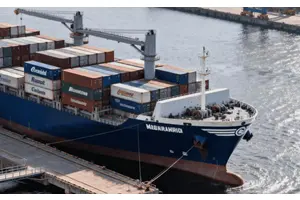
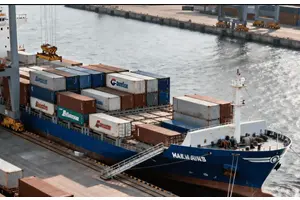
Three Chinese freight forwarders just quoted your Kenya shipment. One says $2,000 for a 20ft container to Mombasa. Another quotes $2,600 "all-in." The third offers DDP door-to-door delivery to your Nairobi warehouse — but the quote quietly omits the 2.5% IDF fee and the 16% VAT. Which one do you trust? Choosing a freight forwarder from China to Kenya is the single most consequential decision in your import, and it is rarely about who has the lowest headline rate.
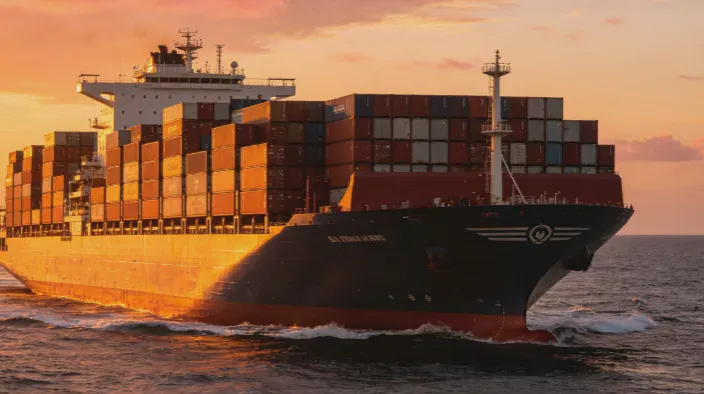
This guide, written by the senior logistics team at DTFU Logistics, gives you the tools to choose well. You'll learn how to verify a forwarder's real Kenya experience, what sea, air, and door-to-door shipping actually cost in 2026, how long each method takes, what KRA and KEBS require before your cargo can clear, and a quote-comparison checklist that exposes hidden fees before you book.
What a Freight Forwarder from China to Kenya Actually Does
A freight forwarder is your single point of contact for moving goods across borders. Rather than coordinating a factory, a shipping line, a customs broker, and a trucking company yourself, you hand the entire chain to one partner who manages it end to end.
For a China–Kenya shipment, that chain typically runs:
- Factory pickup — collecting goods from your supplier anywhere in China.
- Export customs clearance — preparing Chinese export declarations and documents.
- International transport — booking sea freight or air freight to Kenya.
- Kenya customs clearance — filing the Import Declaration Form (IDF), managing KEBS verification, and settling duties and taxes.
- Last-mile delivery — trucking or rail from the port to your Nairobi warehouse or shop.
The value of a specialist is in the details most generalist forwarders miss. A forwarder who ships to Kenya regularly knows that the Port of Mombasa is East Africa's primary maritime gateway, that inland cargo often transfers to the Nairobi ICD (Inland Container Depot) via the Standard Gauge Railway, and that Kenya sits inside the East African Community (EAC) — meaning your goods can be cleared once in Mombasa and re-exported inland to Uganda, Rwanda, Burundi, or the DRC. A generalist treats Kenya like just another destination; a specialist builds your routing around these realities. For a full overview of the route and its options, see our dedicated Shipping From China To Kenya page.
How to Choose the Right Freight Forwarder from China to Kenya
Most "how to choose a forwarder" advice is vague — "look for experience" and "check reviews." That is not enough when a wrong HS code can trigger a KRA audit and a missing CoC can hold your container at Mombasa for two weeks. Here is an eight-point checklist you can run against any candidate.
The 8-Point Forwarder Evaluation Checklist
- Credentials. Look for FIATA (International Federation of Freight Forwarders Associations) and IATA (International Air Transport Association) certification, plus Chinese MOFCOM registration. These signal a forwarder that meets international standards rather than an unlicensed reseller.
- Route expertise. Ask for proof of actual China→Mombasa/Nairobi volume and recent case studies — not a generic "we ship worldwide" claim.
- Nationwide multi-port coverage. A good forwarder loads from the port nearest your supplier — Shanghai, Ningbo, Qingdao, Tianjin, Shenzhen, or Guangzhou — rather than funneling every shipment through one southern port.
- DDP and local clearance capability. Do they have a Kenyan clearing agent in Mombasa and Nairobi, or do they hand off to an unknown third party?
- KRA / KEBS / PVoC compliance. Can they secure the Certificate of Conformity (CoC) before your cargo sails?
- Transparent pricing. Will they give you an itemized, all-in quote with a validity period — or a single vague number?
- Tracking and support. Is there a real-time tracking platform and a dedicated account manager, or only an email address?
- Cargo insurance. Can they arrange coverage for the full value of your shipment?
Red, Yellow, and Green Signals
Watch for these signs before you commit:
| Signal | What It Looks Like |
|---|---|
| 🟢 Green | Itemized quote with every charge named; recent Kenya shipment references; a named account manager |
| 🟡 Yellow | No CoC support offered; "DDP" quoted without listing duties and taxes; no local Kenya partner disclosed |
| 🔴 Red | Suspiciously low headline rate; refusal to itemize; no physical office or tracking; no peak-season space guarantee |
The Nearest-Port Principle
A forwarder who only ships from Shenzhen is optimizing their convenience, not your cost. If your supplier is in Shandong, trucking goods 2,000 km south to Shenzhen before they even start the sea leg adds unnecessary inland freight and time. Instead: northern cargo loads at Qingdao or Tianjin, eastern cargo at Shanghai or Ningbo, and southern cargo at Shenzhen or Guangzhou. This "nearest port" approach is how a nationwide forwarder lowers your total landed cost. If your supplier sits in East China, for example, our Shipping from Shanghai to Kenya service loads from Shanghai or Ningbo and skips the long southern detour.
Sea Freight vs. Air Freight vs. Door-to-Door: Choosing the Right Method
The method you choose drives both your timeline and your total cost. Here is the decision in one glance.
| Method | Transit Time | Cost | Best For |
|---|---|---|---|
| Sea Freight (FCL) | 25–35 days | Lowest per unit | Bulk cargo over ~14 CBM, heavy machinery, retail stock |
| Sea Freight (LCL) | 30–45 days | Low for small volumes | 1–13 CBM shipments sharing a container |
| Air Freight | 3–7 days | High per kg | Urgent, high-value, or perishable goods |
| Door-to-Door (DDP) | 5–8 days (air) / 35–45 days (sea) | All-inclusive | SMEs, e-commerce sellers, first-time importers |
Sea Freight: FCL vs. LCL
FCL (Full Container Load) means you rent an entire 20ft, 40ft, or 40ft High Cube container. LCL (Less than Container Load) means you pay per cubic meter and share space with other importers.
The tipping point is around 13–15 CBM. Below that, LCL is usually cheaper. Above it, a 20ft FCL becomes more economical once Mombasa's CFS unpacking and handling charges are factored in — and FCL is faster, more secure, and simpler to clear because a single importer owns the container. For a deeper dive into rates and container choices, see our Sea Shipping from China to Kenya guide.
Air Freight and Chargeable Weight
Air freight is priced by chargeable weight, which is the higher of your cargo's actual gross weight and its volumetric weight:
Volumetric weight = Length × Width × Height (cm) ÷ 6000
A bulky-but-light shipment (say, furniture components or insulated packaging) can bill at far more than its real weight, so a forwarder that helps you optimize packing can cut your air freight bill by 10–15%. Note that batteries, liquids, and magnets are restricted on air freight and require an MSDS (Material Safety Data Sheet). For complete air freight rates and gateway options, read our Air shipping From China to Kenya guide.
Door-to-Door and DDP
Door-to-door shipping — usually quoted as DDP (Delivered Duty Paid) — is the most hands-off option. The forwarder handles pickup, export clearance, transport, Kenya import clearance, payment of duties and taxes, and final delivery for one fixed, all-in price. It removes the two biggest surprises for importers: hidden destination charges and customs delays. The trade-off is a higher upfront price, since the forwarder is pricing in the duty, VAT, and clearance risk on your behalf. For a step-by-step walkthrough of the full process, see our Door to Door Shipping from China to Kenya guide.
How Much Does Shipping from China to Kenya Cost in 2026?
The headline rate is the least useful number you will receive. Below are realistic reference ranges, then a full breakdown of the costs that headline hides.
Sea Freight Rates (Port-to-Port, USD)
| Origin Port | 20ft | 40ft | 40ft HC | Transit Time |
|---|---|---|---|---|
| Shenzhen / Guangzhou | $1,900–2,500 | $3,700–4,400 | $3,900–4,700 | 25–35 days |
| Shanghai | $2,000–2,600 | $3,800–4,500 | $4,000–4,700 | 28–35 days |
| Ningbo | $2,050–2,500 | $3,900–4,600 | $4,100–4,800 | 28–36 days |
| Qingdao | $2,900–3,900 | $4,200–5,600 | $4,800–6,000 | 28–40 days |
| Tianjin | $3,000–4,000 | $4,300–5,800 | $4,900–6,100 | 30–42 days |
These are ocean freight only and fluctuate with seasonality. Southern ports are generally cheapest; Qingdao and Tianjin add $300–$600 per container. For a full breakdown by container size and origin port, see our 20ft & 40ft Container Shipping Cost from China to Kenya guide. In mid-2026, carriers added peak-season surcharges on the China–East Africa route — Maersk at up to $2,000 per 40ft container and CMA CGM at $750 per TEU — so a rate quoted one month may not survive the next. We track these moves closely; see our coverage of the CMA CGM Raises PSS on Far East–West Africa Lane.
LCL and Air Freight Rates
| LCL (per CBM) | $90–$150 |
|---|---|
| Air Freight (45–100 kg) | $6.00–$9.00/kg |
| Air Freight (100–300 kg) | $5.00–$7.00/kg |
| Air Freight (300 kg+) | $4.00–$6.00/kg |
| Express courier (DHL/FedEx/UPS) | $8.00–$12.00/kg |
| Air DDP (all-in) | $12.00–$15.00/kg |
| Sea DDP (all-in) | $350–$450/CBM |
The Full Landed-Cost Breakdown
Ocean freight is one line item among many. A complete landed cost stacks up like this:
| Cost Component | Typical Range |
|---|---|
| Origin charges (trucking, THC, export clearance) | $300–$800 |
| Ocean freight | $1,900–$5,600 |
| Cargo insurance | 0.3%–0.8% of CIF value |
| Customs duty (EAC Common External Tariff) | 0%–35% by HS code |
| IDF (Import Declaration Fee) | ~2.5% of CIF value |
| RDL (Railway Development Levy) | ~1.5–2% of CIF value |
| VAT | 16% on CIF + duty + IDF + RDL |
| Destination THC and handling | $250–$450 |
| Clearing agent fees | $150–$400 |
| Inland delivery (Mombasa → Nairobi) | $600–$1,200 by truck / $400–$800 by SGR rail |
To make this concrete, consider a $20,000 CIF shipment of electronics in a 40ft container with a 25% customs duty. The duty ($5,000), IDF ($500), RDL ($400), and VAT (16% on the ~$25,900 base, or $4,144) total over $10,000 in taxes and levies — before you add port handling, clearing fees, and inland delivery. The all-in landed cost lands near $31,000, meaning taxes alone exceeded half the cargo value. This is why an honest forwarder quotes the landed cost, not the freight rate.
How Long Does Shipping from China to Kenya Take?
Transit time depends on method, route, and how well your documents are prepared. Here is the realistic picture.
| Method | Port/Airport-to-Port/Airport | Door-to-Door |
|---|---|---|
| Air Freight | 3–7 days | 7–14 days |
| Sea Freight (FCL) | 25–35 days | 28–40 days |
| Sea Freight (LCL) | 28–40 days | 30–45 days |
The Sea Freight Timeline, Step by Step
A typical FCL shipment to Nairobi unfolds like this:
- Factory pickup and consolidation — 2–5 days.
- China export clearance — 1–3 days.
- Ocean transit to Mombasa — 23–42 days depending on origin port and direct vs. transshipment routing.
- Discharge and port handling — 1–3 days.
- KNRA radiation screening — 1–2 days (mandatory for all imports since May 2026).
- KRA customs clearance — 3–7 days, assuming documents are in order.
- Inland delivery to Nairobi — 1–2 days by truck or SGR rail.
Total: roughly 35–55 days door-to-door. LCL adds a few days for consolidation in China and deconsolidation at Mombasa.
What Causes Delays
The most common delay drivers are Chinese New Year (book three to four weeks early), the Indian Ocean monsoon (May–September, which can shift schedules), Mombasa port congestion (peaks mid-year and pre-holiday), and — most avoidable of all — incomplete or incorrect documents. A single missing CoC or an incorrect HS code can add days or weeks at the destination. For a detailed day-by-day breakdown of each route, see our Shipping time from china to Kenya guide.
Kenya Customs Clearance & Import Compliance: KRA, KEBS, PVoC & IDF Explained
Kenya's import regime is governed by three bodies you should know by name: the Kenya Revenue Authority (KRA), which collects duties and taxes; the Kenya Bureau of Standards (KEBS), which enforces product conformity; and the Kenya Nuclear Regulatory Authority (KNRA), which has required radiation screening on all imports since May 2026.
Required Documentation Checklist
- Commercial Invoice — exact unit prices and total value.
- Packing List — contents, weights, and dimensions.
- Bill of Lading (B/L) or Airway Bill (AWB).
- Certificate of Origin — mandatory for most imports since 2025.
- Import Declaration Form (IDF) — filed with KRA before your cargo ships.
- Certificate of Conformity (CoC) — required for regulated products.
- KRA PIN — the importer's tax identification number.
- HS Codes — correct classification for every line item.
PVoC and the Certificate of Conformity
Kenya operates a Pre-Export Verification of Conformity (PVoC) program for regulated products such as electronics, machinery, toys, and building materials. Goods covered by PVoC need a CoC issued before export — through one of three routes:
- Route A — batch inspection per shipment, for occasional importers.
- Route B — product registration with periodic inspection, for repeat shipments.
- Route C — full quality-management-system certification, for high-volume manufacturers.
Shipping without a required CoC is the most expensive mistake an importer can make. In 2026, China-origin goods lacking a valid CoC face destination inspection in Kenya, adding 7–10 days and a fee of roughly 0.6% of the approved customs value — and in some cases a penalty of up to 15% of the CIF value or re-export. A reliable forwarder confirms PVoC requirements against your HS codes before the cargo leaves China.
Duties and Taxes
Kenya applies the EAC Common External Tariff, with customs duty ranging from 0% on raw materials to 35% on finished consumer goods. On top of duty, expect:
| Levy | Rate |
|---|---|
| Customs duty (EAC CET) | 0%–35% by HS code |
| VAT | 16% |
| IDF | ~2.5% of CIF value |
| RDL | ~1.5–2% of CIF value |
| Excise duty | Applies to alcohol, tobacco, cosmetics, some vehicles |
Inland Transfer and Regional Transit
From Mombasa, inland delivery to Nairobi runs by SGR rail (roughly $400–$800 per container) or road trucking (roughly $600–$1,200). Because Kenya anchors the East African Community, many importers clear once in Mombasa and onward-ship to Uganda, Rwanda, Burundi, or the DRC — a routing that rewards a forwarder with genuine regional experience. For importers distributing across the region, we also run dedicated Shipping From China To Tanzania and Shipping From China To Uganda routes through the same Mombasa gateway.
Common Mistakes & a Quote-Comparison Checklist: How to Avoid Hidden Fees
Most surprise charges are avoidable. Here are the eight mistakes we see repeatedly, followed by a checklist that makes hidden fees impossible to hide.
The 8 Most Common Mistakes
- Using the wrong HS code — triggers inspection, reassessment, or penalties.
- Booking FCL when LCL is cheaper — wasting money on unused container space.
- Forgetting the KEBS CoC — the single biggest cause of destination delays.
- Missing the IDF deadline — clearance cannot even begin without it.
- Ignoring destination charges — port handling, IDF, RDL, and VAT are not optional.
- Returning containers late — demurrage runs $50–$200+ per day after free time.
- Skipping cargo insurance — one damaged container can erase months of margin. Learn what coverage costs in our Shipping container insurance cost for shipments from China guide.
- Underestimating landed cost — comparing freight rates instead of total cost.
The Quote-Comparison Checklist
Before you book, ask every forwarder to fill in these line items — and walk away from anyone who refuses:
- [ ] Ocean / air freight
- [ ] Origin THC and export clearance
- [ ] Cargo insurance
- [ ] Destination THC and port handling
- [ ] IDF fee
- [ ] Railway Development Levy (RDL)
- [ ] Customs duty (by HS code)
- [ ] VAT
- [ ] Clearing agent fees
- [ ] Inland delivery (truck or SGR)
- [ ] Free-time and demurrage terms
A legitimate forwarder can name every one of these numbers. A low-ball quote that omits IDF, RDL, VAT, and inland delivery is not cheaper — it is simply dishonest, and the missing charges will surface at the Mombasa dock when you have no leverage.
FAQs
How much does sea freight from China to Kenya cost?
Port-to-port, a 20ft container runs roughly $1,900–$3,600 and a 40ft container $3,700–$5,600, depending on the origin port and season. LCL runs about $90–$150 per CBM.
How long does shipping from China to Kenya take?
Air freight takes 3–7 days; sea freight takes 25–40 days to Mombasa; and full door-to-door delivery to Nairobi typically takes 35–55 days.
Does door-to-door (DDP) include duties and taxes?
Yes. A genuine DDP quote includes shipping, duties, IDF, RDL, VAT, clearance, and final delivery — but always confirm the taxes are itemized, not silently absorbed. See our DDP shipping from China to Kenya guide for exactly what a compliant DDP quote should include.
What is the cheapest way to ship from China to Kenya?
Sea freight (FCL or LCL) is cheapest for large shipments; for small mixed cargo, sea DDP at $350–$450 per CBM is often the most cost-effective all-in option. For a full breakdown of low-cost routes, see our Cheapest shipping agent from China to Kenya guide.
If you are importing to Kenya, request an itemized, all-in quote from our team. We will show you the full landed cost up front — no hidden fees, no surprises at the Mombasa dock.