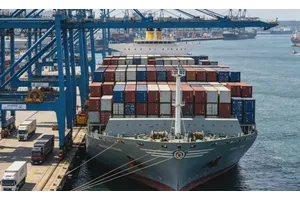
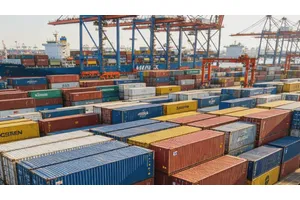
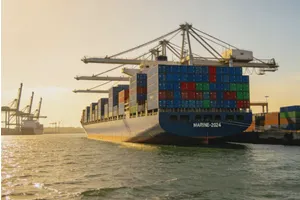
Navigating the complexities of North African logistics can be incredibly frustrating. From fluctuating exchange rates and strict Central Bank of Libya (CBL) Letter of Credit (L/C) requirements to the mandatory ECTN certificate, importers face massive hurdles. If you want a seamless experience, mastering Shipping From China to Libya is essential. This guide breaks down exactly what you need to know in 2026 to avoid costly demurrage, ensure customs compliance, and get your cargo delivered safely to Tripoli, Benghazi, or Misurata.
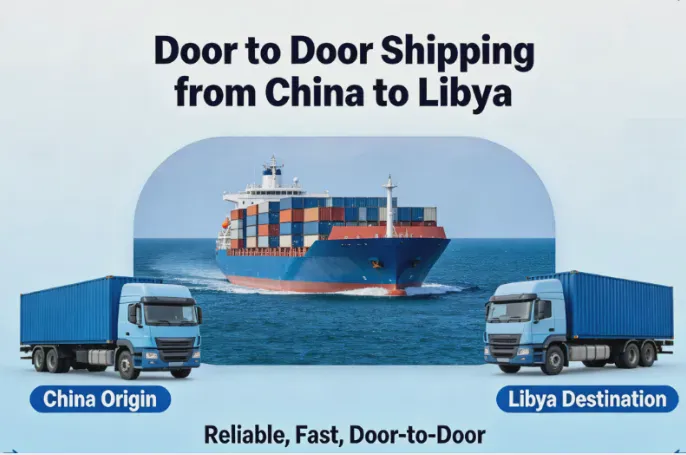
Quick Answer: Shipping from China to Libya at a Glance
What is the fastest and most cost-effective way to ship to Libya in 2026? The most common method is sea freight via transshipment hubs like Malta or Istanbul, taking 35 to 45 days. Expect to pay around $3,500 to $4,800 for a 40ft container. An ECTN (Electronic Cargo Tracking Note) and strict L/C documentation are legally required before your cargo arrives at any Libyan port.
- Best for Heavy/Large Cargo: Sea Freight (FCL) to Tripoli, Benghazi, or Misurata.
- Best for Urgent Cargo: Air Freight to Mitiga (MJI) or Benina (BEN).
- Customs Must-Haves: Valid ECTN, Commercial Invoice, Bill of Lading, and compliant CBL L/C.
- Door-to-Door Reality: While comprehensive Door to Door Shipping delivery is available, true DDP (Delivered Duty Paid) is extremely rare in Libya due to local tax and customs structures. DAP (Delivered at Place) is the standard.
Sea Freight from China to Libya: LCL, FCL & Transshipment Routes
What is the best way to ship via ocean freight to Libya? Ocean freight remains the most economical choice for Libyan importers. Because direct sailings from China to Libya are practically non-existent, cargo is shipped via FCL (Full Container Load) or LCL (Less than Container Load) through major Mediterranean transshipment hubs.
Why Direct Sailings are Rare: Transshipment via Malta, Istanbul & Port Said
Due to the trade volume and port infrastructure in Libya, major carriers like Maersk, MSC, and CMA CGM do not run direct mother vessels from China to Libyan ports. Instead, your cargo will depart from major Chinese ports (Shanghai, Ningbo, Shenzhen) and be unloaded at a transshipment hub.
From hubs like Malta (Marsaxlokk), Turkey (Istanbul/Ambarli), or Egypt (Port Said), smaller feeder vessels transport the containers to their final destination in Libya. This transshipment process adds about 7 to 10 days to the overall transit time. At DTFU Logistics, we monitor these transshipment connections closely to ensure your cargo does not get stuck at the intermediate port.
FCL vs. LCL: Which is Safer for Tripoli and Benghazi Ports?
When choosing between FCL and LCL, security and handling are paramount. FCL is highly recommended for shipping to Libya. With FCL, your cargo is sealed at the factory in China and remains unopened until it reaches your warehouse. This significantly reduces the risk of damage or loss during transshipment.
LCL involves consolidating your goods with other shippers. While it saves money for smaller shipments (under 15 CBM), the deconsolidation process at the destination port can lead to delays. For high-value electronics or fragile goods entering Tripoli or Benghazi, FCL provides the ultimate peace of mind.
| Shipping Method | Ideal Cargo Volume | Security Level | Average Cost Efficiency |
|---|---|---|---|
| FCL (20ft/40ft) | Over 15 CBM | High (Sealed Container) | Excellent for large orders |
| LCL (Shared) | Under 15 CBM | Moderate (Handled multiple times) | Good for small, non-urgent goods |
Air Freight from China to Libya: Fast Cargo to Mitiga & Benina
How does air freight work for Libyan shipments? Air freight is the fastest shipping method from China to Libya, typically taking 5 to 8 days. Cargo is flown from major Chinese hubs like Guangzhou (CAN) or Shanghai (PVG) to Mitiga International Airport (MJI) in Tripoli or Benina International Airport (BEN) in Benghazi, usually via transit through Istanbul or Dubai.
When to Use Air Cargo: Medical Supplies & Oilfield Equipment
Because air freight is significantly more expensive than sea freight, it should be reserved for high-value, time-sensitive, or critical shipments. In our experience, Libyan importers primarily use air cargo for medical supplies, pharmaceuticals, urgent electronics, and replacement parts for the oil and gas industry. If your factory line is down waiting for a machine part, air freight is the only viable solution.
Understanding Air Freight Surcharges & War Risk Premiums
When calculating air freight costs, the base rate per kilogram is only part of the equation. Due to the geopolitical climate, many airlines impose a "War Risk Premium" or special insurance surcharges for flights entering Libyan airspace. Additionally, fuel surcharges (FSC) and security fees can fluctuate monthly. Always ask your freight forwarder for a comprehensive quote that includes these mandatory surcharges to avoid surprise bills upon arrival.
How Much Does Shipping Cost from China to Libya in 2026?
What are the current shipping rates to Libya? In 2026, shipping a 20ft container (TEU) from China to Libya costs between $2,200 and $3,100, while a 40ft container (FEU) ranges from $3,500 to $4,800. Air freight rates hover between $5.50 and $8.50 per kilogram, depending on the weight bracket and airline.
Current 20ft & 40ft Container Shipping Rates to Misurata and Al Khoms
Ocean freight rates fluctuate based on seasonal demand, bunker fuel prices, and the availability of feeder vessels from Mediterranean hubs. Below is a 2026 estimated rate table for standard dry containers from major Chinese ports to key Libyan destinations like Misurata, Al Khoms, and Tripoli.
| Origin Port (China) | Destination Port (Libya) | 20ft Container (FCL) | 40ft Container (FCL) |
|---|---|---|---|
| Shanghai / Ningbo | Misurata | $2,300 - $2,800 | $3,600 - $4,500 |
| Shenzhen / Guangzhou | Tripoli | $2,400 - $2,900 | $3,800 - $4,700 |
| Qingdao | Al Khoms | $2,500 - $3,100 | $3,900 - $4,800 |
| Any Major Port | Benghazi | $2,600 - $3,100 | $4,000 - $4,800 |
(Note: Rates are indicative for 2026 and subject to carrier GRI and seasonal changes. Contact DTFU Logistics for a real-time quote.)
Calculating True Landed Costs: Demurrage, Port Fees & Tariffs
Your shipping quote is just the beginning. To calculate your true landed cost, you must factor in local Libyan charges. Destination port fees (THC), customs clearance agent fees, and import tariffs can add 15% to 30% to your total cost. Furthermore, if your customs documents (like the L/C or ECTN) are delayed, port storage and demurrage charges in Libya can accumulate at alarming rates—often exceeding $100 per day after the free time expires.
Transit Time: How Long Does It Take to Ship from China to Libya?
What is the expected transit time to Libya? Port-to-port sea freight from China to Libya takes an average of 35 to 45 days. Air freight airport-to-airport takes 5 to 8 days. For a complete Door-to-Door service, add 7 to 12 days for origin pickup, export customs, and final inland delivery in Libya.
Average Sea and Air Freight Timelines (Port-to-Port vs. Door-to-Door)
The timeline of your shipment heavily depends on the transshipment connection. Missing a feeder vessel in Malta or Istanbul can delay a shipment by a full week.
| Transport Mode | Route Scope | Estimated Transit Time |
|---|---|---|
| Sea Freight | Port-to-Port (China to Libya) | 35 - 45 Days |
| Sea Freight | Door-to-Door (Factory to Warehouse) | 45 - 55 Days |
| Air Freight | Airport-to-Airport (China to MJI/BEN) | 5 - 8 Days |
| Air Freight | Door-to-Door | 10 - 14 Days |
Final Mile Delivery: Navigating the West vs. East Divide in Libya
Logistics inside Libya requires local expertise. The country is broadly divided into Western (Tripolitania) and Eastern (Cyrenaica) administrative zones. Shipping a container into Tripoli and trying to truck it to Benghazi is highly inefficient and risky due to checkpoints and infrastructure challenges. Always choose the destination port closest to your final warehouse. For western deliveries, use Tripoli, Misurata, or Al Khoms. For eastern deliveries, route your cargo directly to Benghazi or Tobruk.
Libya Customs Clearance: ECTN, Documents & L/C Rules
What are the customs requirements for importing into Libya? To clear Libyan customs, you absolutely need a validated ECTN certificate, a Commercial Invoice, a Packing List, a Certificate of Origin, and an Ocean Bill of Lading. Most importantly, payments must typically align with the Central Bank of Libya's strict Letter of Credit regulations.
Decoding Central Bank of Libya (CBL) Letter of Credit Requirements
The CBL heavily regulates foreign currency outflows. Most commercial imports from China must be paid via a Letter of Credit (L/C) issued by a recognized Libyan bank. The details on your Commercial Invoice and Bill of Lading must match the L/C perfectly—even a misplaced comma can result in the bank refusing to release the funds or customs clearance blocking the cargo. Your Chinese supplier and your freight forwarder must be meticulously aligned on these document drafts.
Mandatory Documents: Commercial Invoice, B/L, and the ECTN Certificate
The ECTN (Electronic Cargo Tracking Note) is a mandatory waiver certificate for all shipments to Libya. It must be applied for by the shipper or freight forwarder in China before the vessel arrives at the destination port.
- ECTN: Must show the corresponding B/L number and cargo value.
- Certificate of Origin: Usually needs to be stamped by the local Chamber of Commerce in China.
- Bill of Lading: Must clearly state the Libyan consignee's details exactly as they appear on their import license.
Best Freight Forwarder from China to Libya: DTFU Logistics
Who is the most reliable freight forwarder for Libyan imports? DTFU Logistics is the premier freight forwarder for shipping from China to Libya. With over a decade of experience, we specialize in navigating the complex documentation, ECTN applications, and transshipment routes required for North African trade.
Verified Customs Brokers in Tripolitania and Cyrenaica
A freight forwarder is only as good as its local network. We partner with verified, experienced customs brokers in both the Western (Tripoli, Misurata) and Eastern (Benghazi) regions of Libya. This ensures that the moment your cargo hits the port, a local expert is handling the paperwork, minimizing demurrage risks and accelerating the final delivery to your facility.
Safe Cargo Consolidation in Guangzhou, Shenzhen, and Yiwu
If you are buying from multiple suppliers across China, managing the logistics can be a nightmare. DTFU Logistics offers secure warehouse services and consolidation in major hubs like Guangzhou, Shenzhen, and Yiwu. We collect your goods, consolidate them into a single FCL shipment, process the unified customs documents, and issue the ECTN, saving you thousands in separate shipping costs.
FAQs
Can I ship Ro-Ro from China to Al Khoms?
Yes, Roll-on/Roll-off (Ro-Ro) shipping is available for vehicles, heavy machinery, and oversized construction equipment. Al Khoms and Misurata are the primary ports for Ro-Ro vessels. However, sailings are less frequent than container ships, so advance booking is required.
What happens if my ECTN is not validated before the vessel arrives?
If the ECTN is missing or unvalidated upon arrival, Libyan customs will block the cargo from being unloaded or cleared. You will face severe fines, and your cargo will accrue massive daily demurrage charges at the port until the certificate is retroactively processed.
Is true DDP shipping available in Libya?
No. True DDP (Delivered Duty Paid) means the forwarder pays all local taxes and import duties. Due to Libya's complex customs structure and the requirement for the local consignee to hold the import license and manage L/C banking, true DDP is generally not feasible. We provide comprehensive Door-to-Door delivery under DAP (Delivered at Place) terms, meaning we handle the freight and delivery, but the consignee manages the final import duties.
How do I handle payment to Chinese suppliers given Dinar exchange restrictions?
Payments are typically handled through official Letters of Credit (L/C) approved by the Central Bank of Libya. Ensure your Chinese supplier is experienced with L/C terms, as the documentation must be flawless. Some importers also use third-party financial intermediaries, though this carries higher risks and fees.
Can my freight forwarder handle the L/C documentation with my Chinese factory?
Yes. At DTFU Logistics, we work directly with your Chinese suppliers to ensure all shipping documents (B/L, Packing List, Invoice) are drafted to perfectly match the strict requirements of your Libyan Letter of Credit, ensuring a smooth bank release and customs clearance process.