Customer Background
Our client, a medium-sized printing supplies distributor based in Cairo, had been sourcing screen printing materials from local suppliers for years. The Egyptian printing market was growing, but local varnish prices carried a heavy markup. The owner — an experienced industry veteran — decided to try direct sourcing from China after attending a trade fair in Guangzhou.
He had never imported chemicals before. His only experience was with non-hazardous printing equipment and spare parts. When he approached us, he had already contacted three other freight forwarders in Shenzhen. Two of them simply said "sorry, we don't handle chemicals." The third quoted a price nearly twice what we eventually offered.
That is when DTFU Logistics stepped in.
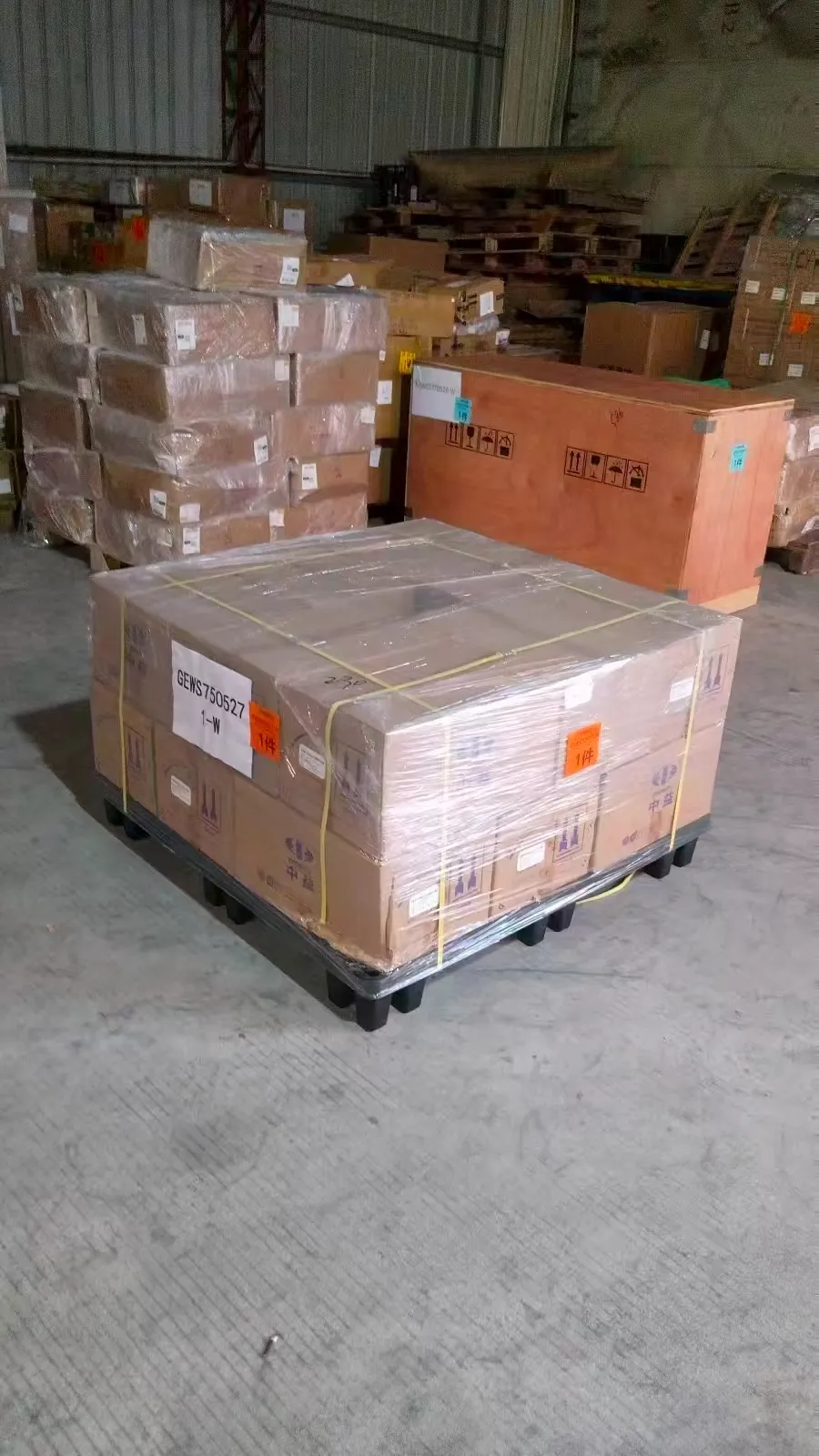
Cargo Information
| Item | Detail |
|---|---|
| Cargo | V Screen Printing Varnish |
| Quantity | 4 drums × 25 kg (total 100 kg) |
| HS Code | 3208.20 — Paints & varnish based on acrylic/vinyl polymers |
| Classification | Dangerous Goods — Class 3 (Flammable Liquid) |
| Packaging | UN-approved drums with hazard labels, IMDG-compliant |
| Incoterm | FOB Shekou |
| Destination | Sokhna Port, Egypt |
The varnish tested with a flash point below 60°C, which placed it firmly under IMDG Class 3 regulations. This was not a "maybe DG" situation — it was a clear-cut dangerous goods shipment that required full compliance documentation.
Why This Shipping Method
Three factors drove the decision to ship LCL rather than FCL or air:
1. Volume did not justify a full container. With only 100 kg of cargo, a 20-foot container would have been wasteful. LCL allowed the client to pay only for the space his drums actually occupied.
2. Cost was the #1 priority. The client's entire business case for switching to Chinese sourcing depended on keeping logistics costs low. Air freight for DG cargo would have erased any margin advantage. LCL sea freight was the only economically viable option.
3. Shekou port was right next door. The varnish manufacturer's factory was in Dongguan, just an hour's drive from Shekou port. This eliminated costly inland trucking to a different departure port. Shekou also has direct LCL consolidation services with DG handling capability — not every Chinese port offers this for small chemical shipments.
Shipping Process
Step 1 — DG Compliance Check
Before anything moved, our operations team requested the Material Safety Data Sheet (MSDS) from the shipper. The original MSDS was in Chinese. We had it professionally translated into English, as Egyptian customs requires an English or Arabic version for chemical imports.
The MSDS confirmed the varnish was a Class 3 flammable liquid (flash point 28°C). We then prepared the Dangerous Goods Declaration, IMDG Container Packing Certificate, and Shipping Declaration for the carrier.
Step 2 — Booking & Consolidation
Finding an LCL carrier willing to take one hundred kilos of flammable liquid on a shared container was not trivial. Many LCL consolidators flat-out refuse DG cargo. We booked with a carrier that operates a dedicated DG-compatible LCL service from Shekou to Sokhna, with a weekly sailing.
The four drums were picked up from the Dongguan factory by our trucking partner and delivered to the Shekou CFS (Container Freight Station), where they were stuffed into a shared 20-foot container with other compatible non-reactive cargo.
Step 3 — Sea Freight
The vessel sailed from Shekou, transshipped at Port Klang, Malaysia, and arrived at Sokhna Port, Egypt. Total transit time was approximately 21 days.
Step 4 — Egyptian Customs Clearance
Egypt has strict import controls for chemicals. Beyond standard customs clearance, the shipment required:
- Environmental clearance from the Egyptian Environmental Affairs Agency (EEAA) for the varnish composition
- GOEIC (General Organization for Export and Import Control) inspection and registration
- A confirmed Importer Registration Certificate held by our client
Our Egypt-based customs broker handled the EEAA filing before the vessel even arrived, so the clearance process was not delayed.
Step 5 — Final Delivery
After customs release at Sokhna, the cargo was trucked to the client's warehouse in Cairo, approximately 130 km from the port.
Challenges Encountered
1. DG Classification Uncertainty
The manufacturer initially insisted the varnish was "not dangerous." They had been selling it domestically without any DG paperwork. We had to push hard for the MSDS, and when the flash point confirmed Class 3 status, the client was surprised — and grateful we caught it before any regulatory issues arose.
2. Limited LCL DG Carriers
Very few carriers accept LCL dangerous goods. Most require a full container for any DG shipment. We had to negotiate with multiple liner schedules to find one that offered LCL DG service on the Shekou–Sokhna route.
3. MSDS Language Gap
The original MSDS was in Chinese only. Egyptian customs rejects non-English/non-Arabic MSDS for chemical imports. We had to arrange a certified translation, which added two days to the pre-shipping timeline.
4. Egyptian Environmental Agency Approval
Egypt requires environmental clearance for certain chemical categories. The paint and varnish category (HS 3208) triggers a review by the EEAA. Without this approval, the cargo would have been held at the port — or worse, re-exported. Our broker had to submit the translated MSDS, product composition breakdown, and safety data sheets in advance.
5. Consignee's First-Time Importer Status
The client had never imported chemicals under his own company name. He lacked the GOEIC Importer Registration, which is mandatory for bringing any commercial goods into Egypt. We guided him through the registration process, but it took roughly two weeks to complete with the Egyptian authorities.
How We Solved Them
| Challenge | Solution |
|---|---|
| DG classification dispute | Sent the MSDS to our in-house DG safety advisor for a binding classification letter |
| No LCL DG carrier found initially | Leveraged our carrier network to identify a DG-compatible LCL service via Port Klang transshipment |
| Chinese-only MSDS | Arranged certified English translation within 48 hours |
| EEAA environmental approval | Pre-filed all documents through our Egypt customs broker 10 days before vessel arrival |
| Missing GOEIC Importer Registration | Walked the client step-by-step through registration; assigned a Chinese-speaking account manager to coordinate with Cairo |
Our philosophy was simple: handle the compliance before the cargo sails. Every document filed early was a delay avoided at destination.
Final Timeline
| Phase | Duration | Details |
|---|---|---|
| Pre-shipping preparation | 12 days | MSDS review, translation, DG declaration, booking confirmation |
| Factory pickup → CFS | 1 day | Dongguan → Shekou CFS (60 km) |
| Consolidation & customs export | 2 days | CFS stuffing, China export customs clearance |
| Sea freight (Shekou → Port Klang → Sokhna) | 21 days | Includes transshipment at Port Klang |
| Egyptian customs clearance | 5 days | EEAA clearance, GOEIC inspection, duty payment |
| Final delivery (Sokhna → Cairo) | 1 day | Trucking to client warehouse |
| Total door-to-door | ~42 days | From factory pickup to Cairo delivery |
Final Cost
| Item | Cost (USD) |
|---|---|
| Factory pickup (Dongguan → Shekou CFS) | $85 |
| LCL freight (Shekou → Sokhna, 1 CBM min.) | $210 |
| DG surcharge (Class 3, LCL) | $120 |
| CFS charges (receiving, stuffing, documentation) | $65 |
| MSDS translation (Chinese → English) | $40 |
| Egypt customs clearance & EEAA filing | $180 |
| Import duties & taxes (approx. 5% + 14% VAT on CIF) | $95 |
| Trucking Sokhna → Cairo | $110 |
| Documentation & admin fee | $50 |
| Total | $955 |
The client was quoted over $1,800 by the other forwarder for the same scope. We delivered at under $1,000 — competitive enough to make the client's direct-sourcing model profitable from the very first shipment.
Customer Review
"To be honest, I was nervous shipping chemicals for the first time. A few forwarders just told me they couldn't do it. DTFU didn't just say they could — they walked me through every step. The MSDS translation, the environmental approval, the GOEIC registration… I would not have known where to start. The cargo arrived safely, all paperwork was in order, and the total cost was half of what another company quoted. I have already placed my second order."
— Ahmed M., Printing Supplies Distributor, Cairo
Lessons Learned
1. Never take a supplier's word on DG classification. The manufacturer said the varnish was non-hazardous. The MSDS proved otherwise. Relying on verbal assurances could have led to cargo rejection, fines, or worse — a safety incident during transit.
2. LCL DG shipping is possible — but you need the right partner. Most consolidators say no. The ones that say yes often charge a premium. Having established relationships with DG-compatible carriers is essential for keeping costs reasonable.
3. Egypt's chemical import regulations are not a joke. The EEAA environmental clearance requirement caught the client off guard. Without our broker's early intervention, this alone could have caused a 2–3 week delay at Sokhna.
4. First-time importers need hand-holding. The client did not know about GOEIC registration, the Importer Certificate requirement, or the need for a translated MSDS. A good forwarder does not just move boxes — they bridge knowledge gaps.
5. Shekou is an excellent port for Guangdong chemical exports. Located in Shenzhen, Shekou offers direct DG-capable LCL services and is within one hour of most Pearl River Delta manufacturing hubs. For SME chemical exporters in Guangdong, it is often the most cost-effective departure point to the Middle East and Africa.
At DTFU Logistics, we specialize in shipping chemicals and dangerous goods from China to Egypt and destinations worldwide. With FIATA and IATA certification, direct carrier contracts, and dedicated DG compliance expertise, we help importers navigate complex regulations without breaking the budget. Contact us for your next shipment.