Customer Background
The customer is an importer and wholesaler of cleaning supplies based in Jeddah, Saudi Arabia. Their product line includes professional window-cleaning equipment, janitorial tools, and floor care supplies, distributed to retail chains, cleaning companies, and facility-management contractors across the kingdom.
This order covered a range of squeegees — window squeegees, floor squeegees, and replacement rubber blades — sourced from a manufacturer in the Ningbo area. The cargo is high in volume but low in unit value, which makes the freight cost the dominant factor in the landed price of every unit. The customer's core requirement was to keep the per-unit freight cost as low as possible.
Cargo Information
| Item | Detail |
|---|---|
| Commodity | Window and floor squeegees, replacement rubber blades |
| Container type | 1 × 40HQ (Full Container Load) |
| Origin | Ningbo, China |
| Destination | Jeddah, Saudi Arabia |
| Incoterm | FOB Ningbo |
| Gross weight | Approx. 11,800 kg |
| Volume | Approx. 56 CBM |
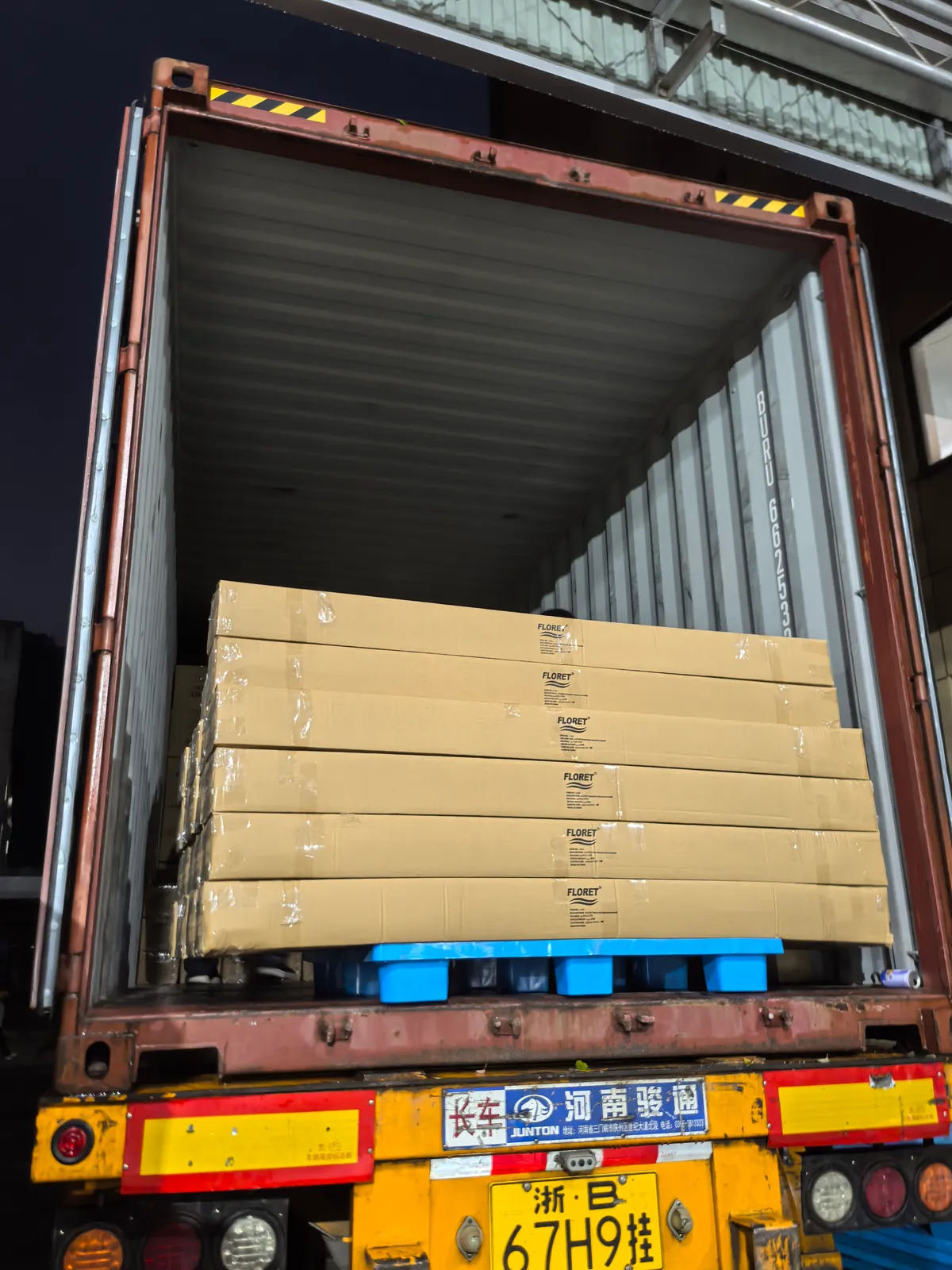
The cargo consisted of squeegees in multiple sizes, packed in export cartons. Window squeegees are relatively light and bulky — long handles and rubber blades take up space without much weight. The cargo is volume-heavy, filling the 40HQ's cubic capacity well before reaching its weight limit.
Why This Shipping Method
Sea freight in a 40HQ was the clear choice. Squeegees are non-urgent, low-unit-value goods, and air freight at roughly 6–8 times the sea rate would have been commercially nonsensical for this product.
The volume-to-weight profile made the 40HQ the right container. At ~56 CBM, the cargo was too large for a 20GP, and because it is volume-heavy rather than weight-heavy, the 40HQ's generous cubic capacity was a better fit than its payload. The container was booked at the lowest available rate on the Ningbo–Jeddah service, with the freight cost spread across the maximum number of units.
Shipping Process
Step 1 — Rate negotiation and booking
Because the customer's landed cost is dominated by freight, the booking was placed through a negotiated spot rate on the Ningbo–Jeddah route rather than the published tariff. The rate was confirmed before cargo collection, and the booking locked in a fixed ocean freight charge for the 40HQ.
Step 2 — Cargo collection and pre-shipment inspection
The squeegees were collected from the manufacturer in the Ningbo area. A pre-shipment inspection was carried out at the factory to confirm the carton count, check the packaging quality, and verify that the cargo would fit the container volume budget. This inspection step was worth the time because under-filling the container would have raised the effective per-unit freight cost.
Step 3 — Container loading
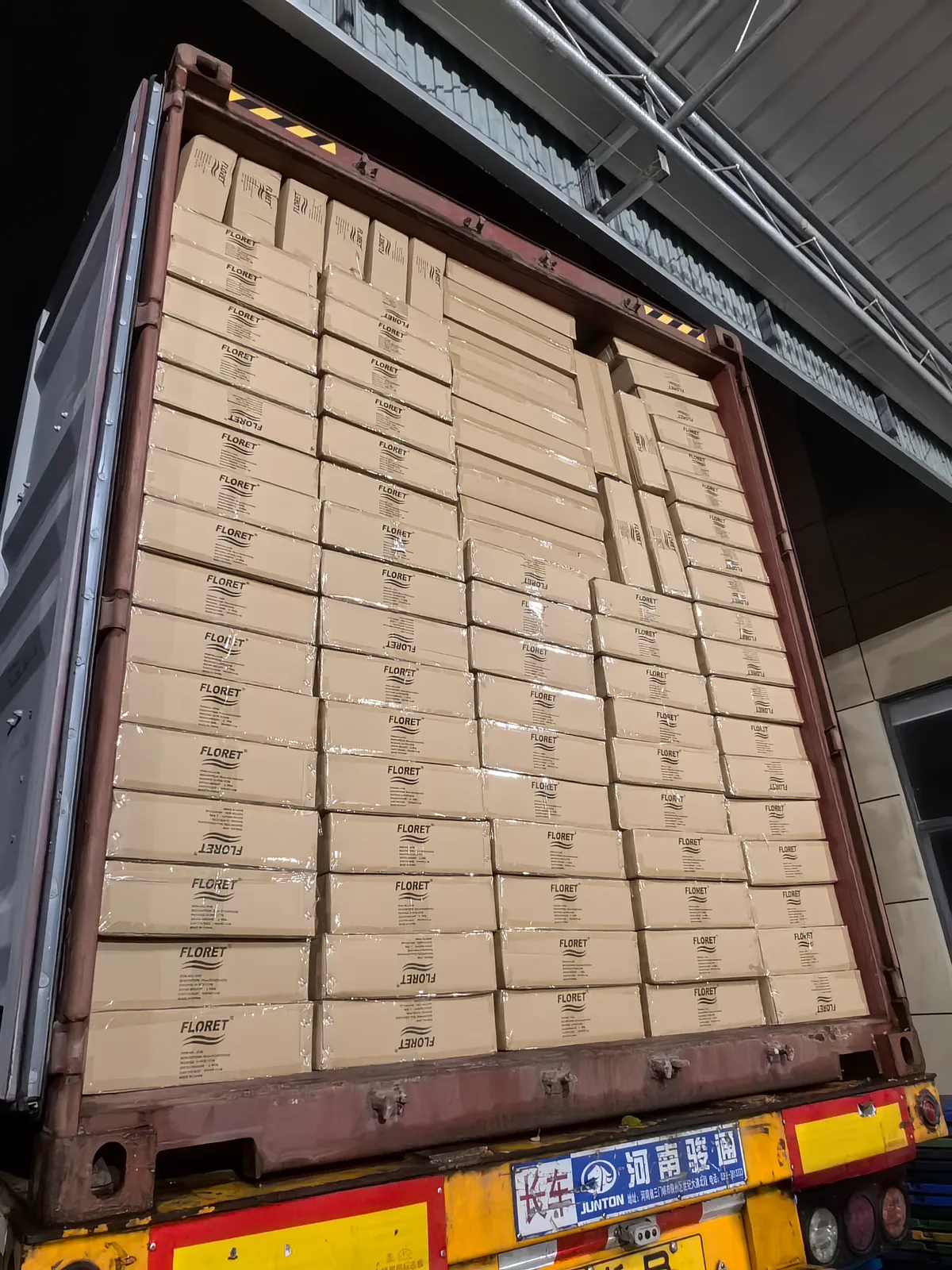
Loading was planned around maximizing the use of the 40HQ's volume. The cartons were loaded floor-to-roof in interlocked rows, with the longer-handled items placed to fill the gaps between standard cartons. Because the cargo is light, the container could be packed to near-full volume without approaching its weight limit — the loading plan aimed for at least 95% cubic utilization.
Step 4 — Export customs clearance and vessel loading
Export customs clearance was handled in Ningbo. Squeegees are not restricted goods for export from China, and the declaration was submitted and cleared within one working day. The container was trucked to the port and loaded onto the vessel.
Step 5 — Ocean freight and destination delivery
The vessel sailed from Ningbo to Jeddah Islamic Port, with a transit time of approximately 18 days. On arrival, the container cleared Saudi customs, and the goods were delivered to the customer's warehouse in Jeddah.
Challenges Encountered
1. Freight cost dominating landed price
For a low-unit-value product like squeegees, the ocean freight can account for a significant share of the landed cost. Any inefficiency — an under-filled container, a suboptimal rate, or an avoidable surcharge — directly erodes the customer's margin. The cost control here was not an accounting detail; it was the commercial core of the shipment.
2. Volume utilization
Squeegees are bulky and awkwardly shaped, with long handles and flexible blades that can waste space if not packed deliberately. A loosely packed 40HQ could easily ship 10–15% empty space, which would raise the per-unit freight cost by the same proportion.
3. Rate volatility on the route
Ningbo–Jeddah ocean rates fluctuate with season and vessel utilization. The customer needed a rate that would hold for the shipment, and a tariff-based quote risked repricing at departure if the market moved.
How We Solved Them
For the freight-cost dominance:
The shipment was booked on a negotiated spot rate rather than the published tariff, confirmed in writing before cargo collection. The rate was compared against the customer's previous shipment costs to verify it was in line with the market. The single-container booking kept the cost structure simple — no split shipments, no consolidation premiums.
For volume utilization:
The loading plan was built around the 40HQ's cubic capacity. Cartons were loaded floor-to-roof in interlocked rows, and the awkwardly shaped long-handled items were used to fill voids between standard cartons. The container was packed to approximately 95% of usable volume before sealing, keeping the effective per-unit freight cost at its floor.
For rate volatility:
The negotiated rate was locked in at booking and confirmed to apply at departure regardless of market movement. This gave the customer a fixed freight line in their landed-cost calculation, protecting the margin from a rate spike during the booking-to-departure window.
Final Timeline
| Milestone | Date |
|---|---|
| Rate confirmed and booking placed | April 7 |
| Cargo collected from factory, Ningbo | April 9 |
| Pre-shipment inspection | April 9 |
| Container loading completed | April 10 |
| Export customs clearance | April 11 |
| Vessel departure from Ningbo | April 13 |
| Arrival Jeddah Islamic Port | May 1 |
| Saudi customs clearance completed | May 2 |
| Delivery to customer warehouse, Jeddah | May 3 |
Total door-to-door transit time: 26 days
Final Cost
The total cost for this shipment was approximately $3,080, broken down as follows:
- Ocean freight (Ningbo → Jeddah, 1×40HQ, negotiated rate): ~$2,180
- Inland trucking and loading (Ningbo): ~$330
- Export customs clearance: ~$140
- Destination customs clearance and broker fees (Jeddah): ~$420
- Terminal handling charges (Jeddah): ~$200
- Delivery to warehouse in Jeddah: ~$210
The customer paid the ocean freight, inland trucking, and export-side charges to DTFU Logistics; destination-side charges were settled through their local broker.
The negotiated ocean rate reflected the April 2026 market on the Ningbo–Jeddah route. Rates on this lane fluctuate with season and vessel utilization; the spot rate at the time of booking was locked in for this shipment.
Customer Review
"For a product like this, the freight rate decides whether the order makes sense or not. We got a rate that held to departure, and the container was packed full — the cost per unit came out where we needed it to be. The count at our warehouse matched the packing list."
— The customer's procurement manager, Jeddah
Lessons Learned
-
For low-unit-value cargo, freight efficiency is the business case. When the freight cost is a large share of landed price, the container must be packed to near-full volume and the rate must be negotiated and locked. Both actions directly protect the customer's margin.
-
Volume-heavy cargo should be packed for cubic capacity, not weight. Squeegees fill a 40HQ by volume long before reaching its weight limit. Interlocked floor-to-roof loading that eliminates voids is what turns a container into a cost-efficient unit.
-
Lock the rate in writing. A negotiated spot rate confirmed to apply at departure protects against market movement during the booking-to-departure window, which can be several weeks on a sea freight schedule.
-
Pre-shipment inspection is worth one day. Confirming carton count and packaging at the factory before loading costs a day but prevents the far larger cost of an under-filled container or a count discrepancy at destination.