Customer Background
The customer is a distributor of life-safety and respiratory equipment based in Jeddah, Saudi Arabia. Their product range includes breathing apparatus and air cylinders supplied to industrial safety companies, fire departments, and diving operations across the kingdom.
This order covered empty carbon fiber composite cylinders — the lightweight high-pressure vessels used in breathing apparatus — sourced from a manufacturer in Shenzhen. The cylinders were shipped empty, with valves fitted, and the combination of the composite vessel and the valve made the air freight handling subject to dangerous goods regulations.
Cargo Information
| Item | Detail |
|---|---|
| Commodity | Empty carbon fiber composite cylinders, 6.8 L, with valves |
| Mode | Air freight |
| Origin | Shenzhen, China |
| Destination | Jeddah, Saudi Arabia |
| Incoterm | FOB Shenzhen |
| Gross weight | Approx. 180 kg |
| Volume | Approx. 1.2 CBM |
| Chargeable weight | 200 kg (volumetric) |
The shipment consisted of empty carbon fiber composite cylinders, each 6.8 L in water capacity, fitted with valves. The cylinders are lightweight — a 6.8 L carbon fiber cylinder weighs roughly 3–4 kg — but the valves and the protective packaging bring the per-unit weight up. The cargo was packed in individual cartons with the valve ends protected.
Why This Shipping Method
Air freight was selected because of the cargo's nature and the customer's delivery requirement. The cylinders were needed to fulfil a specific equipment order in Jeddah on a tight schedule, and the relatively low weight of the cargo made air freight commercially viable — the total freight cost was modest even at air rates.
The complication was not the mode but the classification. Carbon fiber composite cylinders are pressure vessels, and the valves fitted to them carry the risk of residual internal pressure. Under the International Air Transport Association (IATA) Dangerous Goods Regulations, the question of whether the cylinders could be shipped as non-dangerous goods depended on their internal condition at the time of tendering.
Shipping Process
Step 1 — Dangerous goods classification review
Before booking, the classification of the empty cylinders was reviewed under the IATA Dangerous Goods Regulations. The key question was whether the cylinders could be offered as non-dangerous cargo — which requires the internal pressure to be at or below a threshold where the cylinder is not considered a pressure hazard — or whether they had to be shipped as dangerous goods.
The manufacturer confirmed the cylinders were empty, with the valves fitted but the internal pressure released and verified. Based on this, the shipment was assessed against the applicable provisions for empty pressure receptacles, and the documentation required for the chosen classification was prepared.
Step 2 — Documentation preparation
Because the cylinders are pressure receptacles, a shipper's declaration for dangerous goods (DGD) and the associated documentation were prepared to cover the shipment. The declaration recorded the cylinder specification, the valve condition, the internal pressure verification, and the packing used. The acceptance of the cargo by the airline was conditional on this documentation being complete and correct.
Step 3 — Packaging and preparation for air freight
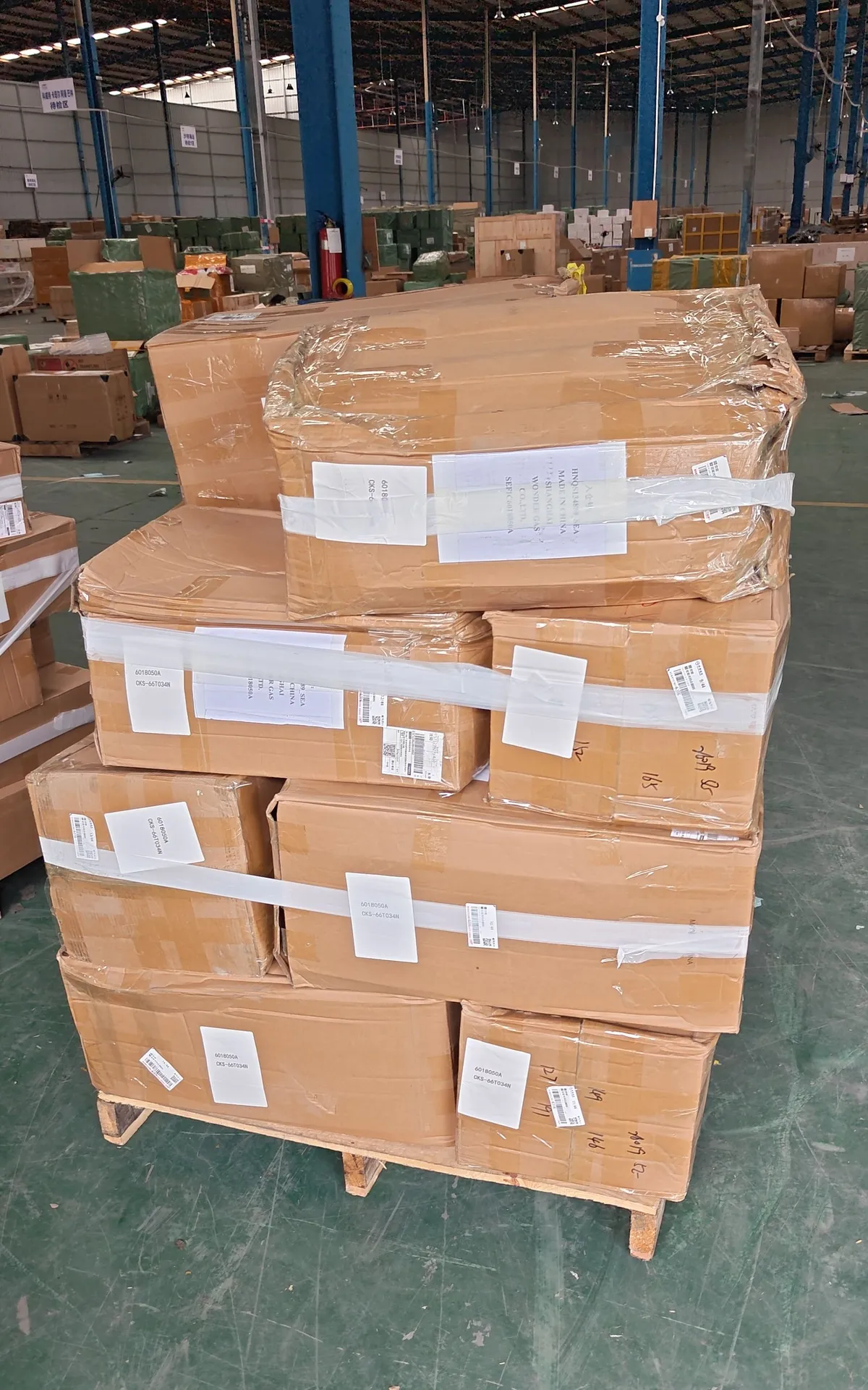
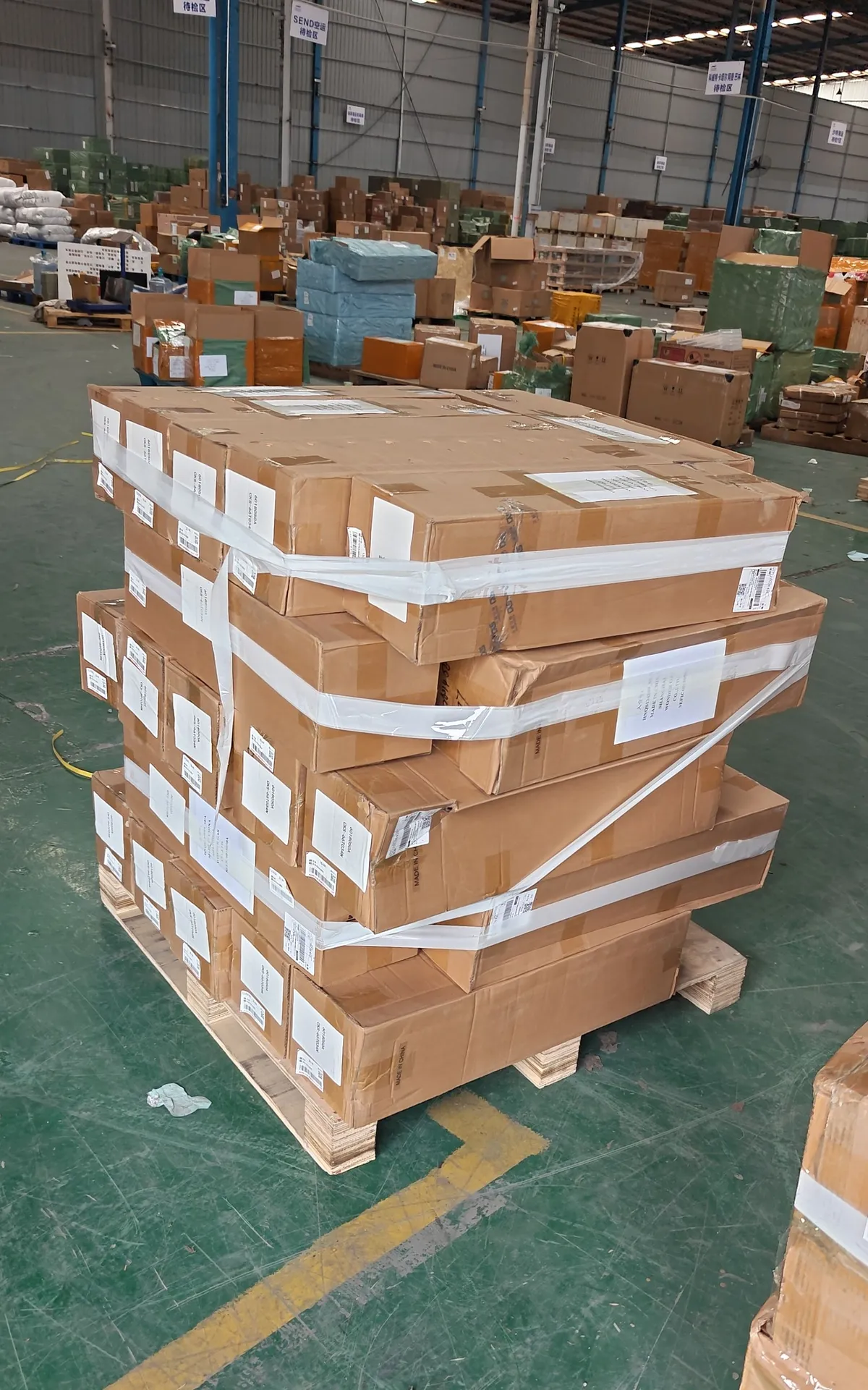
The cylinders were packed in individual cartons with the valve ends protected by caps and padding. The packaging was designed to protect the valve — the point most vulnerable to damage in handling — and to ensure the cylinders could not move against each other in transit. The cartons were consolidated onto a single air freight pallet.
Step 3 (cont.) — Export customs declaration
The export declaration was filed in Shenzhen. Carbon fiber composite cylinders are not restricted goods for export from China, and the declaration — commercial invoice, packing list, and the shipping documents — was cleared within one working day.
Step 4 — Airline acceptance and uplift
The cargo was tendered to the airline at Shenzhen with the completed dangerous goods documentation. The airline's acceptance process reviewed the declaration and the packaging before the cargo was uplifted. The shipment was booked on a direct service to the Middle East, avoiding the additional handling of a transshipment for a DG consignment.
Step 5 — Import clearance and delivery in Jeddah
On arrival in Jeddah, the cylinders moved through import customs with the customer's clearance agent handling the declaration. The cargo was delivered to the customer's facility in Jeddah.
Challenges Encountered
1. Dangerous goods classification of empty pressure vessels
The central challenge was determining and documenting the correct classification of the empty cylinders. Carbon fiber composite cylinders with valves are pressure receptacles, and airlines require them to be shipped under the appropriate provisions of the IATA Dangerous Goods Regulations. Getting this wrong — under-declaring the cargo, or missing a required element of the declaration — would have resulted in the cargo being rejected by the airline or, worse, an incident in transit.
2. Valve integrity in handling
The valve is the critical component of an empty cylinder. A damaged valve compromises the cylinder's integrity and could make it a hazard if the cylinder were later filled. Protecting the valve through the air freight handling chain was a packaging and loading requirement, not just a precaution.
3. Airline acceptance scrutiny
Airline acceptance of pressure receptacles involves a review of the dangerous goods documentation and, in some cases, the cargo itself. The acceptance could not be assumed; the documentation had to be complete and the packaging had to visibly match the declaration.
How We Solved Them
For the dangerous goods classification:
The classification was determined before booking, based on the manufacturer's confirmation of the internal condition. The relevant provisions for empty pressure receptacles were applied, and the shipper's declaration for dangerous goods was prepared with the cylinder specification, the valve condition, the internal pressure verification, and the packaging detail. The documentation was reviewed against the airline's requirements before the cargo was tendered, so that acceptance was a formality rather than an unknown.
For valve integrity:
Each cylinder's valve was capped and padded before packing. The cartons were packed so the cylinders could not move against each other, with the valve ends oriented away from the carton walls. On the pallet, the cartons were shrink-wrapped and strapped to prevent movement during handling.
For airline acceptance:
The cargo was tendered with the complete dangerous goods documentation, and the booking was made on a direct service to avoid the additional handling scrutiny and risk of a transshipment. The airline's acceptance was completed at origin, before the cargo left Shenzhen, so there was no risk of a last-minute rejection at a transfer point.
Final Timeline
| Milestone | Date |
|---|---|
| Dangerous goods classification review | July 21 |
| Cargo packed and palletized, Shenzhen | July 22 |
| Export customs declaration | July 22 |
| Airline acceptance confirmed | July 23 |
| Departure Shenzhen | July 23 |
| Arrival Jeddah (via direct service) | July 24 |
| Import customs clearance | July 25 |
| Delivery to customer facility, Jeddah | July 25 |
Total door-to-door transit time: 4 days
Final Cost
The total cost for this shipment was approximately $1,120, broken down as follows:
- Air freight (200 kg chargeable × $4.2/kg, Shenzhen → Jeddah): ~$840
- Dangerous goods documentation and review: ~$65
- Airport handling and palletization (Shenzhen): ~$85
- Export customs clearance: ~$35
- Destination clearance and broker fees (Jeddah): ~$70
- Delivery to customer facility in Jeddah: ~$25
The customer settled the main freight and origin charges through DTFU Logistics; destination-side charges were coordinated through their local clearance agent.
Air freight rates on this routing fluctuate with fuel prices and available capacity. The figure above reflects the spot rate at the time of booking (July 2026).
Customer Review
"The cylinders needed to be handled correctly for air freight, and that was done properly — the dangerous goods declaration was complete and the airline accepted the cargo without issue. The valves arrived intact, and the cylinders were in good condition on delivery."
— The customer's procurement manager, Jeddah
Lessons Learned
-
Empty pressure vessels still need a dangerous goods classification review. Whether a cylinder ships as DG or as non-dangerous cargo depends on its internal condition, and the decision must be made and documented before booking. Assumption is not an acceptable basis for air freighting pressure receptacles.
-
The valve is the cargo's weak point. An empty cylinder is only as good as its valve. Capping, padding, and orienting the valve end away from the carton wall is a cheap precaution that protects the cylinder's future usability.
-
Tendering DG cargo with complete documentation turns acceptance into a formality. Reviewing the declaration against the airline's requirements before tendering, and confirming acceptance at origin, removes the risk of a rejection at a transfer point.
-
Direct routing is worth it for DG. The extra handling of a transshipment is more risk and more scrutiny for a DG consignment. A direct service, even at a modest rate premium, is the safer choice.