Customer Background
The customer is an e-commerce seller and wholesale distributor based in Riyadh, Saudi Arabia, specializing in home and bedding products. Their business sells through both online marketplaces and wholesale channels, importing bedding from Chinese suppliers and delivering to customers across the kingdom.
This order covered buckwheat foam pillows — pillows combining buckwheat filling with memory foam — sourced from a supplier in the Yiwu area. The customer's requirement was a complete door-to-door service: pickup in Yiwu, ocean freight, import clearance in Saudi Arabia, and delivery to their warehouse in Riyadh. This was a DDP (Delivered Duty Paid) shipment.
Cargo Information
| Item | Detail |
|---|---|
| Commodity | Buckwheat foam pillows (bedding) |
| Mode | Sea freight, DDP (Delivered Duty Paid) |
| Origin | Yiwu, China |
| Destination | Riyadh, Saudi Arabia (inland, via Jeddah) |
| Incoterm | DDP |
| Gross weight | Approx. 7,800 kg |
| Volume | Approx. 24 CBM |
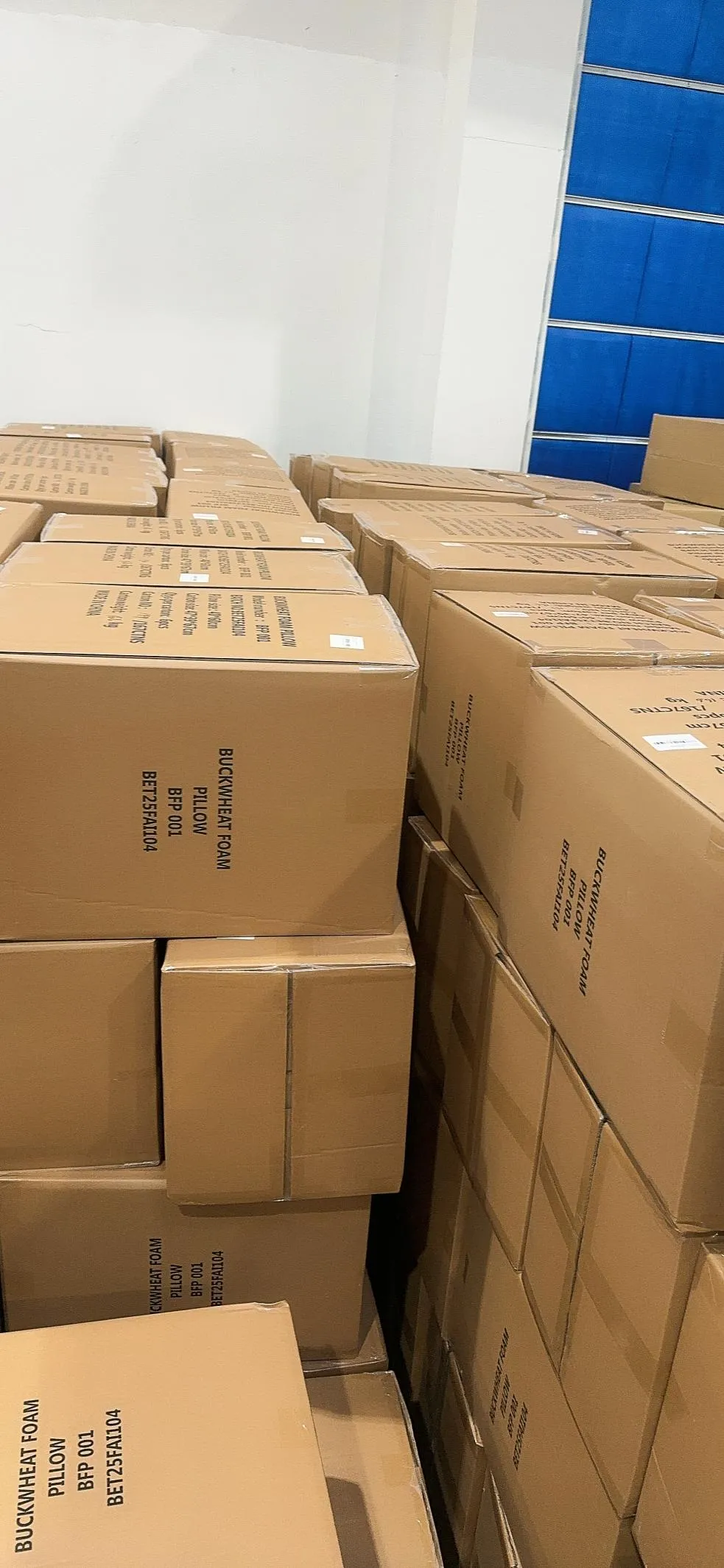
The cargo consisted of buckwheat foam pillows in export cartons, loaded onto pallets. Pillows are bulky but light — the cargo occupies a full LCL volume for its weight. The shipment was consolidated at a warehouse in Yiwu before moving to the port.

Why This Shipping Method
The customer chose DDP because they wanted a single, predictable cost with no involvement in the import side. As an e-commerce business scaling its Saudi operations, they did not have the in-house capability to manage import clearance, VAT payment, or inland delivery — those steps were exactly the part of the process they wanted handled.
Under DDP, the forwarder takes responsibility for the full chain: pickup in Yiwu, export clearance, ocean freight to Jeddah, import clearance in Saudi Arabia, payment of duties and VAT, and final delivery to the customer's warehouse in Riyadh. The customer receives a single delivered price and is responsible only for receiving the goods at the destination.
Sea freight was the appropriate mode for the volume. The ~24 CBM of pillows would not justify a full container economically, so the cargo was shipped as LCL (less than container load), consolidated with other cargo on the Jeddah lane.
Shipping Process
Step 1 — Pickup and consolidation in Yiwu
The pillows were collected from the supplier in Yiwu and taken to a consolidation warehouse. The cartons were palletized and shrink-wrapped for stable handling through the LCL chain. As a bedding product, the cargo required clean, dry handling — moisture protection was applied at the pallet level.
Step 2 — Export customs declaration
The export declaration was filed for the LCL consignment. Buckwheat foam pillows are not restricted for export from China. The commercial invoice, packing list, and declaration were submitted and cleared without issue.
Step 3 — Ocean freight (LCL)
The consolidated cargo was loaded into a container at the departure port and shipped to Jeddah Islamic Port. The transit time was approximately 20 days. At Jeddah, the LCL consignment was deconsolidated at the destination warehouse.
Step 4 — Import clearance, duties, and VAT
The import declaration was filed in Saudi Arabia. As a DDP shipment, the duty and the 15% VAT were paid as part of the delivered service. The bedding product's certification status was confirmed as part of the clearance — Saudi Arabia requires SABER registration for certain textile products, and the necessary certificates were verified before the shipment reached Jeddah.
Step 5 — Inland delivery to Riyadh
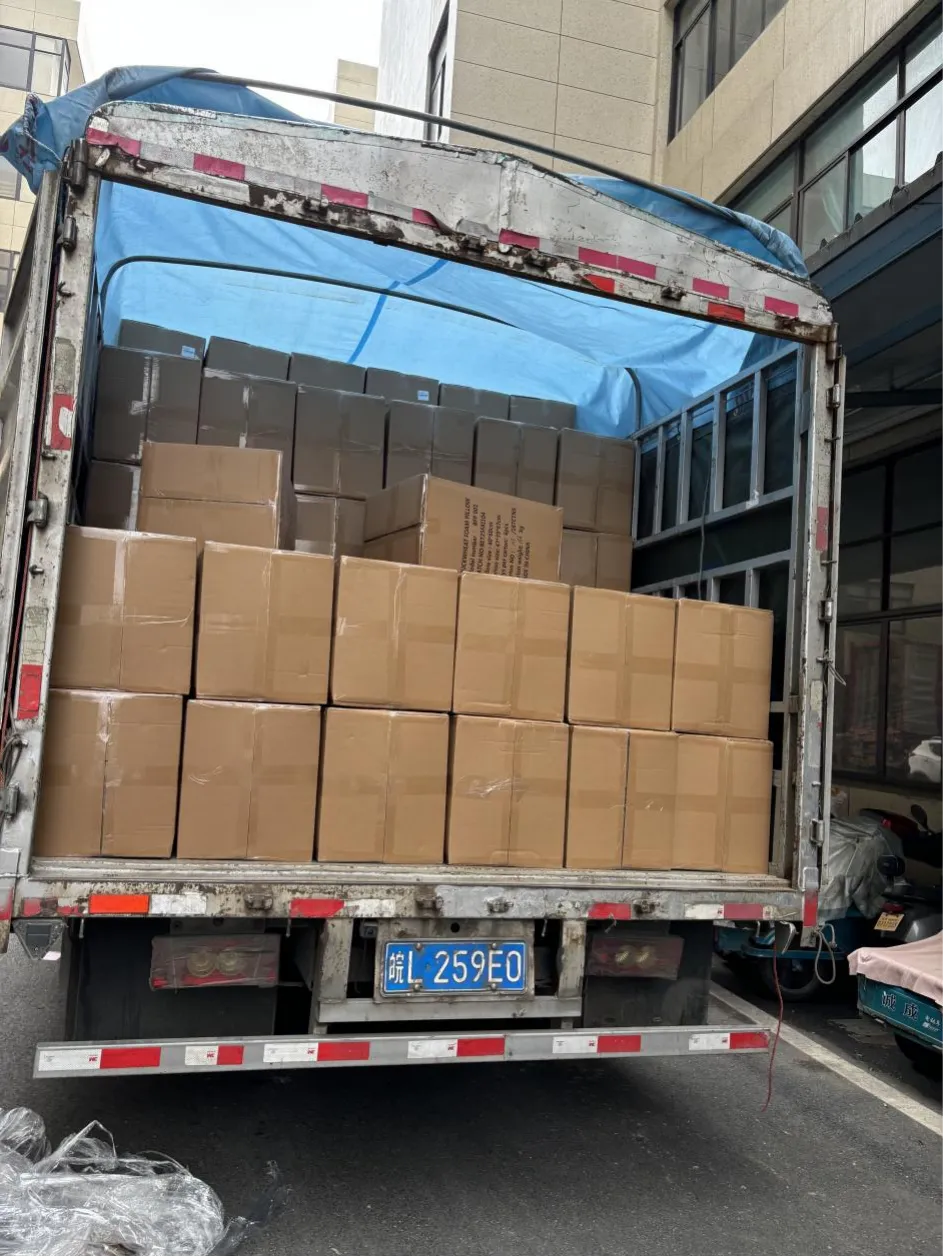
After clearance, the pillows were trucked from Jeddah to Riyadh, a distance of approximately 950 km. The inland leg was arranged as a groupage delivery, and the goods were delivered to the customer's warehouse in Riyadh.
Challenges Encountered
1. SABER certification for bedding
Saudi Arabia applies SABER (Saudi Product Safety Programme) requirements to certain product categories, including textiles and bedding. The buckwheat foam pillows needed the correct product certificate (PC) and shipment certificate (SC) before import clearance could be completed. As a DDP shipment, this responsibility sat with the forwarder — a failure to manage it would hold the cargo at Jeddah at the forwarder's cost.
2. The inland leg to Riyadh
Riyadh is an inland city, approximately 950 km from Jeddah. The inland delivery added time and cost to the shipment, and it needed to be arranged as a groupage trucking operation to keep the per-unit cost manageable for a cargo that is bulky and light.
3. Moisture protection for a soft cargo
Pillows are vulnerable to moisture and compression during an LCL chain that involves multiple handling steps and deconsolidation. The cargo needed protection at the pallet level and careful handling through the transit.
How We Solved Them
For the SABER certification:
The certification requirement was identified before the shipment departed. The supplier's product certificate (PC) for the pillows was verified, and the shipment certificate (SC) was applied for and issued before the cargo reached Jeddah. The certificates were included with the import documentation, so clearance was completed on the first attempt with no hold.
For the inland leg:
The Riyadh delivery was arranged as a groupage trucking movement, consolidating the pillows with other Riyadh-bound cargo to share the inland freight cost. The delivery was scheduled to arrive at the customer's warehouse within 2–3 days of clearance, and the customer was given the delivery window in advance.
For moisture protection:
The pallets were shrink-wrapped with a moisture barrier at the Yiwu warehouse, and the cartons were handled to avoid direct floor contact at the consolidation and deconsolidation points. The cargo arrived dry and uncompressed.
Final Timeline
| Milestone | Date |
|---|---|
| Pickup in Yiwu, consolidation | July 15 |
| Palletization and shrink-wrap | July 15 |
| Export customs declaration | July 16 |
| Vessel departure from port | July 18 |
| Arrival Jeddah Islamic Port | August 7 |
| Deconsolidation at Jeddah | August 8 |
| Import clearance, duties and VAT paid | August 10 |
| Inland trucking Jeddah → Riyadh | August 10–12 |
| Delivery to customer warehouse, Riyadh | August 12 |
Total door-to-door transit time: 28 days
Final Cost
The total DDP cost for this shipment was approximately $1,680, broken down as follows:
- Pickup and consolidation in Yiwu: ~$120
- Export customs clearance: ~$60
- Ocean freight (LCL, ~24 CBM): ~$540
- SABER certification (PC verification and SC): ~$160
- Import clearance and broker fees (Jeddah): ~$180
- Import duty and 15% VAT: ~$320
- Inland trucking Jeddah → Riyadh: ~$300
The customer was quoted and charged a single DDP price covering the entire chain from pickup in Yiwu to delivery in Riyadh. Import duty and VAT are included in the DDP price; the exact duty and VAT amount depends on the classification and value declared, and is paid as part of the delivered service.
Ocean freight rates on the China–Jeddah lane fluctuate with season and vessel utilization. The figures above reflect the rate at the time of booking (July 2026).
Customer Review
"We wanted one price and no involvement in the import process, and that is what DDP gave us. The pillows cleared customs without delay — the certificates were in place — and were delivered to our Riyadh warehouse as a single drop. We knew the total cost before the goods left China."
— The customer's procurement manager, Riyadh
Lessons Learned
-
DDP shifts the import risk to the forwarder, and the certification is the crux. For bedding into Saudi Arabia, SABER registration is a real gate. Verifying the PC before departure and issuing the SC before the vessel arrives keeps a DDP shipment moving — and keeps the delivered price honest.
-
The inland leg is where an inland-city DDP is won or lost. Riyadh's distance from the port is a real cost and a real schedule item. Groupage trucking keeps the per-unit cost down, and scheduling the delivery window in advance keeps the customer's operation running.
-
Soft cargo needs moisture and compression protection through an LCL chain. Pallets shrink-wrapped with a moisture barrier, and cartons kept off the warehouse floor, protect a bulky, light cargo through the multiple handling steps of an LCL transit.
-
A single DDP price is a genuine value for scaling e-commerce sellers. The customer bought predictability and the elimination of import logistics complexity. Delivering that reliably is what a DDP service is worth.