Customer Background
The customer is a mid-sized auto parts importer and distributor based in Jeddah, Saudi Arabia. They have been operating in the Saudi automotive aftermarket for over eight years, supplying replacement parts to workshops, retail stores, and smaller distributors across the western region of the kingdom. Their product range covers both Japanese and American vehicle models, which are among the most common in the local market.
Prior to working with DTFU Logistics, the customer had been using a different freight forwarder for their China imports. They approached us through a referral, looking for a more responsive service and better communication throughout the shipping process.
Cargo Information
| Item | Detail |
|---|---|
| Commodity | Auto spare parts — bumper parts, clutch parts, brake parts |
| Container type | 1 × 20GP (Full Container Load) |
| Origin | Chongqing, China |
| Destination | Jeddah, Saudi Arabia |
| Incoterm | FOB Chongqing |
| Gross weight | Approx. 8,600 kg |
| Volume | Approx. 22 CBM |
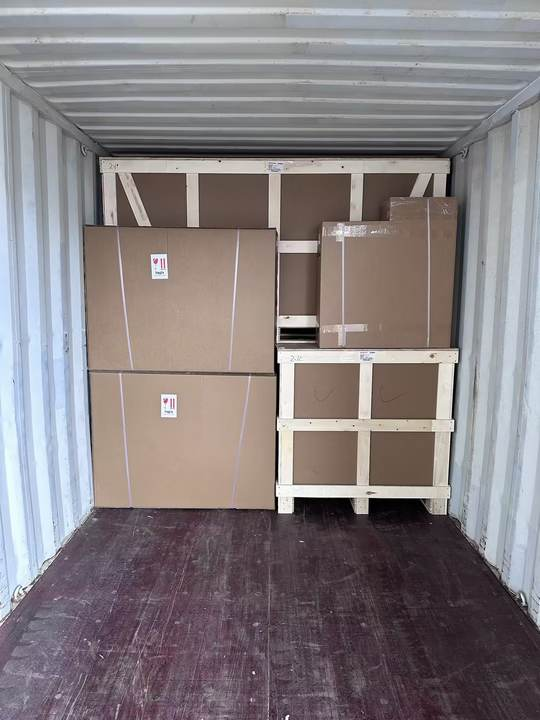
The cargo consisted of mixed auto parts from multiple suppliers in the Chongqing area. Bumper parts were mostly plastic and fiberglass assemblies, clutch parts included pressure plates and disc sets, and brake parts covered pads, drums, and rotors. These were consolidated at a warehouse in Chongqing before being loaded into the container.
Why This Shipping Method
The customer evaluated two options: LCL (less than container load) and a full 20GP container. Given the total volume was roughly 22 CBM, a 20GP container (usable capacity ~25–26 CBM) was the more cost-effective choice. LCL would have incurred higher per-CBM rates plus additional handling fees and consolidation delays at the transshipment port.
Sea freight was the natural choice for this shipment. Auto parts are dense, heavy, and non-urgent by nature — there was no commercial justification for air freight, which would have cost roughly 6–8 times more for this weight bracket.
The route from Chongqing to Jeddah typically involves trucking the container from Chongqing to a coastal port (usually Shanghai or Ningbo), then a direct or transshipment vessel service to Jeddah Islamic Port.
Shipping Process
Step 1 — Supplier coordination and cargo collection
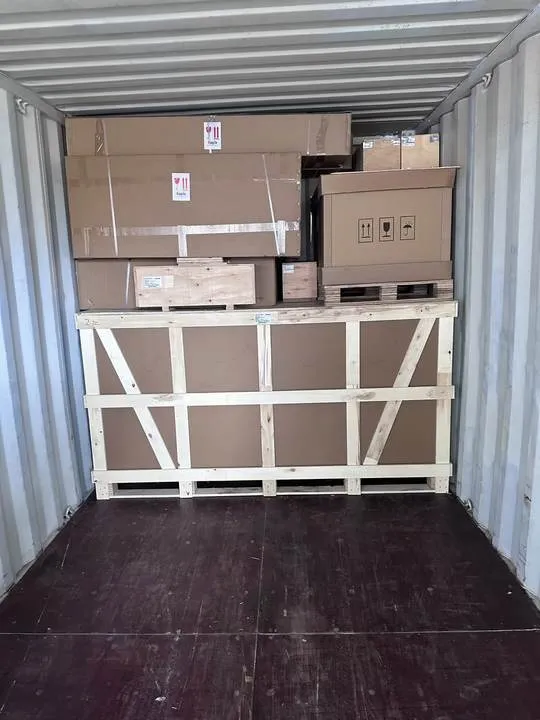
The customer worked with three separate suppliers in Chongqing. We arranged for all goods to be delivered to a local consolidation warehouse, where they were inspected, sorted, and packed before loading. The warehouse team verified that packaging was adequate for ocean transit — original cartons for most items, with additional stretch wrap applied where needed.
Step 2 — Container loading and trucking to departure port
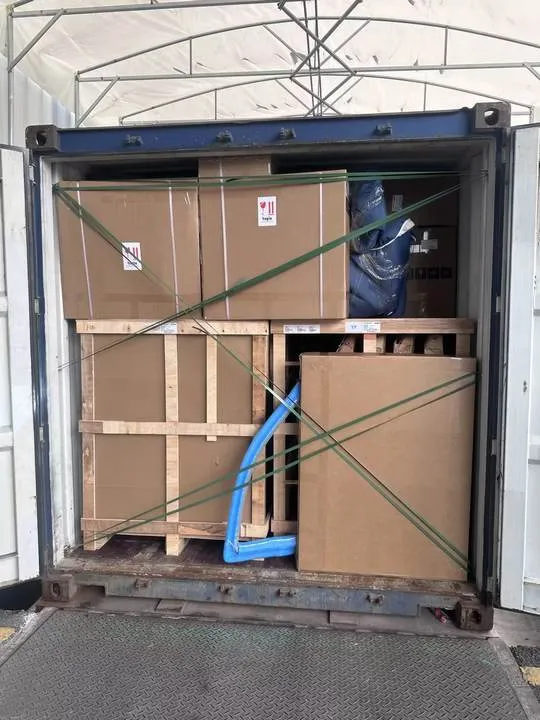
Loading took approximately half a day. The 20GP container was packed with attention to weight distribution — the heavier brake rotors and drums were placed at the bottom and toward the front, with lighter bumper parts stacked above. The container was then trucked from Chongqing to Ningbo, a journey of about 1,700 km taking roughly 2 days by road.
Step 3 — Export customs clearance
Export customs clearance was handled in Ningbo. The documentation included the commercial invoice, packing list, and bill of lading. Since auto parts are not restricted goods for export from China, the process was straightforward — clearance was granted within one working day.
Step 4 — Ocean freight
The vessel departed Ningbo and sailed to Jeddah Islamic Port via a transshipment stop at Port Klang, Malaysia. Total transit time was approximately 19 days from the vessel's departure to arrival at Jeddah.
Step 5 — Destination clearance and delivery
Upon arrival in Jeddah, the container underwent Saudi customs inspection. The customer's customs broker handled the import declaration using the pre-arranged documentation. The container was deconsolidated at the port, and the goods were transferred to the customer's warehouse in Jeddah's industrial area.
Challenges Encountered
Two issues came up during this shipment — neither major, but both worth noting.
1. Packaging inconsistency across suppliers
One of the three suppliers shipped their clutch parts in standard single-wall cartons that were not sufficiently reinforced for ocean freight. A few cartons showed signs of compression stress after the inland trucking leg from Chongqing to Ningbo. This could have led to damaged goods if left unaddressed.
2. Missing HS code detail on initial documentation
The initial commercial invoice prepared by one supplier listed an overly generic HS code for the brake parts. Saudi Customs can be particular about the classification of automotive components, especially brake-related items which fall under specific regulatory categories. The risk was a potential delay in customs clearance if the code was challenged.
How We Solved Them
For the packaging issue:
During the warehouse consolidation in Chongqing, our operations team identified the weaker cartons and re-packaged them into double-walled boxes. Additional foam padding was added between layers of clutch discs and pressure plates to prevent metal-on-metal contact during transit. The affected cartons were also repositioned to the middle of the container stack, away from the container walls where the most vibration occurs.
For the HS code issue:
Before the shipment documents were submitted for export customs, we cross-checked the HS codes provided by the supplier against Saudi Arabia's Customs Tariff schedule. We identified that the brake parts should fall under a more specific sub-heading. The commercial invoice was revised with the correct 8-digit HS code, and the updated documents were shared with the customer's Saudi customs broker in advance. This allowed the broker to pre-lodge the declaration, and clearance in Jeddah was completed without any queries.
Final Timeline
| Milestone | Date |
|---|---|
| Goods arrived at Chongqing warehouse | January 8 |
| Container loading completed | January 9 |
| Trucking Chongqing → Ningbo | January 9–11 |
| Vessel departure from Ningbo | January 14 |
| Transshipment at Port Klang | January 20–21 |
| Arrival at Jeddah Islamic Port | February 2 |
| Saudi customs clearance completed | February 4 |
| Delivery to customer warehouse | February 5 |
Total door-to-door transit time: 28 days
Final Cost
The total cost for this shipment was approximately $3,800, broken down as follows:
- Inland trucking (Chongqing → Ningbo): ~$520
- Ocean freight (Ningbo → Jeddah, 1×20GP): ~$1,850
- Container loading and warehouse handling: ~$280
- Export customs clearance fees: ~$150
- Destination customs clearance and broker fees: ~$400
- Terminal handling charges (Jeddah): ~$350
- Delivery to warehouse in Jeddah: ~$250
The customer paid the ocean freight, inland trucking, and export-side charges directly to DTFU Logistics. The destination-side charges were settled through their local broker, who coordinated with our network agent in Jeddah.
Note that ocean freight rates fluctuate frequently. The above figures reflect the rate at the time of booking (January 2026). Rates for the same route can vary depending on the season, vessel utilization, and fuel costs.
Customer Review
"The communication was clearer than what we had before. We knew where the container was at each step. The packaging issue was handled at origin without us having to chase anyone. The shipment arrived at our warehouse in about four weeks, which is what we expected. We will use DTFU again for the next order."
— The customer's procurement manager, Jeddah
Lessons Learned
Several takeaways from this shipment that apply to future auto parts moves from China to Saudi Arabia:
-
Packaging quality varies significantly between Chinese suppliers, especially smaller ones. Origin inspection and re-packaging are well worth the cost for preventing damage claims. For future shipments with the same suppliers, we have recommended standardized packaging specifications.
-
HS code accuracy matters. A generic code might clear export, but it can cause delays at Saudi import clearance. Getting the code right before the documents are issued saves time and avoids storage charges at Jeddah port.
-
Consolidation before loading made a noticeable difference. By having all goods inspected and sorted at a single warehouse before container loading, we caught both the packaging and documentation issues before they became problems. This step added one day to the timeline but prevented what could have been weeks of delays.
-
The Chongqing → Ningbo inland leg adds about 5–7 days to the overall timeline. Customers using suppliers in inland Chinese cities should factor this into their planning. For time-sensitive shipments, routes via Shenzhen or Guangzhou could be alternatives if the suppliers can deliver to those ports directly.