Customer Background
The customer is an East Coast cycling-parts distributor that supplies bike shops across the mid-Atlantic and Northeast. Their catalog includes a private-label saddle line carried across several sizes and rail patterns, replenished in rolling orders as shop stock runs down.
This shipment was a stock replenishment order too small for a full container. The volume of seats on hand at the time of booking sat well below the break-even point where an FCL move becomes economical, and the customer needed the goods on the warehouse floor in time for the summer service season rather than on a vessel schedule that a full container would have dictated.
Cargo Information
| Item | Detail |
|---|---|
| Commodity | Bicycle seats (saddles, light-bulky) |
| Mode | Sea freight LCL |
| Origin | Shenzhen, China |
| Destination | Washington, D.C., United States |
| Gross weight | 1,300 kg |
| Volume | 7 CBM |
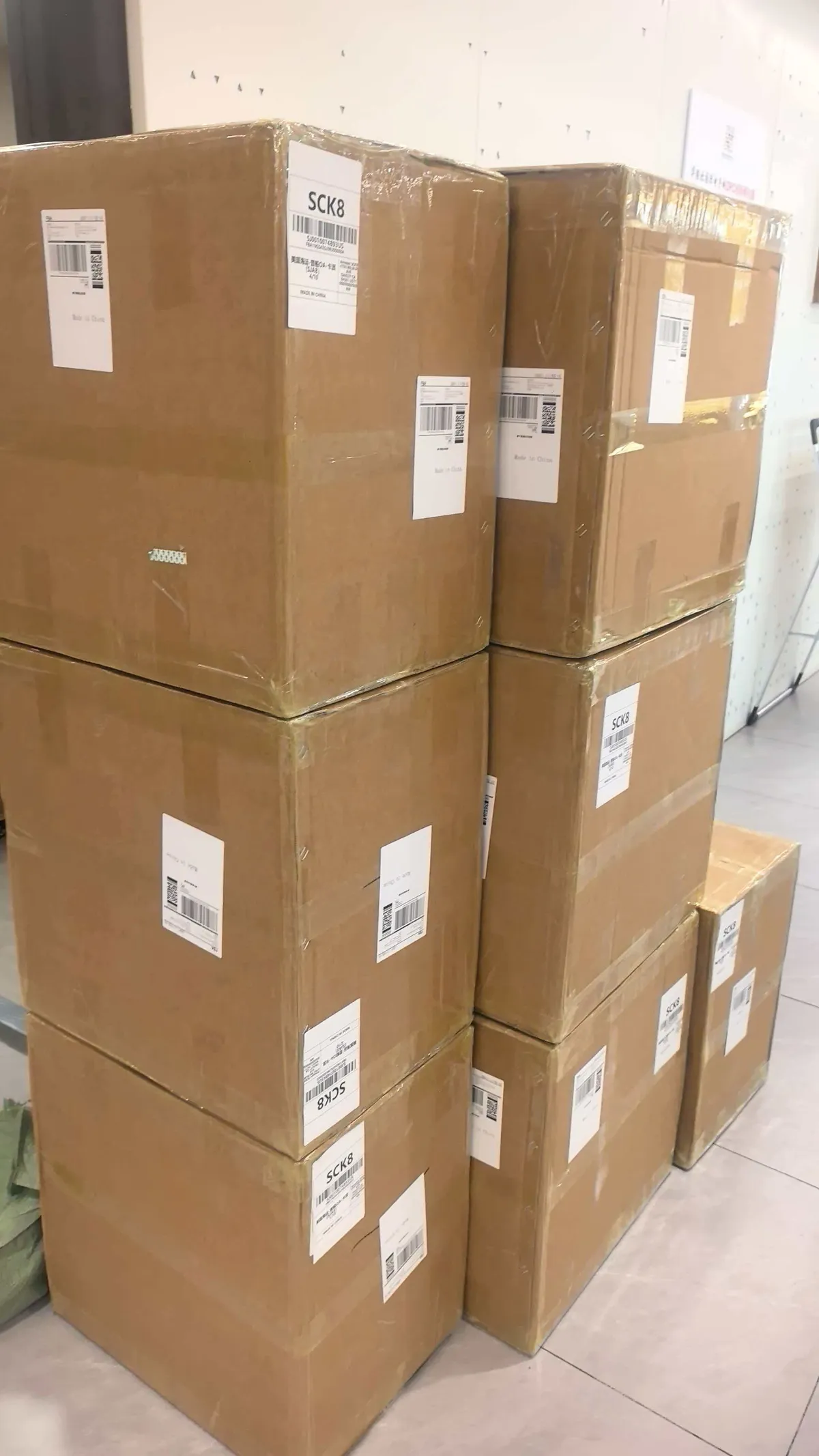
The shipment comprised bicycle seats across several SKUs, packed in individual cartons. The cargo is light-bulky: a gross weight of 1,300 kg against 7 CBM gives a load density of roughly 186 kg/CBM, well below the point where weight would limit an LCL lot. The chargeable amount for this consignment was therefore governed by volume, not by weight.
Why This Shipping Method
LCL consolidation was selected over a full-container move on the basis of the cost model. At 7 CBM, a 20GP full container would have carried roughly 21 CBM of unused space against a usable volume of about 28 CBM. The LCL cost model — a per-CBM freight charge plus origin handling, destination handling, and a truck leg — priced only the occupied volume, which made it the materially cheaper option for a replenishment lot of this size.
The routing was dictated by the destination. Washington, D.C. has no seaport, so the container discharged at the Port of Baltimore on the all-water East Coast service from Shenzhen, and the final leg into D.C. was a short truck move. The all-water service carried a transit time of approximately 28 days ocean, longer than a West Coast-plus-rail alternative, but the LCL cargo did not justify the modal premium of an inland rail leg, and the Baltimore discharge removed an additional handling step.
The Section 301 exposure on the bicycle-accessory line was reviewed during the costing stage. The goods fall within the scope of List 4A of the Section 301 tariffs on products of Chinese origin; the applicable duty is collected separately at entry and was factored into the landed-cost figure quoted to the customer rather than left out of the comparison against a full container.
Shipping Process
Step 1 — Cargo collection and LCL consolidation (Shenzhen)
The seat cartons were collected from the supplier and brought to the LCL consolidation warehouse in Shenzhen. The consignment was inspected against the packing list and staged as a dedicated lot within the consolidation.
Step 2 — Palletization and volume control
The light cartons were banded onto a single pallet, stacked to keep the footprint as compact as possible, and shrink-wrapped. Because the LCL charge is volume-based, the pallet was kept within the 7 CBM planned at booking; the gross weight of 1,300 kg sat far below the pallet weight limit, so the constraint was cube, not payload.
Step 3 — Export customs clearance (Shenzhen)
The commercial invoice, packing list, and export declaration were filed through the China Customs single window. The bicycle-accessory line was declared consistently across the export documentation so that the HTS code matched what would later be filed on the U.S. side. The declaration cleared the same day.
Step 4 — Ocean freight (Shenzhen → Baltimore)
The consolidated pallet was co-loaded with other shippers' LCL cargo into a shared container and loaded onto an all-water East Coast service at Shenzhen. The ocean transit to the Port of Baltimore took approximately 28 days.
Step 5 — U.S. clearance and terminal handling (Baltimore)
The container was de-vanned at the Baltimore terminal, and this consignment was separated from the co-loaded cargo. U.S. customs clearance was processed through the entry filed at Baltimore, which also served as the first U.S. port of arrival for the ISF.
Step 6 — Truck drayage (Baltimore → Washington, D.C.)
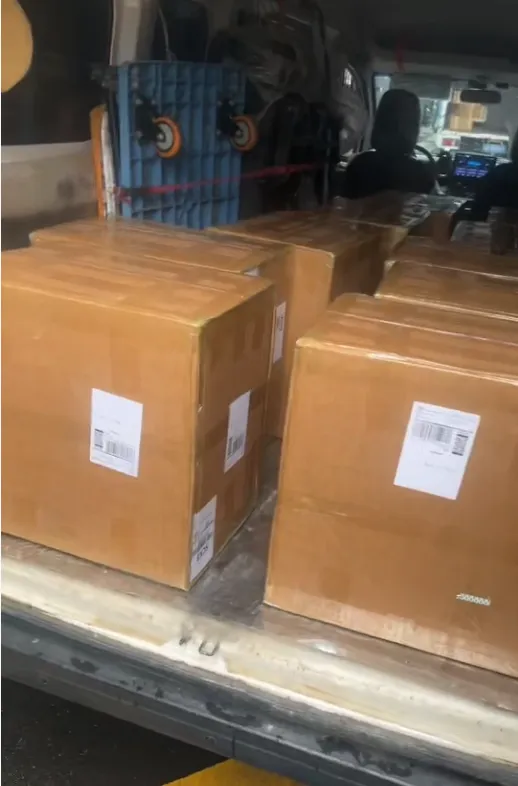
The pallet was transferred to a truck and moved the final leg from Baltimore to the customer's warehouse in Washington, D.C. The pallet was received intact, with the carton count matching the packing list.
Challenges Encountered
1. LCL consolidation economics and the volume-based charge
The entire LCL cost structure turns on the chargeable volume. Because bicycle seats are light-bulky, any slack in the packing — loosely stacked cartons, an oversized pallet footprint, or empty space inside the cartons — inflates the CBM and directly raises the freight line. For a replenishment order, the freight saving versus an FCL was the reason for choosing LCL, and that saving only holds if the CBM booked is the CBM shipped.
2. Inland delivery to a seaport-less capital via Baltimore
Washington, D.C. is not a seaport city. The destination could only be served by discharging at a neighboring gateway port and completing the move by truck. The choice of Baltimore versus other East Coast ports affected both the ocean transit time and the cost and reliability of the final truck leg.
3. Co-loading compatibility with other LCL cargo in the consolidation
As a co-loaded lot, the seats shared container space with other shippers' cargo. Light-bulky goods of this type are exposed to two compatibility risks: compression from heavier co-loaded cargo stacking on top, and contamination from odorous or damp goods sharing the same container for the full ocean transit.
How We Solved Them
For the volume-based charge:
The cartons were banded onto a single pallet and stacked to the minimum practical footprint, and the pallet was shrink-wrapped to hold the stack in place during handling. The chargeable volume was held at the 7 CBM booked, and the LCL rate was quoted per CBM ($28/CBM) so the customer could reconcile the freight line against the volume actually shipped. The same 7 CBM figure was carried through the consolidation records and the destination charges.
For the seaport-less destination:
The routing was set through the Port of Baltimore, the closest all-water gateway to Washington, D.C. Terminal handling at Baltimore was arranged with the consignment separated from co-loaded cargo, and the truck leg from Baltimore into D.C. was booked as a short drayage rather than a long-haul line. The ISF and entry were filed with Baltimore as the first U.S. port of arrival, which kept the two declarations consistent.
For co-loading compatibility:
The consignment was screened before stuffing: the seats are a dry, clean, non-odorous cargo with no leak or contamination risk, which made them suitable for sharing a container. The pallet was allocated to a position in the container where lighter cargo sat above and heavier co-loaded lots were kept clear of it, and the shrink-wrap provided crush protection for the light cartons during the ocean transit.
Final Timeline
| Milestone | Timing |
|---|---|
| Cargo collected, consolidation point (Shenzhen) | Day 1 |
| Palletization and export customs clearance (Shenzhen) | Day 2 |
| Vessel departure Shenzhen | Day 3 |
| Arrival Port of Baltimore | Day 31 |
| U.S. customs clearance and terminal handling | Day 31 |
| Truck Baltimore → Washington, D.C. | Day 32 |
| Delivery and unloading at customer warehouse | Day 32 |
Total door-to-door transit time: 32 days
Final Cost
| Item | Cost (USD) |
|---|---|
| Ocean LCL freight (7 CBM) | $196 |
| Origin handling and consolidation | $170 |
| ISF filing | $45 |
| U.S. clearance | $150 |
| Baltimore terminal handling | $160 |
| Truck Baltimore → Washington, D.C. | $280 |
| Total door-to-door | $1,001 |
Note: the LCL freight line reflects a rate of approximately $28/CBM applied to the 7 CBM chargeable volume. Figures reflect the July 2026 spot rates for this shipment and vary with season, fuel surcharge, and carrier capacity. Section 301 List 4A duty on the bicycle-accessory line is collected separately at entry and was quoted to the customer as part of the landed-cost model.
Customer Review
"The shipment cleared at the quoted $1,001 door-to-door, and the volume charge came in on the 7 CBM we planned for. The seats arrived at the warehouse in Washington, D.C. 32 days after collection in Shenzhen, with the carton count matching the packing list and no damage to the pallet."
— The customer's logistics coordinator, Washington, D.C.
Lessons Learned
- For light-bulky cargo, volume governs the LCL charge, and packing design is the cost lever. Banding the cartons onto a single compact pallet held the chargeable CBM at the booked figure. Any slack in stacking would have flowed straight into the freight line.
- LCL economics only hold when the volume is kept at the booked level. The per-CBM model beat a full container at 7 CBM, but the comparison depends on the CBM shipped matching the CBM quoted. The 1,300 kg gross weight was not a factor; the 7 CBM was.
- A seaport-less destination is served through a neighboring gateway port. Routing through Baltimore with a short truck leg into Washington, D.C. delivered the final mile without the cost of a longer inland haul, and filing the ISF and entry at the first U.S. port of arrival kept the declaration chain consistent.
- Co-loading compatibility has to be screened before stuffing, not assumed. Dry, clean, non-odorous cargo co-loads cleanly, but the pallet position within the container still had to be arranged so heavier co-loaded lots could not compress the light cartons during the ocean transit.