Are you struggling with the complexities of importing goods into Africa? Door to Door shipping from China to Angola is often the most critical hurdle for businesses and importers. Between securing the mandatory CNCA certificate, navigating the strict regulations of Angola's AGT (Administração Geral Tributária), and avoiding hidden port fees, the process can quickly eat into your profit margins if not handled correctly. Drawing from our decade of hands-on experience managing hundreds of TEUs along the China-Africa corridor, this comprehensive guide breaks down the exact costs, transit times, and step-by-step procedures to ensure your cargo arrives safely at your final destination in Luanda without unexpected delays.
Quick Answer: What is Door-to-Door Shipping to Angola?
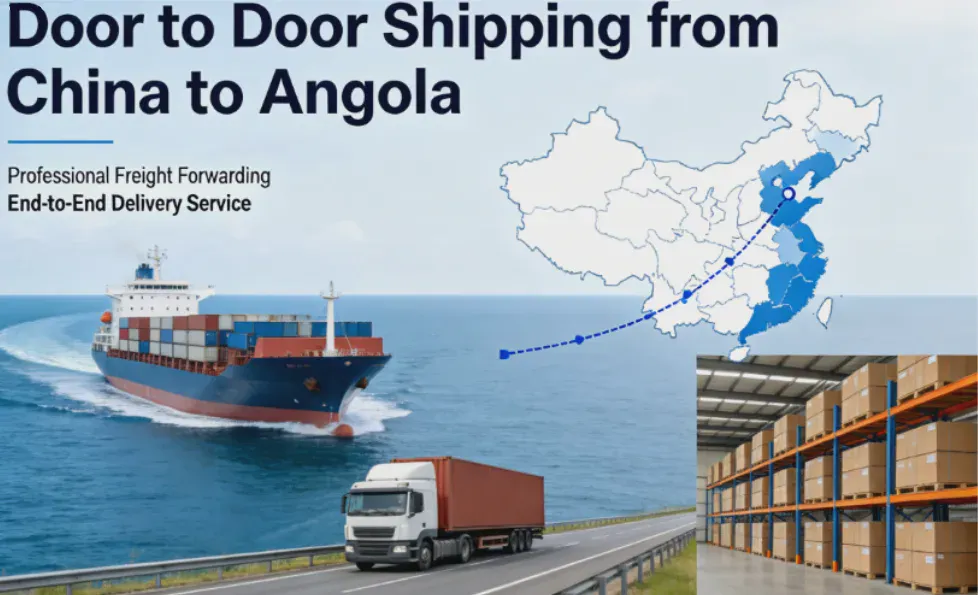
Door-to-door shipping to Angola is an all-inclusive logistics service where the freight forwarder handles the entire transport process from the supplier's factory in China directly to your specified address in Angola (e.g., Luanda). This service includes pickup, export clearance, ocean or air freight, Angola import customs clearance, and final inland delivery. When shipped under DDP (Delivered Duty Paid) terms, it also includes all customs duties and taxes.
Why Choose Door-to-Door Delivery from China to Angola?
For many importers, the logistics infrastructure in Angola can present unique challenges. Opting for a door-to-door solution simplifies the supply chain and transfers the operational risk to experienced professionals.
Understanding DDP vs. DDU/DAP Shipping Terms
When booking door-to-door shipping, you generally choose between two Incoterms®:
- DDP (Delivered Duty Paid): The forwarder handles everything, including paying Angolan customs duties and taxes. You pay one upfront flat rate. This is ideal for e-commerce sellers or buyers who want zero surprises.
- DDU (Delivered Duty Unpaid) / DAP (Delivered at Place): The forwarder delivers the goods to your door, but you are responsible for paying the import taxes and duties directly to Angola Customs before the cargo is released.
Overcoming Angola Customs Challenges (And How We Solve It)
Angola’s customs regulations, enforced by the AGT, are notoriously strict and require the submission of a Documento Único (DU) for import clearance. In our daily operations, the most common challenges we see importers face include missing pre-shipment inspection documents or incorrect HS code classifications. These seemingly small errors often lead to massive demurrage charges at the Port of Luanda—sometimes costing thousands of dollars in delays. By using our door-to-door service, DTFU's dedicated local clearance team in Luanda preemptively audits all commercial documents against the AGT's tariff schedules before the ship even leaves China, ensuring a frictionless border crossing.
Air Freight vs. Sea Freight: Which is Best for You?
Choosing the right mode of transport depends entirely on your budget, cargo volume, and urgency.
Door-to-Door Sea Freight (FCL & LCL to Luanda)
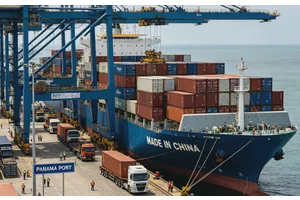
Sea freight is the workhorse of China-Angola trade.
- FCL (Full Container Load): Best for large shipments (over 15 CBM). You rent a dedicated 20ft or 40ft container. It's cost-effective and reduces the risk of damage.
- LCL (Less than Container Load): Ideal for smaller shipments (1-15 CBM). Your goods share a container with others. It's cheaper than FCL for small volumes but takes slightly longer due to consolidation and deconsolidation.
Door-to-Door Air Freight (Fastest to LAD Airport)
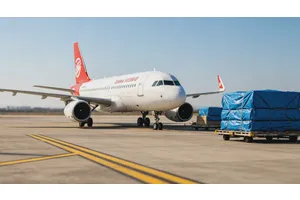
Air freight is routed primarily through Quatro de Fevereiro International Airport (LAD) in Luanda. It is best for high-value, perishable, or extremely urgent goods (like electronics, medical supplies, or project-critical machinery). While it is significantly more expensive, it cuts transit times from weeks to just a few days.
How Much Does Door-to-Door Shipping Cost? (2026 Rates)
Shipping costs fluctuate based on fuel prices, seasonality, and carrier capacity. Below are realistic market estimates for shipping from major Chinese ports (like Shenzhen, Guangzhou, or Shanghai) to Luanda, Angola.
Breakdown of Sea Freight Costs (20ft & 40ft Containers)
Disclaimer: Global freight markets are highly volatile. The figures below are accurate Q1 2026 baseline estimates for port-to-port ocean freight. True door-to-door services will add origin pickup, CNCA certification, customs clearance, and local Luanda delivery fees. Always request a real-time quote for your specific cargo.
| Container Type | Estimated Cost (USD) | Best For |
|---|---|---|
| 20ft Container (FCL) | $2,500 - $3,500 | Heavy goods, machinery, building materials |
| 40ft Container (FCL/HQ) | $3,500 - $4,800 | Bulky goods, large retail inventory |
| LCL (Per CBM) | $120 - $200 | Small shipments under 15 CBM |
Air Freight Rates per Kg (Express vs. Standard)
Air freight pricing is based on the greater of the actual weight or volumetric weight.
| Service Level | Estimated Cost per Kg (USD) | Delivery Time |
|---|---|---|
| Standard Air Freight | $5.50 - $8.00 | 5 - 8 Days |
| Express Courier (DHL/UPS) | $8.50 - $12.00 | 3 - 5 Days |
Hidden Fees to Watch Out For (CNCA Certificate & Tariffs)
When budgeting, never ignore the mandatory administrative costs:
- CNCA Certificate: A mandatory loading certificate for all shipments to Angola. Costs range from $150 to $300 depending on the cargo volume.
- Import Tariffs & VAT: Angola imposes variable duties based on the HS code. Ensure your supplier provides accurate descriptions to avoid penalty reassessments.
Transit Times: How Long Does Shipping Take?
Time is money. Here is what you can expect when moving goods from China to Angola.
Sea Freight Delivery Times (Port to Door)
Sea freight is economical but requires planning.
- Port-to-Port (e.g., Shanghai to Luanda): 35 to 45 days.
- Door-to-Door Total Time: 45 to 55 days (accounting for pickup, customs clearance, and final truck delivery in Angola).
Air Freight Delivery Times (Airport to Door)
- Airport-to-Airport: 2 to 4 days.
- Door-to-Door Total Time: 5 to 9 days (including origin handling and destination clearance).
Step-by-Step Door-to-Door Shipping Process
At DTFU International Logistics, we've streamlined the process into four predictable steps:
Step 1: Cargo Pickup and Consolidation in China
We coordinate directly with your Chinese supplier to pick up the goods from their factory. If you have multiple suppliers, we consolidate the cargo in our warehouse (e.g., in Shenzhen or Yiwu) to save you money.
Step 2: Export Customs Clearance
Our team handles all Chinese export documentation, ensuring your goods leave the country legally and without delay. We also initiate the application for the Angolan CNCA certificate at this stage.
Step 3: International Transport (Sea/Air)
Your cargo is loaded onto the vessel or aircraft. We provide real-time tracking so you know exactly where your inventory is at all times.
Step 4: Angola Import Clearance & Final Delivery
Upon arrival in Luanda, our local agents manage the complex import clearance process, pay the necessary duties (if shipping DDP), and dispatch a truck to deliver the goods directly to your warehouse, store, or project site.
Essential Documents for Angola Customs
Missing documentation is the #1 cause of delays in African ports. Ensure you have the following:
The Importance of the CNCA (Conselho Nacional de Carregadores) Certificate
Every commercial shipment to Angola must be accompanied by a CNCA certificate. This electronic cargo tracking note (ECTN) must be applied for by the shipper or forwarder and strictly validated within 5 days of the vessel departing from China. In our experience, failing to secure and validate the CNCA on time is the fastest way to get your goods blocked at Luanda. Without it, the AGT will not allow customs clearance, and you will face severe fines (often doubling the cost of the certificate) and daily port holding fees.
Commercial Invoice, Packing List, and Bill of Lading
- Commercial Invoice: Must clearly state the value, description, and HS codes of the goods.
- Packing List: Details the weight, dimensions, and packaging type.
- Bill of Lading (B/L): The official receipt of cargo and contract of carriage.
Why Choose DTFU International Logistics?
Shipping to Africa requires specialized knowledge. Generic global forwarders often struggle with the nuances of Angolan customs.
Unmatched Expertise in African Trade Routes (A Proven Track Record)
With over 10 years of experience handling logistics exclusively for the China-Africa corridor, DTFU understands exactly how to navigate Luanda's port congestion and regulatory requirements. For example, we recently helped an infrastructure client in Angola reduce their heavy machinery import delays by 40% simply by preemptively classifying their HS codes and expediting their CNCA validation. We handle these critical details seamlessly so you can focus on your business.
Transparent Pricing with No Hidden Fees
We believe in 100% pricing transparency. When we quote a door-to-door DDP rate, it includes everything. No surprise port fees, no hidden document charges. Just reliable, stress-free shipping.
FAQs
How long does door-to-door sea freight take from China to Luanda?
Generally, door-to-door sea freight from China to Luanda takes between 45 and 55 days. This includes 35-45 days of ocean transit time, plus the time required for origin pickup, customs clearance, and final inland delivery.
What is the cheapest way to ship goods to Angola?
The cheapest shipping method is Sea Freight LCL (Less than Container Load) if your cargo is under 15 CBM, or FCL (Full Container Load) if you are shipping large volumes. Choosing a reliable forwarder to consolidate your goods in China will further reduce costs.
Do I need a CNCA certificate for door-to-door shipping?
Yes. The CNCA (Conselho Nacional de Carregadores) certificate is a mandatory requirement for all commercial shipments entering Angola, regardless of whether you use door-to-door, port-to-port, sea, or air freight.
Can you handle customs clearance for electronics in Angola?
Yes, we regularly handle customs clearance for electronics. Electronics often require specific HS code classifications and may be subject to different tariff rates. Our local team in Luanda ensures compliance with all regulations.
Are customs duties included in door-to-door shipping?
It depends on the Incoterm you select. If you choose Door-to-Door DDP (Delivered Duty Paid), all customs duties and taxes are included in your quote. If you choose DDU/DAP, you will need to pay the duties yourself upon arrival.