Customer Background
Importer: Nile Auto Parts Co. (a small automotive spare parts importer based in Alexandria, Egypt)
Mr. Hassan El-Masry, the owner of Nile Auto Parts, had been sourcing ignition coils through a trading intermediary in Dubai for years. The Dubai middleman added a 25–30% margin on every shipment, and lead times stretched to 45–50 days because goods first went China → Dubai → Alexandria — two legs instead of one.
After connecting with DTFU Logistics through an online trade forum, Hassan decided to try direct importing from Shenzhen. He needed a reliable but budget-friendly freight solution for a small volume that didn't justify a full container.
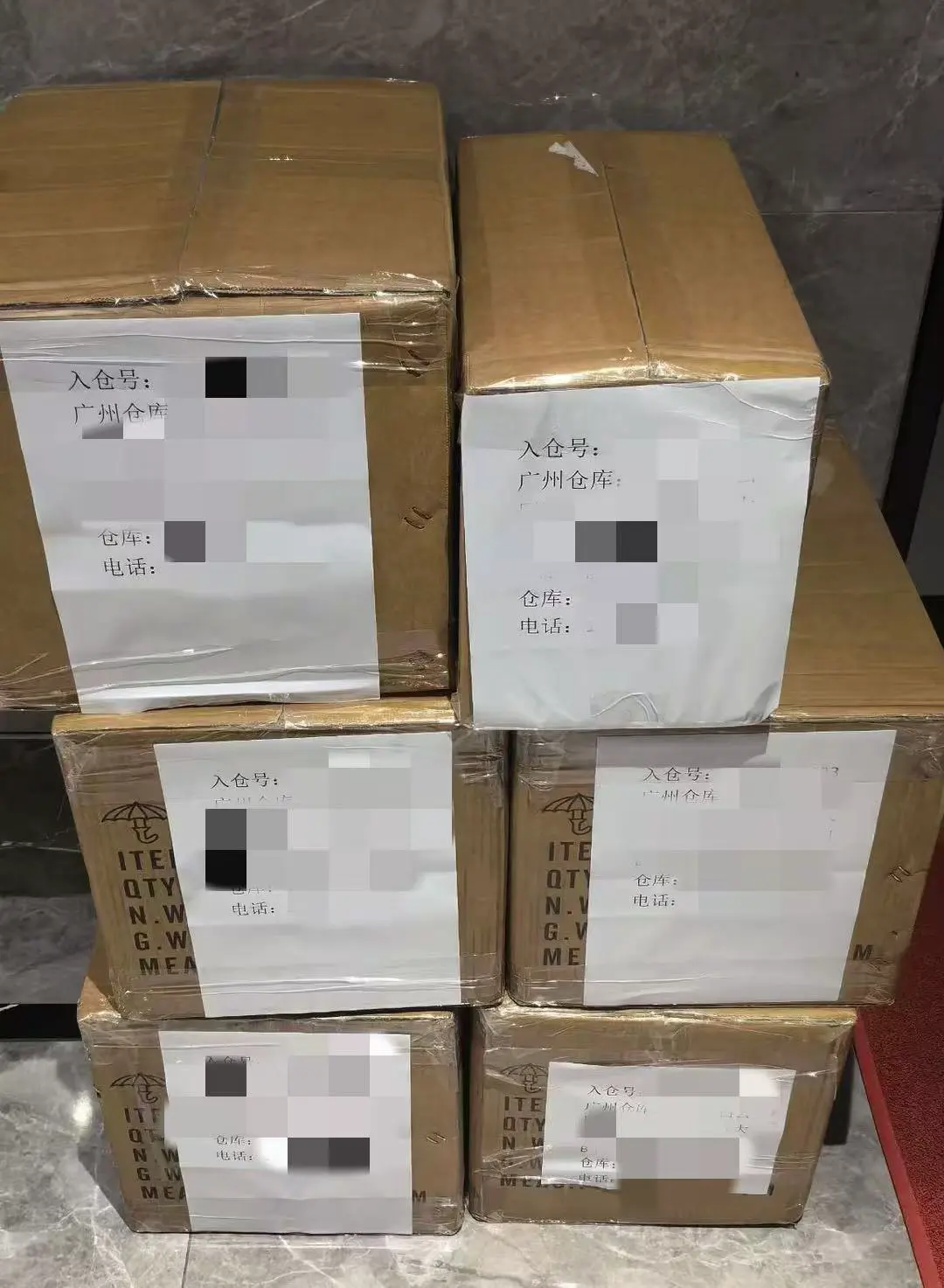
Cargo Information
| Item | Detail |
|---|---|
| Product | Ignition coils (auto electrical parts for gasoline engines) |
| HS Code | 8511.30.00 (ignition coils for internal combustion engines) |
| Quantity | 3,200 units packed in 22 cartons |
| Total Volume | 5.6 CBM |
| Total Weight | 780 kg |
| Origin | Shenzhen, China |
| Destination | Alexandria, Egypt |
| Shipping Mode | LCL (Less than Container Load) — Sea Freight |
| Incoterm | CIF Alexandria |
Why This Shipping Method
For 5.6 CBM of auto electrical parts, a full 20GP container (usable capacity ~26 CBM) would have been overkill. Hassan's total cargo occupied barely 20% of a container — paying for the other 80% made no financial sense.
Why LCL was the right call:
- Cost efficiency: LCL rates from Shenzhen to Alexandria run around $40–$55 per CBM. Total ocean freight came to roughly $280 — compared to $1,400+ for a 20GP.
- No rush, no premium: Ignition coils are non-perishable and not urgent. Sea freight via LCL gave Hassan a predictable 35–40 day transit at a fraction of air freight (which would have cost $3–$4/kg or $2,340+ for this weight).
- Non-DG advantage: Ignition coils are solid-state electrical components with no oil, acid, or lithium content. Unlike batteries, engine oil, or fuel injectors — which are classified as dangerous goods (DG) and attract surcharges — ignition coils ship as non-DG general cargo, keeping costs low and paperwork simple.
Key local insight for Egypt: Egypt's import regulations require GoEIC (General Organization for Export and Import Control) certification for automotive spare parts. This is mandatory but manageable — more on this below.
Shipping Process
Step 1 — Factory Pickup & Export Customs (Shenzhen)
DTFU Logistics arranged a van to collect the 22 cartons from the ignition coil manufacturer in Longgang District, Shenzhen. The cartons were delivered to DTFU's consolidation warehouse at Yantian Port.
Step 2 — Consolidation & Loading
At the warehouse, the cartons were palletized, strapped, and consolidated with other LCL cargo. Ignition coils are compact and stack well — 5.6 CBM of small cartons integrated easily into a shared container. The house B/L was issued under DTFU's consolidated shipment.
Step 3 — Ocean Freight (Yantian → Alexandria via Port Said)
The vessel sailed from Yantian and transshipped at Port Said, Egypt — the standard transit hub for LCL cargo bound for Alexandria. From Port Said, the container was relayed on a feeder vessel to Alexandria's El Dekheila Port.
Why Port Said? Most direct LCL services from China to Egypt discharge at Port Said (East or West). Alexandria cargo is then relayed by feeder — a standard, well-established practice on this route.
Step 4 — Deconsolidation & Customs Clearance in Alexandria
Upon arrival at Alexandria, the container was gated into the CFS (Container Freight Station) for deconsolidation. The 22 cartons of ignition coils were separated from the rest of the LCL cargo and made available for customs inspection.
Step 5 — GoEIC Inspection & Final Release
Egyptian customs required a GoEIC (General Organization for Export and Import Control) conformity inspection for the auto parts. A sample of the ignition coils was inspected at the port against the factory's test reports and specifications. Once GoEIC issued clearance, customs processed the release.
Step 6 — Final Delivery
After customs release, the cartons were loaded onto a small truck and delivered to Hassan's warehouse in the Moharram Bek district of Alexandria — just 15 km from the port.
Challenges Encountered
1. GoEIC Registration — Not a One-Time Thing
Egypt's GoEIC system requires the importer to register in the National Window (Nafeza) platform before any shipment can be cleared. Each product family must have a valid GoEIC certificate. Hassan's existing GoEIC registration covered only a portion of the ignition coil models in this shipment — three models were not yet listed.
Without resolving this, customs would block the clearance and the cargo would accumulate storage fees at the CFS.
2. LCL CFS Charges at Destination
The CFS in Alexandria charged a deconsolidation fee and a CBM minimum for handling the LCL shipment. At 5.6 CBM, we fell within the standard minimum threshold (usually 3–5 CBM), but the per-CBM handling charge at Egyptian ports is higher than at origin — a detail many first-time Egypt importers overlook.
3. Letter of Credit Documentation
Hassan had opened an L/C (Letter of Credit) with his Alexandria-based bank to pay the supplier. The bank required strictly compliant documentation — B/L date, invoice value, packing list, and certificate of origin had to match without a single discrepancy. Any mismatch could delay payment to the factory by weeks.
How We Solved Them
GoEIC — Expedited Supplementary Registration
DTFU Logistics's Egypt desk in Shenzhen coordinated directly with a licensed GoEIC-accredited inspection body in Cairo. We submitted the technical datasheets, test reports, and factory ISO certificate for the three unregistered models. The supplementary GoEIC registration was processed within 6 business days — while the cargo was still in transit.
Cost: $120 for the expedited GoEIC model registration — a small price compared to the $450+ it would have cost if the cargo arrived before the certificate was ready and started accruing storage fees ($15–$20/day at the CFS).
CFS Charges — Pre-Quoted Transparency
We included the destination CFS handling fee and CBM minimum in our initial CIF quotation. Hassan knew the exact landside cost before the shipment sailed — no surprises at the Egyptian port, which is a common complaint among first-time Egypt importers.
L/C Document Check
Our documentation team did a triple-check of all shipping documents against the L/C terms before submitting to the carrier for B/L issuance. We worked with the factory to ensure the commercial invoice and packing list matched the L/C exactly. The bank accepted the documents on first presentation — zero discrepancies.
Final Timeline
| Milestone | Date |
|---|---|
| Cargo picked up from Shenzhen factory | April 20, 2026 |
| Vessel departed Yantian | April 24, 2026 |
| Transship at Port Said, Egypt | May 16, 2026 |
| Arrival at Alexandria (El Dekheila) | May 20, 2026 |
| Deconsolidation at CFS | May 21, 2026 |
| GoEIC clearance completed | May 26, 2026 |
| Customs release | May 28, 2026 |
| Delivered to Alexandria warehouse | May 28, 2026 |
Total transit time: 38 days from factory gate to warehouse delivery.
Final Cost
| Item | Cost (USD) |
|---|---|
| Factory pickup (Shenzhen Longgang → Yantian) | $65 |
| LCL ocean freight (5.6 CBM × $48/CBM) | $269 |
| Documentation fee (HBL, COO, packing list) | $55 |
| CFS consolidation — origin (Yantian) | $50 |
| CFS deconsolidation — destination (Alexandria) | $95 |
| Terminal handling charge — destination | $85 |
| GoEIC supplementary model registration | $120 |
| Customs clearance (Alexandria broker fee) | $130 |
| Customs duties & VAT | $305 |
| Local truck delivery (Alexandria port → warehouse) | $60 |
| Total | $1,234 |
CIF Value declared: $6,400
Duty rate: 5% (automotive electrical parts under HS 8511 — Egypt applies a moderate duty for auto parts with local assembly competition)
VAT (14%): $896
Total logistics cost: $1,234 — or just $0.39 per ignition coil.
Customer Review
"For seven years I bought ignition coils through Dubai, thinking direct importing from China would be too complicated. DTFU proved me wrong. The entire freight cost was under $1,300 — less than half what I used to pay the Dubai middleman per shipment. The GoEIC registration was handled while the cargo was still at sea, so there was zero delay at customs. My landed cost per unit dropped from $2.85 to $1.98. I have already placed a repeat order for 7.2 CBM — and I am telling my fellow auto parts importers in Alexandria to do the same."
— Hassan El-Masry, Owner — Nile Auto Parts Co., Alexandria, Egypt
Lessons Learned
-
GoEIC compliance must be confirmed before the vessel sails. Egypt's GoEIC regime is not optional for auto parts. Even if the importer has an existing registration, always verify that every model or SKU in the shipment is covered. Supplementary registration is possible (as we did here) but should be initiated while the cargo is in transit — not after arrival.
-
LCL to Egypt works well for sub-10 CBM shipments — especially for compact, non-DG auto electrical parts like ignition coils. The deconsolidation at Alexandria's CFS is a standard process, and the total logistics cost was only $0.39 per unit. For comparison, air freight would have been $2,340+ for the same weight — nearly double the total logistics cost including duties.
-
Port Said transshipment is standard, not a problem. Many first-time Egypt importers worry when they see "Port Said" on the bill of lading instead of Alexandria. This is the normal routing — LCL containers for Alexandria almost always discharge at Port Said first, then relay by feeder. It adds 3–5 days but keeps ocean rates lower than direct Alexandria calls.
-
Ignition coils are a non-DG sweet spot. Unlike batteries, oil filters, or coolant — which attract DG surcharges of $50–$150 per shipment — ignition coils are solid electrical components that ship as general cargo. This saves both money and paperwork time.
-
L/C documentation requires obsessive attention to detail. A single discrepancy in the B/L date or invoice value can delay payment by weeks. Work with a freight forwarder whose documentation team understands Egyptian L/C requirements. Our triple-check process is standard for Egypt-bound shipments, and it saved Hassan from a costly payment delay.
-
Direct China → Egypt beats the Dubai middleman route every time. Hassan's old supply chain (China → Dubai → Alexandria) added 25–30% markup plus extra freight and handling. Shipping direct LCL from Shenzhen to Alexandria cut costs by over 50% while reducing lead time from 50 to 38 days.