Customer Background
The customer is a bathroom and sanitaryware importer based in Jeddah, Saudi Arabia, supplying concealed cistern systems, washroom fittings, and sanitary ceramics to contractors and showrooms across the kingdom. Their business relies on a network of suppliers in China's Fujian province — a major production hub for sanitaryware.
This order covered concealed cisterns (the in-wall water tanks used with wall-hung toilets) and their matching push plates (the flush actuators mounted on the wall). The cargo came from multiple suppliers in the Xiamen and Quanzhou area, which made consolidation and coordinated delivery central to the shipment.
Cargo Information
| Item | Detail |
|---|---|
| Commodity | Concealed cisterns and push plates (sanitaryware and plastic fittings) |
| Container type | 1 × 40HQ (Full Container Load) |
| Origin | Xiamen, China |
| Destination | Jeddah, Saudi Arabia |
| Incoterm | FOB Xiamen |
| Gross weight | Approx. 15,200 kg |
| Volume | Approx. 52 CBM |
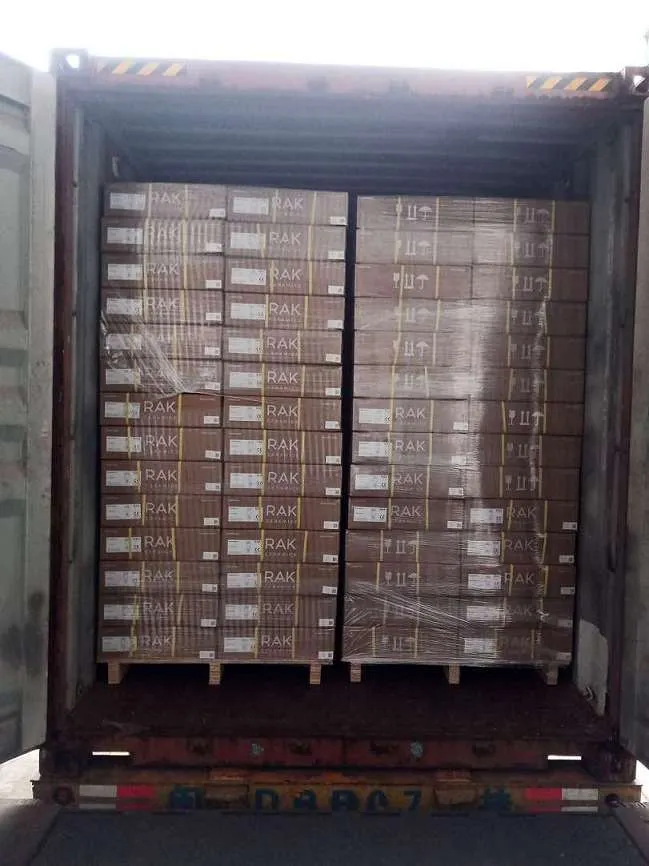
The cargo consisted of concealed cisterns — plastic-bodied in-wall tanks with the valve mechanisms — and matching push plates in several finishes. The cisterns are bulky but relatively light; the push plates, which include metal and glass elements, are denser. The cargo was sourced from multiple suppliers and consolidated at a warehouse in the Xiamen area before loading.
Why This Shipping Method
Sea freight in a 40HQ was the standard choice for this cargo. Concealed cisterns are bulky, moderately heavy, and non-urgent — the customer's projects are planned months ahead, and there was no time pressure justifying air freight.
The Fujian sourcing structure influenced the logistics more than the mode. With goods coming from several suppliers, the cargo was consolidated at a single warehouse in Xiamen before loading. This consolidation point allowed the container to be loaded as one coherent shipment rather than as multiple partial deliveries, which simplified the export documentation and the destination clearance.
Shipping Process
Step 1 — Multi-supplier consolidation
The concealed cisterns and push plates were collected from the multiple suppliers in the Xiamen and Quanzhou area and delivered to a consolidation warehouse in Xiamen. Each supplier's goods were received, inspected against its packing list, and staged for loading. The consolidation step converted several deliveries into one coherent shipment.
Step 2 — Container loading
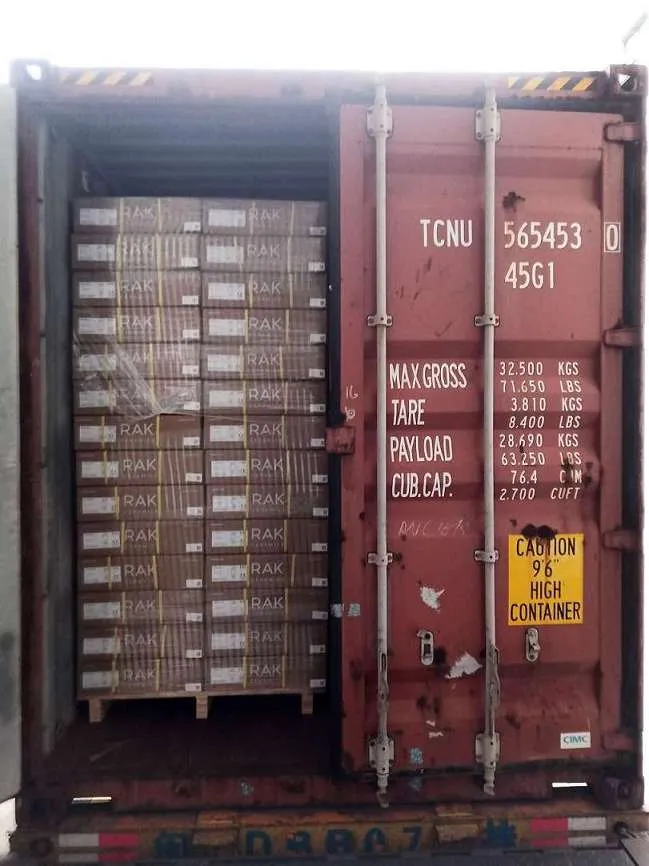
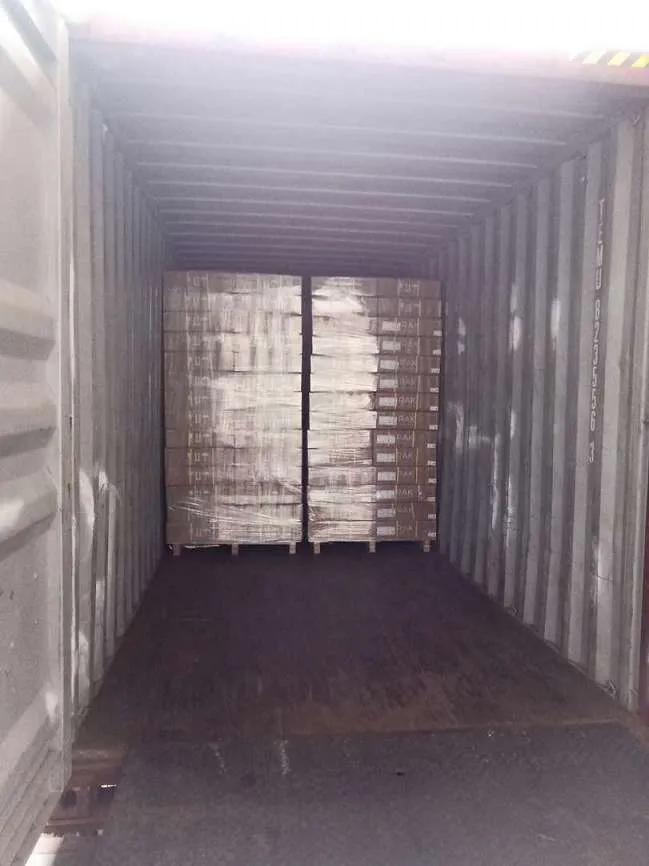
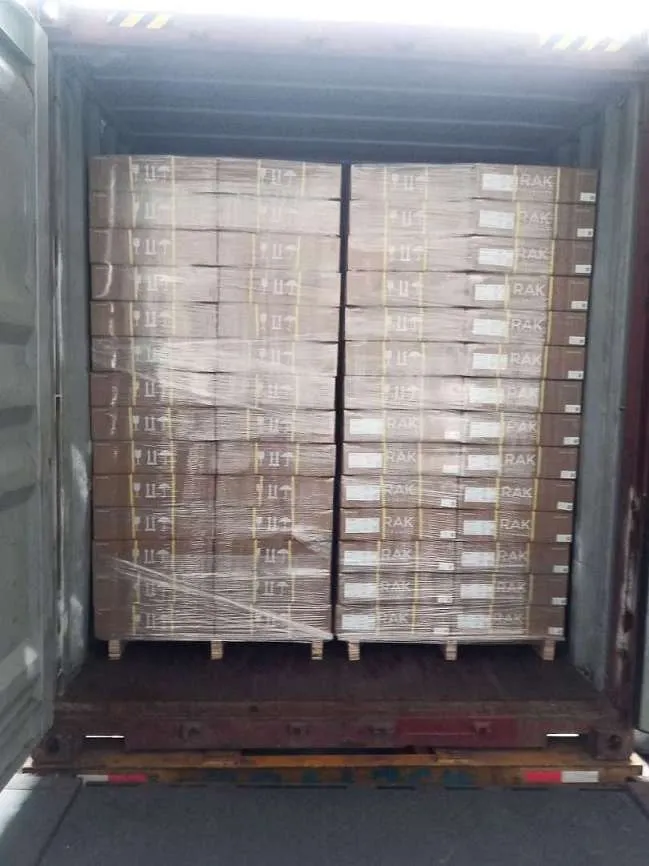
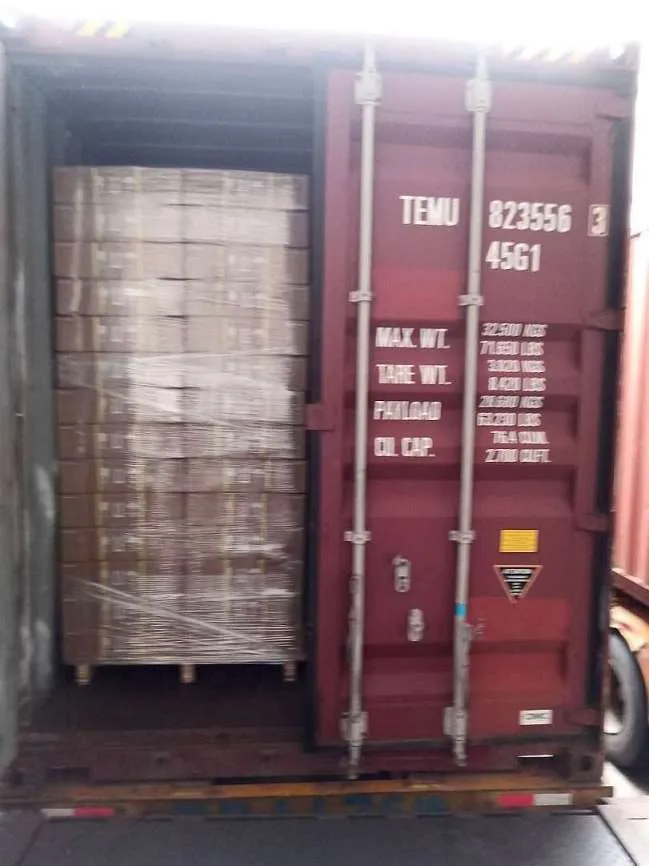
The container was loaded over one day at the warehouse. The bulky cistern cartons were stacked floor-to-roof in the body of the container, and the denser push plate cartons were placed in the lower layers and toward the front. Loading was arranged to keep the load stable and to balance the weight across the container.
Step 3 — Export customs clearance
Export customs clearance was handled in Xiamen. Concealed cisterns and push plates are not restricted goods for export from China. The export declaration covered the consolidated shipment — the commercial invoice and packing list were prepared to reflect the multiple suppliers under a single shipper declaration. Clearance was granted within one working day.
Step 4 — Ocean freight
The vessel sailed from Xiamen to Jeddah Islamic Port, with a transit time of approximately 19 days. The routing used a direct or single-transshipment service on the Xiamen–Jeddah lane.
Step 5 — Destination clearance and delivery
Upon arrival in Jeddah, the container underwent Saudi customs inspection, the customer's broker handled the import declaration, and the goods were delivered to the customer's warehouse in Jeddah. The consolidated packing list allowed the customer to distribute the goods to their project sites without further sorting.
Challenges Encountered
1. Multi-supplier coordination
With concealed cisterns and push plates coming from several suppliers, the main operational challenge was coordination: aligning the suppliers' delivery schedules so that all goods arrived at the Xiamen consolidation warehouse in time for a single container loading, and reconciling each supplier's packing list against the consolidated count. A late delivery from any single supplier would have delayed the entire container.
2. Fragile and awkward cargo mix
The cargo mixed bulky plastic cisterns with denser push plates that include metal and glass elements. The push plates, in particular, needed protection against impact and scratching. Loading had to place the heavier, denser items where they would not crush the bulky plastic bodies.
3. Accurate consolidated documentation
With multiple suppliers under one shipment, the commercial invoice and packing list had to be accurate enough that destination customs and the customer's distribution would both work from a single, correct document. An error in consolidating the count or values would surface as a customs query at Jeddah.
How We Solved Them
For multi-supplier coordination:
A delivery schedule was set with all suppliers for the same consolidation window in Xiamen, and the warehouse team received each delivery against its packing list on arrival. Any variance was flagged before loading rather than discovered after. The consolidation window was set two days before the planned loading date, so a single-day delay from any supplier could be absorbed without moving the container.
For the fragile and awkward cargo mix:
The denser push plate cartons were loaded in the lower layers of the container, with the bulky plastic cisterns stacked above. The glass-containing push plates were packed with their foam protection retained and placed where they would not bear the weight of the stack. This separated the fragile items from the crush zone without sacrificing container utilization.
For the consolidated documentation:
The commercial invoice and packing list were compiled from the individual supplier packing lists, reconciled against the container loading plan, and cross-checked before submission. The consolidated documents were shared with the customer's Jeddah broker in advance, so the import declaration was lodged against an accurate manifest. The customer could distribute the goods on arrival without further sorting.
Final Timeline
| Milestone | Date |
|---|---|
| Supplier deliveries to Xiamen consolidation warehouse | May 12–14 |
| Inspection and consolidation | May 14 |
| Container loading completed | May 15 |
| Export customs clearance | May 16 |
| Vessel departure from Xiamen | May 18 |
| Arrival Jeddah Islamic Port | June 6 |
| Saudi customs clearance completed | June 7 |
| Delivery to customer warehouse, Jeddah | June 8 |
Total door-to-door transit time: 27 days
Final Cost
The total cost for this shipment was approximately $3,890, broken down as follows:
- Ocean freight (Xiamen → Jeddah, 1×40HQ): ~$2,350
- Inland trucking and consolidation handling (Xiamen): ~$380
- Container loading fees: ~$190
- Export customs clearance: ~$150
- Destination customs clearance and broker fees (Jeddah): ~$460
- Terminal handling charges (Jeddah): ~$210
- Delivery to warehouse in Jeddah: ~$150
The customer paid the ocean freight, inland trucking, and export-side charges to DTFU Logistics; destination-side charges were settled through their local broker.
Ocean freight rates on the Xiamen–Jeddah route fluctuate with season and vessel utilization. The figures above reflect the rate at the time of booking (May 2026).
Customer Review
"The goods came from more than one factory, and that is usually where things get delayed. Here the consolidation went smoothly — everything arrived in time for the loading, and the packing list was accurate enough that we sent the stock straight out to our projects. The fragile push plates arrived without damage."
— The customer's procurement manager, Jeddah
Lessons Learned
-
Multi-supplier consolidation works when the schedule is set as a window, not a date. Setting the same delivery window for all suppliers, with a two-day buffer before loading, absorbs a single supplier's late delivery without delaying the container. This is the difference between a consolidated shipment and a coordination problem.
-
Fragile and bulky cargo can share a container with correct layer planning. Dense push plates with glass go in the lower layers, bulky plastic cisterns above. Separating fragile items from the crush zone protects the cargo without sacrificing container utilization.
-
Consolidated documentation is a distribution tool. An accurate multi-supplier packing list means destination customs and the customer's own warehouse both work from one correct document. Done right, the customer ships goods to project sites on arrival with no further sorting.
-
Fujian sourcing makes Xiamen the natural consolidation hub. With suppliers across the Xiamen–Quanzhou corridor, a single consolidation point at the port of loading converts several deliveries into one container with one set of documents.