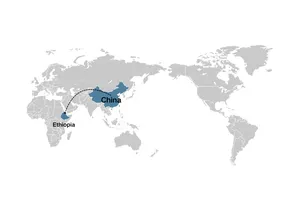
Are you wondering how long it takes for your goods to arrive when shipping from China to Ethiopia? Understanding shipping time from China to Ethiopia is crucial for effective supply chain planning and cost control. In this comprehensive guide, we’ll break down the key factors affecting transit times, compare sea freight and air freight options, discuss customs procedures, and share expert tips to help you achieve the fastest and most reliable delivery for your shipments.
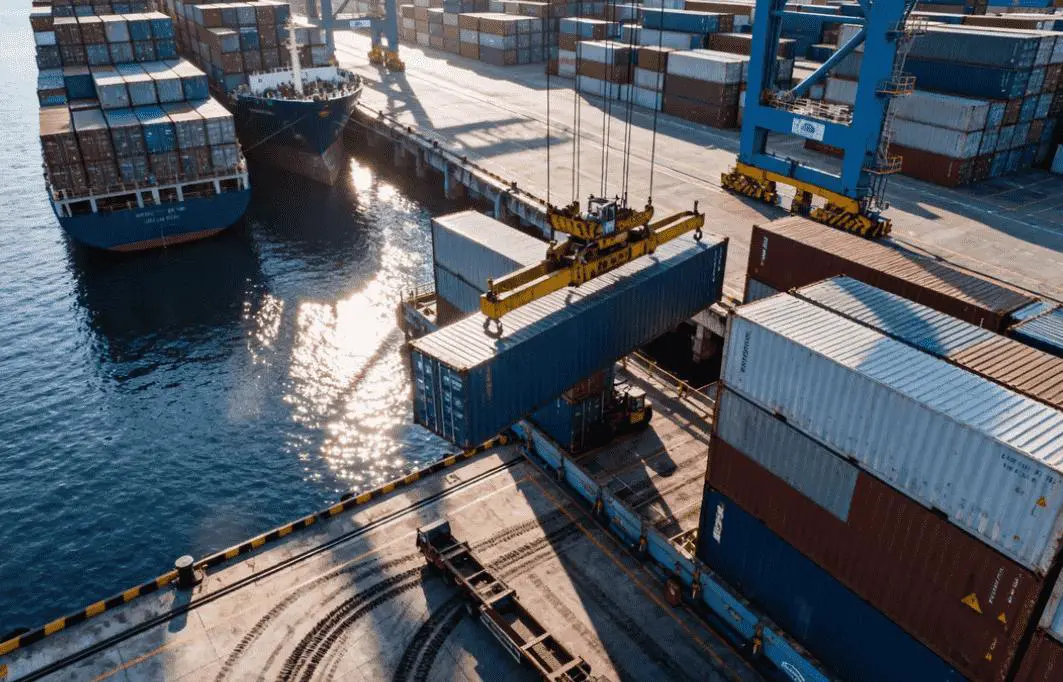
Key Factors Influencing Transit Times
When considering shipping time from China to Ethiopia, several key factors will impact the total transit period. Understanding these elements is crucial for businesses aiming to optimize supply chains and minimize delays:
- Mode of Transport: The choice between sea freight and air freight is pivotal. Sea freight is more cost-effective for large shipments but generally slower, whereas air freight offers speed at higher costs.
- Port of Origin and Destination: The specific Chinese port of departure and Ethiopian port of arrival can affect overall lead time due to port congestion, handling efficiency, and local infrastructure.
- Customs Clearance Procedures: Both Chinese and Ethiopian customs can introduce delays if documentation is incomplete or if inspections are required.
- Carrier Schedules and Transshipment: Direct sailings are faster; transshipment via intermediate ports (often in the Middle East, such as Djibouti) may extend transit times.
- Seasonal Fluctuations: Peak seasons, such as Chinese New Year or Ethiopia’s major holidays, often lead to backlogs and increased transit times.
- Weather Conditions: Adverse weather, particularly along the Indian Ocean or Red Sea, may result in shipment delays.
- Freight Forwarder Expertise: Working with a reliable provider like DTFU International Logistics Co.,Ltd ensures professional guidance, accurate documentation, and proactive problem-solving, minimizing avoidable delays.
Sea Freight from China to Ethiopia
Sea freight remains the backbone of international logistics between China and Ethiopia due to its suitability for bulk cargo and cost efficiency. Most sea shipments to Ethiopia are routed via Djibouti Port, then transported by road or rail into Ethiopia, as Ethiopia is a landlocked country.
As a reference, businesses interested in neighboring East African routes may also wish to review the typical Shipping time from China to Tanzania to compare transit schedules and logistics.
Full Container Load (FCL) Shipping Times
FCL is ideal for large shipments that can fill an entire container. This method minimizes cargo handling, reducing the risk of delay or damage. The typical container sizes are 20FT (28CBM), 40FT (56CBM), 40HQ (68CBM), and 45HQ (78CBM).
FCL Transit Time Overview:
| Origin Port (China) | Destination Port (Djibouti) | Final Destination (Addis Ababa, Ethiopia) | Estimated Sea Transit (Days) | Inland Transit Djibouti-Addis (Days) | Total Estimated Time (Days) |
|---|---|---|---|---|---|
| Shanghai | Djibouti | Addis Ababa | 19-24 | 2-5 | 21-29 |
| Shenzhen | Djibouti | Addis Ababa | 21-25 | 2-5 | 23-30 |
| Ningbo | Djibouti | Addis Ababa | 19-24 | 2-5 | 21-29 |
| Qingdao/Tianjin/Xiamen | Djibouti | Addis Ababa | 24-30 | 2-5 | 26-35 |
Notes:
- Schedules can vary based on carrier, routing, and seasonal demand.
- Customs clearance times at Djibouti and the Ethiopia border are included in the inland transit estimate.
Less than Container Load (LCL) Shipping Times
LCL shipping is suitable for smaller volumes that do not require a full container. This method involves consolidating cargo with other shippers, leading to additional handling and typically longer transit times compared to FCL.
LCL Transit Time Overview:
| Origin Port (China) | Destination Port (Djibouti) | Final Destination (Addis Ababa, Ethiopia) | Estimated Sea Transit (Days) | LCL Handling/CFS (Days) | Inland Transit (Days) | Total Estimated Time (Days) |
|---|---|---|---|---|---|---|
| Shanghai | Djibouti | Addis Ababa | 19-24 | 3-5 | 2-5 | 24-34 |
| Shenzhen | Djibouti | Addis Ababa | 21-25 | 3-5 | 2-5 | 26-35 |
LCL shipments may face additional delays due to consolidation/deconsolidation at the origin and destination, as well as potential waiting times to achieve full container load at consolidation points.
Major Chinese Ports for Ethiopia Shipments
The main Chinese ports servicing shipments to Ethiopia (via Djibouti) are:
- Shanghai Port: The world’s busiest container port, offering frequent sailings to East Africa and connections to most inland suppliers.
- Shenzhen Port: A major hub for electronics and manufactured goods, providing direct and transshipment routes to Djibouti.
- Ningbo Port: Known for its extensive logistics infrastructure and high efficiency, suitable for both FCL and LCL shipments.
- Qingdao Port: Important for northern China’s exports, though transit times can be slightly longer.
- Xiamen, Tianjin: Secondary ports offering tailored solutions for specific supply chains, often with competitive rates.
For those comparing regional logistics, you may also find value in reading about Sea Shipping From China Ethiopia, which details recent developments and practical considerations for Ethiopian importers.
Major Ethiopia Ports for Chinese Imports
Since Ethiopia is landlocked, its international maritime imports are handled almost exclusively through:
- Djibouti Port (Republic of Djibouti): The primary gateway for Ethiopian imports, handling over 95% of the country’s maritime cargo. Modern container terminals and efficient customs zones ensure smooth cargo transitions from sea to land.
- Modjo Dry Port (Ethiopia): Inland container depot 75 km from Addis Ababa, connected by rail and road to Djibouti. Most containers are cleared here for final distribution within Ethiopia.
Port Logistics Flow:
- Cargo arrives at Djibouti Port, undergoes customs clearance.
- Containers are moved by road or rail (Ethio-Djibouti Railway) to Modjo Dry Port.
- Final customs clearance and unstuffing occur at Modjo, with subsequent domestic distribution.
Tip: Partnering with a professional freight forwarder like DTFU International Logistics Co.,Ltd ensures seamless coordination between sea, port, and inland logistics, reducing the risk of costly delays or miscommunications.
If you're exploring options to optimize cost, review our latest insights on Shipping Cost from China to Ethiopia for a comprehensive breakdown of rates and influencing factors.
Air Freight from China to Ethiopia
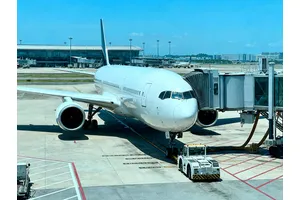
When considering shipping time from China to Ethiopia, air freight is often the fastest and most reliable method for transporting goods. It is particularly favored by businesses needing urgent deliveries, high-value cargo, or time-sensitive shipments. Understanding the differences between Express Air Freight and Standard Air Cargo is crucial for selecting the best solution for your supply chain.
Express Air Freight Transit Times
Express air freight services are designed for speed and convenience. Major global express carriers such as DHL, FedEx, and UPS provide door-to-door delivery, handling customs clearance and local delivery in both China and Ethiopia.
Typical transit time for express air freight from major Chinese cities such as Shanghai, Guangzhou, or Shenzhen to Addis Ababa Bole International Airport in Ethiopia is as follows:
| Origin City | Destination: Addis Ababa | Express Air Freight Transit Time |
|---|---|---|
| Shanghai | Addis Ababa | 2-4 days |
| Shenzhen | Addis Ababa | 2-4 days |
| Guangzhou | Addis Ababa | 2-4 days |
| Beijing | Addis Ababa | 2-4 days |
- Transit times may vary due to flight availability, customs clearance, holidays, or disruptions.
- Express services usually include customs clearance and last-mile delivery, making them ideal for urgent and small-sized shipments.
If you're interested in specific route details, consider reading Air Shipping From China Ethiopia for in-depth analysis of air cargo procedures and timelines into Ethiopia.
Standard Air Cargo Transit Times
Standard air cargo solutions are generally more cost-effective than express services and are suitable for larger, less time-sensitive shipments. These services operate through major airlines such as Ethiopian Airlines, China Southern Airlines, and Emirates SkyCargo, typically using airport-to-airport delivery.
| Origin City | Destination Airport | Standard Air Cargo Transit Time |
|---|---|---|
| Shanghai PVG | Addis Ababa (ADD) | 4-7 days |
| Guangzhou CAN | Addis Ababa (ADD) | 4-7 days |
| Beijing PEK | Addis Ababa (ADD) | 4-7 days |
| Hong Kong HKG | Addis Ababa (ADD) | 4-7 days |
- Times include airport handling and customs clearance, but not local pickup or final-mile delivery.
- Additional time may be needed for customs inspection or during peak seasons.
- DTFU International Logistics can consolidate cargo to optimize costs while ensuring timely delivery and full compliance with regulations.
Key Takeaways:
- Express Air Freight: 2-4 days, higher cost, door-to-door, ideal for urgent parcels.
- Standard Air Cargo: 4-7 days, more economical, airport-to-airport, suitable for bulk shipments.
Cost Implications of Shipping Time
Shipping time is a key factor influencing the overall logistics cost from China to Ethiopia. Faster transit generally incurs higher expenses, while slower methods may offer cost savings but also bring risks such as delayed inventory or missed deadlines.
Balancing Speed and Cost
Choosing between speed and cost requires careful analysis of your business priorities:
| Shipping Method | Average Transit Time | Typical Cost ($/kg) | Best Use Case |
|---|---|---|---|
| Express Air Freight | 2-4 days | $6–$12+ | Urgent documents, high-value or time-sensitive cargo |
| Standard Air Cargo | 4-7 days | $4–$7 | Bulk shipments, less urgent goods |
| Sea Freight (FCL/LCL) | 30-45 days | $0.5–$2 | Large, non-urgent cargo |
- Express Air Freight is significantly more expensive due to premium service and speed.
- Standard Air Cargo offers a good balance between cost and delivery time.
- Sea Freight is most economical but has much longer lead times.
Tip: For products with high inventory turnover or tight delivery schedules, the cost of waiting may outweigh the savings from slower shipping methods. Evaluate your cash flow, supply chain strategy, and customer expectations to make informed decisions.
Factors Affecting Shipping Costs
Shipping costs from China to Ethiopia depend on several variables:
- Cargo Weight & Volume: Airlines charge by actual or volumetric weight, whichever is greater. For instance, lightweight but bulky items may be charged based on their cubic volume.
- Origin & Destination: Shipping from major Chinese airports (e.g., Shanghai, Guangzhou, Shenzhen) to Addis Ababa is often more economical than from secondary cities.
- Type of Goods: Dangerous goods, oversized cargo, or items requiring special handling (e.g., temperature control) incur extra fees.
- Seasonality: Costs increase during peak seasons (e.g., before major holidays, Black Friday), and space may be limited.
- Customs Duties & Taxes: Both China and Ethiopia impose duties and taxes based on product type, declared value, and compliance with import/export regulations.
- Additional Services: Insurance, packaging, customs brokerage, and last-mile delivery add to the total cost.
| Cost Factor | How It Impacts the Price |
|---|---|
| Weight/Volume | Determines base airfreight rate |
| Route | Direct flights are usually cheaper and faster |
| Customs/Taxes | Affects landed cost; varies by product type and value |
| Service Level | Express = higher cost; standard = more economical |
| Freight Forwarder | Experienced forwarders can negotiate better rates, reduce risk |
DTFU International Logistics Co.,Ltd provides end-to-end freight solutions, helping clients analyze the total cost of shipping, avoid unnecessary expenses, and select the most suitable air freight services for their business needs. Our team stays updated with real-time market changes and regulatory updates to ensure your shipments are both timely and cost-effective.
Navigating Customs and Documentation for Timely Delivery
Chinese Customs Clearance Process
Efficient customs clearance is a key factor influencing shipping time from China to Ethiopia. China Customs employs a digital system to streamline export procedures. Here’s a step-by-step look:
- Cargo Declaration: All goods leaving China must be declared through the China International Trade Single Window. Documentation must align with the cargo and be submitted electronically.
- Inspection & Quarantine: Depending on the product category, items may require inspection by the China Entry-Exit Inspection and Quarantine (CIQ). Agricultural and food products are scrutinized more closely.
- Customs Assessment: Customs verifies declared value, HS codes, and ensures compliance with trade policies (such as export controls on certain technologies or resources).
- Release & Loading: Once cleared, cargo is released for loading onto vessels or aircraft.
Pro Tips:
- Work with experienced freight forwarders like DTFU International Logistics Co.,Ltd, who understand the latest Chinese export regulations and documentation requirements.
- Double-check commercial invoices, packing lists, and export licenses to avoid costly delays.
Ethiopia Customs Clearance Requirements
Once goods arrive in Ethiopia, they are subject to local customs clearance by the Ethiopian Customs Commission (ECC). Key steps include:
- Pre-Arrival Notification: Importers must submit an Import Declaration form and relevant documents prior to cargo arrival.
- Inspection & Duty Assessment: Authorities may physically inspect shipments and assess applicable duties and taxes according to the Ethiopian Harmonized System (HS) Code.
- Special Licenses: Some goods, such as electronics or pharmaceuticals, require additional permits or certificates.
- Release: After payments and approvals, goods are released for pickup or onward shipping.
Essential Shipping Documents
Accurate documentation is critical for smooth shipping from China to Ethiopia. At minimum, you will need:
| Document | Description | Importance |
|---|---|---|
| Bill of Lading (B/L)/Airway Bill | Proof of shipment and contract of carriage | Required for cargo release at destination |
| Commercial Invoice | Details value, origin, and content | Used for customs valuation |
| Packing List | Itemizes contents, weight, packaging | Needed for inspection and handling |
| Certificate of Origin (COO) | Confirms the country of manufacture | Sometimes required for duty benefits |
| Import License | Government permit for restricted goods | Essential for certain product categories |
| Insurance Certificate | Proof of cargo insurance (if purchased) | Ensures protection against loss/damage |
Inaccurate or missing documents are the main cause of shipping delays. For peace of mind, DTFU International Logistics Co.,Ltd offers end-to-end documentation support, including guidance on all required paperwork.
Choosing the Right Shipping Method for Your Needs
Selecting the optimal shipping method directly affects both shipping time from China to Ethiopia and total landed costs. Here’s how to decide:
When to Choose Sea Freight
Sea freight is best suited for large, non-urgent shipments where cost efficiency outweighs transit speed.
- Typical Shipping Time: 25–40 days (including customs clearance)
- Best For: Bulk commodities, industrial goods, vehicles, machinery.
- Container Options: FCL (Full Container Load) for exclusive use, LCL (Less than Container Load) for smaller quantities.
- Major Chinese Ports: Shanghai, Ningbo, Shenzhen, Qingdao.
- Destination Ports in Ethiopia: Djibouti Port (for ocean freight, with onward transport to Ethiopia by road), Modjo Dry Port (main inland logistics hub).
Pros:
- Most cost-effective for high-volume shipments.
- Flexible container sizes: 20FT (28CBM), 40FT (56CBM), 40HQ (68CBM), 45HQ (78CBM).
Cons:
- Longer transit and potential delays at transshipment points.
- Requires land transport from Djibouti to Ethiopia.
For businesses also shipping to Kenya, you may want to compare the processes and timelines by reviewing the Shipping time from china to Kenya guide, which outlines route-specific considerations in East Africa.
When to Opt for Air Freight
Air freight is ideal when shipping time from China to Ethiopia is critical.
- Typical Shipping Time: 3–7 days (including customs clearance).
- Best For: High-value, perishable, or time-sensitive goods (electronics, pharmaceuticals, samples).
- Main Airports: Departure from Shanghai Pudong International Airport, Guangzhou Baiyun International Airport; Arrival at Addis Ababa Bole International Airport.
Pros:
- Fastest delivery.
- High security and reliability.
Cons:
- Higher cost per kilogram compared to sea freight.
- Limited by cargo size and weight restrictions.
Considerations for Urgent Shipments
If you face tight deadlines, consider the following:
- Express Air Services: Major couriers like DHL, FedEx offer door-to-door express with customs clearance support.
- Multimodal Solutions: Combine air and sea for balance between speed and cost.
- Priority Handling: Request priority clearance and pre-book space, especially during peak seasons.
Expert Tip: Consult with DTFU International Logistics Co.,Ltd, a one-stop logistics provider, for tailored solutions, including direct flight bookings, expedited customs, and last-mile delivery in Ethiopia.
Tips for Expediting Your Shipments
Reducing shipping time from China to Ethiopia requires planning and collaboration. Apply these best practices:
Working with Reliable Freight Forwarders
A professional freight forwarder like DTFU International Logistics Co.,Ltd is invaluable. We:
- Provide end-to-end services: Sea Freight, Road Freight, Air Freight, Warehouse, Cargo Insurance, One-Stop Customs Clearance, Door to Door, OOG Freight, Consolidated Freight, Breakbulk Freight.
- Have deep knowledge of Chinese and Ethiopian regulations, minimizing risk of documentation errors.
- Offer real-time tracking and proactive communication.
Accurate Documentation and Packaging
- Ensure all documents are complete, accurate, and match cargo details.
- Use strong, compliant packaging to avoid damage and inspection delays.
- Clearly label all packages according to both Chinese and Ethiopian standards.
Planning Around Peak Seasons
- Peak shipping seasons (like Chinese New Year, Golden Week, or Ethiopia’s holiday rush) can cause backlogs and congestion.
- Book shipments in advance and build extra lead time into your supply chain.
- Consult your freight forwarder for insights into current port congestion and available routing alternatives.
By understanding customs processes, choosing the most suitable shipping method, and working with experienced partners like DTFU International Logistics Co.,Ltd, you can optimize both cost and shipping time from China to Ethiopia. For tailored logistics solutions that combine speed, reliability, and compliance, contact our team for a free consultation.