Destination: Kingston, Jamaica
Service Type: DDP (Delivered Duty Paid) — Full door-to-door, inclusive of Jamaican customs clearance and all duties/taxes
Mode: Ocean freight, 1×20GP container
1. Customer Background
The customer is a Jamaican renewable energy distributor based in Kingston. They had been importing solar lighting products from China for two years, typically using FOB terms and handling Jamaican customs clearance through a local broker. That arrangement created frequent friction — delayed customs filings, unexpected duties, and occasional demurrage charges. For this shipment, they decided to test a DDP solution to see if handing over end-to-end control could reduce risk and simplify their supply chain.
This was the first time they worked with DTFU Logistics.
2. Cargo Information
| Item | Detail |
|---|---|
| Commodity | Inverter solar lights (solar-powered lighting systems with integrated inverters) |
| Total quantity | 580 cartons, palletized |
| Total volume | 24.6 CBM |
| Total weight | 11,280 KGS |
| Container | 1×20GP dry van |
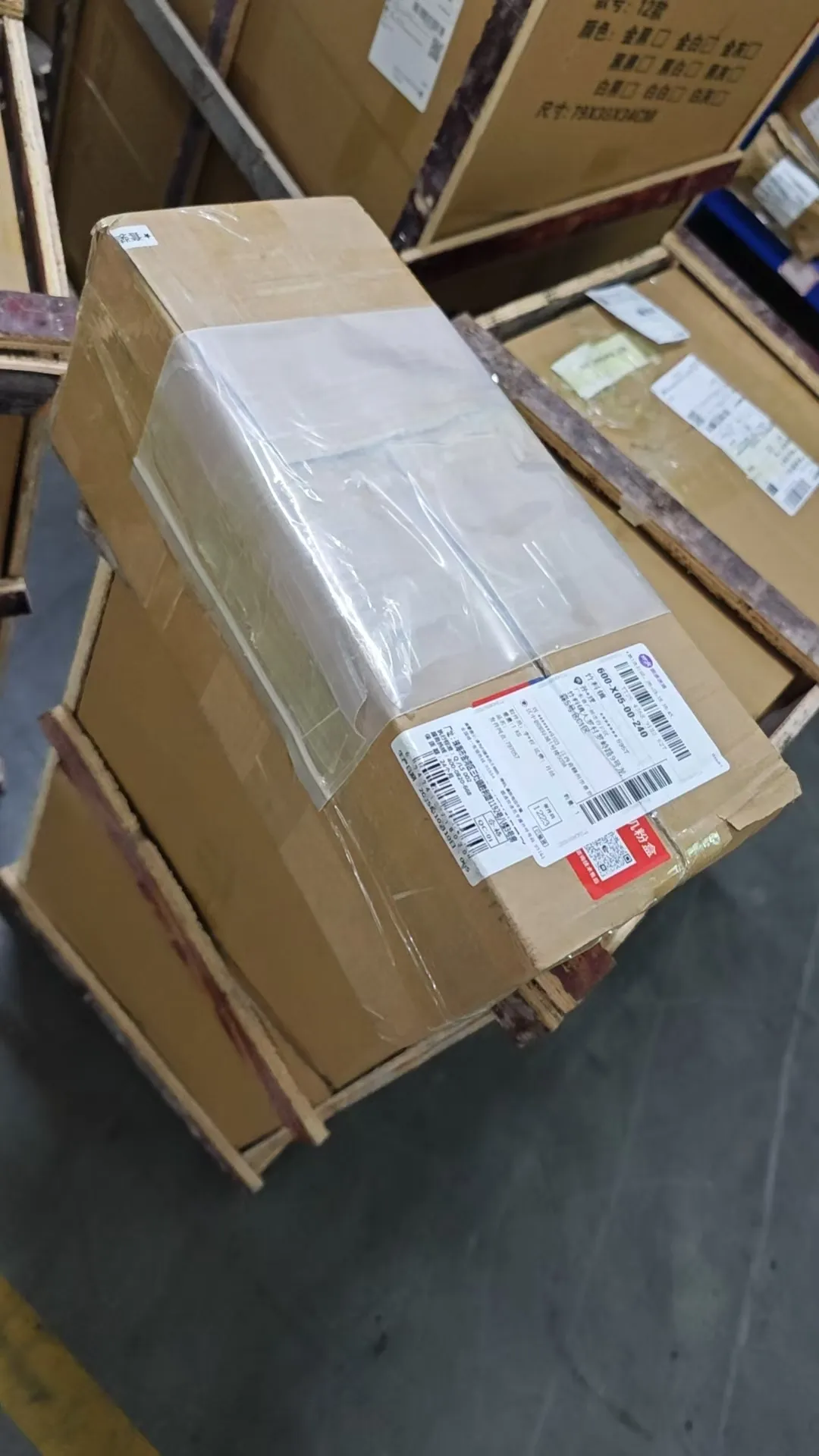
| Packaging | Standard carton boxes on wooden pallets, shrink-wrapped |
| HS Code | 9405.40 (electric lamps and lighting fittings) — duty rate approx. 20% under CARICOM CET |
The cargo consisted of two main models: standalone solar street lamps with inverter controllers (model SL-60W) and smaller residential garden solar lights with micro-inverters (model GL-30W). None of the units contained lithium batteries — power was stored in supercapacitors, which simplified shipping classification significantly.
3. Why This Shipping Method
The customer chose DDP for three reasons:
- No local customs experience. Although the customer was Jamaican, their internal logistics team was lean — two people handling procurement and distribution. They had no dedicated customs specialist, and the previous broker relationship was inconsistent.
- Cost predictability. With FOB or CIF terms, the customer bore the risk of duty assessments, port storage fees, and unexpected customs broker charges. A single DDP price eliminated that variability.
- Time savings. Clearing solar-related products through Jamaican customs can invite extra documentation requests if the HS classification or product specifications are borderline. Under DDP, DTFU took ownership of that process, freeing the customer's team to focus on pre-selling the inventory.
4. Shipping Process
The shipment unfolded in five phases:
Phase 1 — Origin trucking (Nanshan, Shenzhen → Nansha port)
The cargo was collected from the supplier's warehouse in Nanshan district, Shenzhen (approx. 1.5-hour drive to Nansha port). DTFU arranged a flatbed truck; loading took 3 hours including lashing and weather-proofing.
Phase 2 — Export customs clearance (Nansha port)
The export declaration was filed under standard procedures. The commodity (solar lights with inverters) falls under a routine HS code with no China export restrictions, so this step was straightforward. Clearance was granted within one working day.
Phase 3 — Ocean freight (Nansha → Kingston)
The container was loaded onto a COSCO vessel at Nansha Port on a Friday. The vessel transited the Panama Canal and arrived at Kingston's terminal after 26 days of sea passage.
Phase 4 — Jamaican import customs clearance & duty payment
DTFU's local customs broker in Kingston submitted the import declaration using the DDP pre-filed documentation. Duty was assessed at approximately 20% under CARICOM CET plus GCT (General Consumption Tax) of 15% and an environmental levy of 0.5%. Total duties and taxes came to roughly USD 3,750.
Phase 5 — Destination trucking (Kingston port → customer's warehouse)
After customs release, a local truck delivered the container to the customer's distribution center in Kingston. Unloading was completed in about 4 hours with two warehouse staff.
5. Challenges Encountered
Two issues arose during this shipment.
Challenge 1 — Inconsistent cargo weight declaration by the supplier
The supplier's packing list stated the total weight as 9,950 KGS, but when the container was weighed at Nansha terminal, the actual weight was 11,280 KGS — a 13% discrepancy. This triggered a re-check of the export declaration. While it didn't stop the shipment, it caused a one-day delay while the documents were amended.
Challenge 2 — Jamaican customs query on inverter classification
Jamaican customs initially flagged the shipment for a routine inspection, questioning whether the integrated inverters could be classified as "electrical transformers" under a different HS subheading (8504), which carries a higher duty rate. This is a common grey area for solar lighting products that combine LED fixtures with inverter controllers.
6. How We Solved Them
For the weight discrepancy — Same-day document amendment
DTFU's operations team in Shenzhen contacted the supplier directly to obtain a corrected packing list and commercial invoice. The amended export declaration was re-filed within 4 hours. No demurrage or container-handling charge was incurred because the correction happened before the vessel cutoff.
For the customs classification query — Technical specification submission
DTFU's Jamaican customs broker submitted a technical datasheet from the manufacturer showing that the inverters in these solar lights are not standalone transformers — they are integrated driver circuits that serve a lighting function. Supporting photos of the product label and circuit board were included in the submission. Customs accepted the original HS 9405.40 classification after a two-day review, and the container was released at the originally estimated duty rate.
7. Final Timeline
| Milestone | Date | Remarks |
|---|---|---|
| Cargo collected from supplier | March 5 | Nanshan, Shenzhen |
| Loaded at Nansha port | March 6 | 1×20GP, vessel booking confirmed |
| Export customs cleared | March 7 | Amended weight document re-filed same day |
| Vessel departure (Nansha) | March 10 | COSCO service |
| Vessel arrival (Kingston) | April 5 | 26 days at sea incl. Panama Canal transit |
| Customs query raised | April 7 | HS classification review |
| Customs clearance granted | April 9 | Original classification upheld |
| Delivered to customer warehouse | April 10 | Kingston distribution center |
| Total door-to-door | 36 days | Including 2 days for customs query resolution |
8. Final Cost
| Cost Item | Amount (USD) |
|---|---|
| Origin trucking (Nanshan → Nansha port) | $280 |
| Export customs clearance (China) | $120 |
| Ocean freight (Nansha → Kingston, 1×20GP) | $2,650 |
| Port handling & document fees (origin) | $350 |
| Jamaican customs broker fee | $250 |
| Import duties (20% CET) | $2,160 |
| General Consumption Tax (15% GCT) | $1,350 |
| Environmental levy (0.5%) | $240 |
| Destination trucking & delivery | $450 |
| Total DDP cost | $7,850 |
Note: The duty and tax amounts were calculated on the CIF value of the cargo (approx. $18,000). The customer paid a single all-inclusive DDP price to DTFU and had no additional outlays at destination.
9. Customer Review
"The main reason we tried DDP was to simplify our side of the process. We didn't have to wire money to a Jamaican broker, chase receipts, or worry about customs delays. The only hiccup was the weight certificate, but that was handled on the China side without us having to get involved. For next shipment, we will likely repeat the same arrangement."
— Operations Manager, Kingston-based renewable energy distributor
10. Lessons Learned
-
Verify supplier weight data before container loading. A 13% discrepancy is not uncommon with smaller suppliers. Requesting a weighbridge certificate at the supplier's warehouse prior to dispatch can eliminate last-minute export declaration amendments.
-
Prepare technical documentation for solar products in advance. Jamaica customs may query the classification of products with integrated inverters. Having a manufacturer's datasheet and HS classification justification ready before the vessel arrives speeds up the clearance process significantly.
-
DDP reduces operational friction for importers with lean teams. The customer's key takeaway was not cost savings — the DDP price carries a margin for risk — but time saved. They avoided approximately 10–15 hours of administrative work that their previous FOB-plus-broker arrangement had required per shipment.
-
Nansha to Kingston via Panama Canal is a reliable sea route. The 26-day transit was within the standard schedule. No congestion delays were experienced at either port, which suggests the route is stable for repeat shipments.