Customer Background
The customer is a lighting distributor based in Jeddah, Saudi Arabia, supplying LED lighting for commercial, residential, and infrastructure projects across the kingdom. Their imports cover LED tubes, downlights, floodlights, and complete lighting kits sourced from manufacturers in the Shanghai and Jiangsu area.
This order was a 40HQ of LED lights for a group of retail and hospitality projects. LED lighting is a regulated product category in Saudi Arabia, so the shipment carried certification obligations that had to be satisfied before the goods could clear import customs.
Cargo Information
| Item | Detail |
|---|---|
| Commodity | LED lights (tubes, downlights, floodlights, lighting kits) |
| Container type | 1 × 40HQ (Full Container Load) |
| Origin | Shanghai, China |
| Destination | Jeddah, Saudi Arabia |
| Incoterm | FOB Shanghai |
| Gross weight | Approx. 14,600 kg |
| Volume | Approx. 54 CBM |
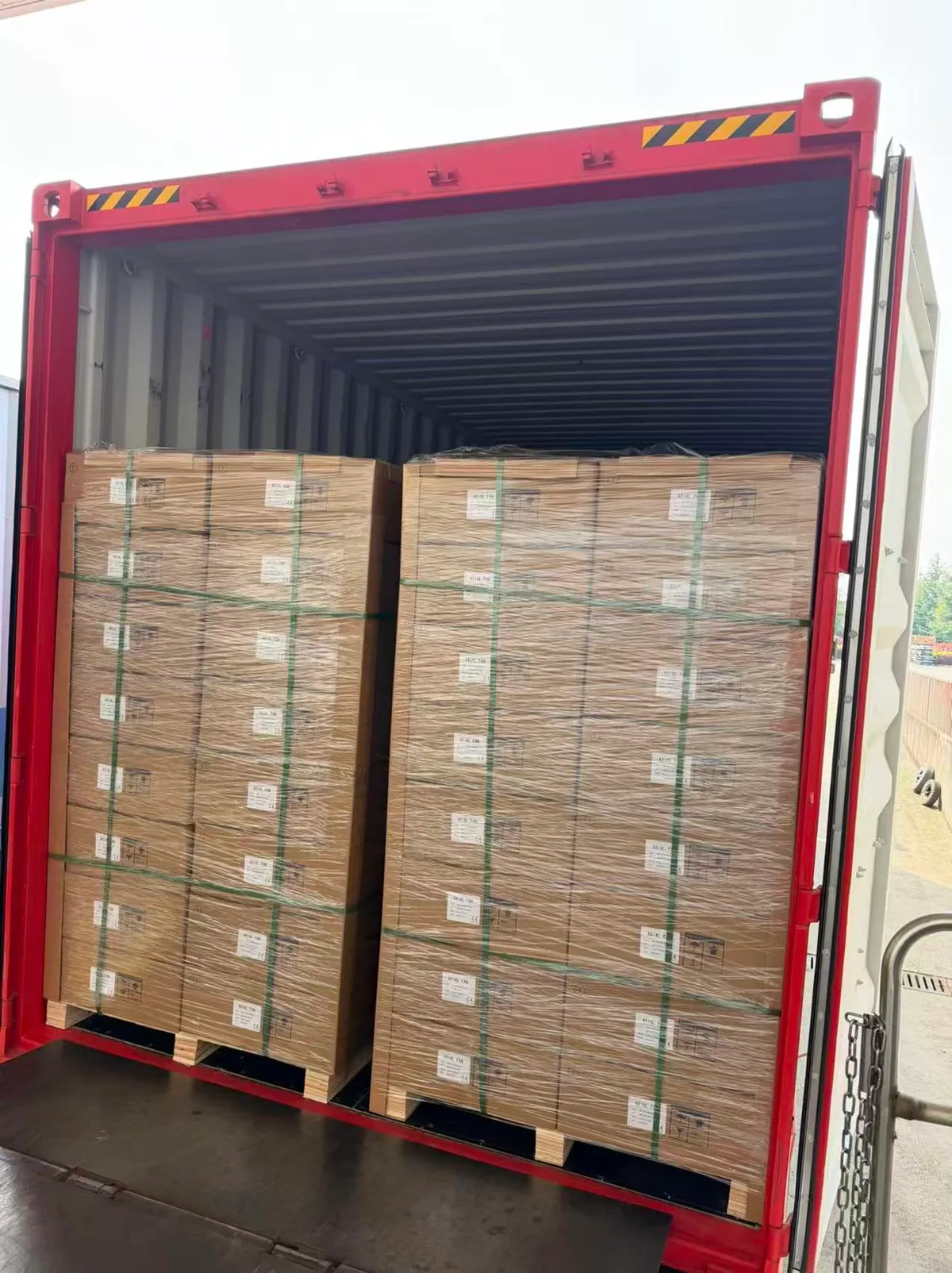
The cargo consisted of LED lighting in export cartons, with the glass-tube products packed in individual foam-lined sleeves. The cargo is moderately bulky — LED housings and drivers take up volume — and sits comfortably within the 40HQ envelope on both volume and weight.
Why This Shipping Method
Sea freight in a 40HQ was the standard and correct choice. LED lights are non-urgent, moderately priced goods, and the customer's project schedules are set months in advance — there was no time pressure that would justify air freight at 6–8 times the sea rate.
The certification landscape, however, shaped the planning more than the mode choice. LED lighting is subject to Saudi's SABER (Saudi Product Safety Programme) with an IECEE (International Electrotechnical Commission Electrical Equipment) registration requirement. Under this framework, electrical products must be registered with the Saudi IECEE recognition body before they can be imported, and each shipment needs a product certificate (PC) and a shipment certificate (SC) issued against the registered product.
Shipping Process
Step 1 — Certification verification before booking
The manufacturer's IECEE registration and SABER product certificate (PC) were verified before the booking was confirmed. The IECEE registration covers the specific LED models being shipped, and the PC was confirmed valid for the products on the packing list. This verification moved the highest-risk item to the front of the process.
Step 2 — Cargo collection and container loading
The LED lights were collected from the manufacturer in the Shanghai area and loaded into the 40HQ at the terminal. The glass-tube products were placed in the upper layers of the stack where crush pressure is lower, with the heavier floodlight housings at the floor. Loading was completed in one day.
Step 3 — Export customs clearance
Export customs clearance was handled in Shanghai. LED lights are not restricted for export from China, and the declaration was submitted and cleared within one working day.
Step 4 — Shipment certificate (SC) application
In parallel with the export process, the shipment certificate was applied for against the product's IECEE registration and PC. The SC application was submitted with the commercial invoice, packing list, and registration references, and the certificate was issued and sent to the customer's Jeddah broker before the vessel arrived.
Step 5 — Ocean freight and destination clearance
The vessel sailed from Shanghai to Jeddah Islamic Port with a transit time of approximately 19 days. On arrival, the container cleared Saudi customs using the pre-issued SC, and the lights were delivered to the customer's warehouse in Jeddah.
Challenges Encountered
1. IECEE registration status
The critical risk for this shipment was the IECEE registration. Saudi Arabia requires electrical products such as LED lighting to be registered under the IECEE recognition framework, and the registration must cover the exact models being imported. An unregistered model, or a registration that had lapsed, would block the import entirely — not just delay it.
2. Product certificate (PC) validity against the cargo
The SABER PC must match the specific products, models, and manufacturer on the shipment. A mismatch between the certificate and the packing list — even an unintentional one — would trigger a customs query and hold the container at Jeddah.
3. Fragile glass products in a heavy load
The LED tubes contain glass that is vulnerable to crushing when stacked under heavy floodlight housings. The loading pattern needed to protect the fragile product without sacrificing container utilization.
How We Solved Them
For the IECEE registration:
The registration was verified against the exact model numbers on the packing list before booking. The manufacturer confirmed each model was covered by a valid IECEE registration, and the reference numbers were recorded for the SC application. This step eliminated the risk of discovering a missing registration after the cargo was already in transit.
For the PC validity:
The SABER PC was cross-checked against the manufacturer's name, the product description, and the model list. The commercial invoice and packing list were prepared to match the PC's product details exactly, so the import declaration in Jeddah would reference a certificate that was unambiguously valid for the cargo.
For the fragile products:
The glass-tube LED products were loaded in the upper layers of the container stack, above the heavier floodlight housings, with the foam-lined cartons protected from direct crush pressure. This preserved container utilization while protecting the fragile cargo.
Final Timeline
| Milestone | Date |
|---|---|
| IECEE registration and PC verified | February 5 |
| Cargo collected from factory, Shanghai | February 7 |
| Container loading completed | February 8 |
| Export customs clearance | February 9 |
| SC application submitted | February 9 |
| Vessel departure from Shanghai | February 11 |
| Arrival Jeddah Islamic Port | March 2 |
| Saudi customs clearance completed | March 3 |
| Delivery to customer warehouse, Jeddah | March 4 |
Total door-to-door transit time: 27 days
Final Cost
The total cost for this shipment was approximately $3,980, broken down as follows:
- Ocean freight (Shanghai → Jeddah, 1×40HQ): ~$2,410
- Inland trucking and loading (Shanghai): ~$350
- Export customs clearance: ~$150
- IECEE registration verification and SC application: ~$190
- Destination customs clearance and broker fees (Jeddah): ~$470
- Terminal handling charges (Jeddah): ~$230
- Delivery to warehouse in Jeddah: ~$180
The customer paid the ocean freight, inland trucking, and export-side charges to DTFU Logistics; destination-side charges and certification fees were settled through their local broker.
Ocean freight rates on the Shanghai–Jeddah route fluctuate with season and vessel utilization. The figures above reflect the rate at the time of booking (February 2026).
Customer Review
"The certification was the part we could not afford to get wrong. The IECEE registration was checked before we shipped, and the shipment certificate was ready before the vessel arrived. Customs was cleared without a query, and the lights arrived intact."
— The customer's procurement manager, Jeddah
Lessons Learned
-
Electrical product imports into Saudi start with IECEE, not with the freight booking. Verify the IECEE registration and SABER PC against the exact model numbers before committing to a shipment. This is a gate that must be passed at the front, not discovered at the port.
-
Match the paperwork to the certificate. The commercial invoice and packing list must reflect the certificate's product details precisely. A mismatch — even an unintentional one — triggers a customs query and a demurrage bill.
-
Fragile products and heavy products can share a container with the right stacking. Glass-tube lights go above the heavy housings, with foam-lined cartons kept out of the crush zone. This is a simple rule that protects the cargo without sacrificing container use.
-
Certification fees are a small line item with an outsized role. The ~$190 for registration verification and the SC is trivial against the cost of a held container — a few days of demurrage at Jeddah would exceed it several times over.