Case Overview: Fragile LCL Shipping to West Africa
- Commodity: Kitchen Top Quartz (Stone Slabs)
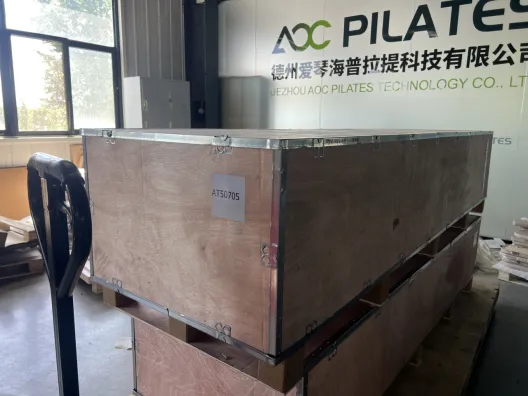
- Cargo Details: 4 Custom A-Frame Crates / 3,200 KGS / 5.5 CBM
- Routing: Shenzhen, China (POL) to Port of Dakar, Senegal (POD)
- Mode of Transport: Ocean Freight (LCL - Less than Container Load)
- ETD: May 8, 2026
- Core Challenge: Preventing fracture and edge damage to highly fragile, heavy stone slabs during multi-stop LCL consolidation and long-haul transit to West Africa.
Shipping heavy, fragile materials like quartz countertops is inherently risky. Shipping them via LCL (Less than Container Load) to a distant destination like West Africa significantly multiplies that risk. In LCL shipping, cargo shares space with various other goods and undergoes multiple handling stages at consolidation and transshipment hubs.
This operational record details the packaging adjustments and LCL consolidation procedures implemented to safely transport fragile quartz kitchen tops from Shenzhen to the Port of Dakar.
The Client's Challenge: High Risk of Transit Damage
Our client, a building materials distributor based in Senegal, ordered a specific batch of high-end quartz kitchen tops from a supplier in Shenzhen. Because the volume (5.5 CBM) did not justify the cost of a dedicated 20FT container (FCL), LCL was the only economically viable option.
The operational hurdles included:
- Extreme Fragility vs. Weight: Quartz slabs are dense and heavy, yet they possess low tensile strength. Any flexing or lateral impact during crane lifting or vessel rolling can cause catastrophic cracking.
- LCL Consolidation Risks: Standard factory packaging is often designed for FCL (where the container is packed tight and sealed). In an LCL environment, the cargo is exposed to forklift handling at the Origin CFS (Container Freight Station) and potential shifting of adjacent cargo inside the shared container.
- Transshipment Handling: Routes to West Africa often involve transshipment at major hubs (like Tanger Med or Algeciras). Each container movement increases the risk of shock impact.
(Insert Photo Idea: A photo showing the quartz slabs in their original, inadequate factory packaging upon arrival at the Shenzhen warehouse.)
DTFU's Execution: Engineered Packaging and Strategic Stowage
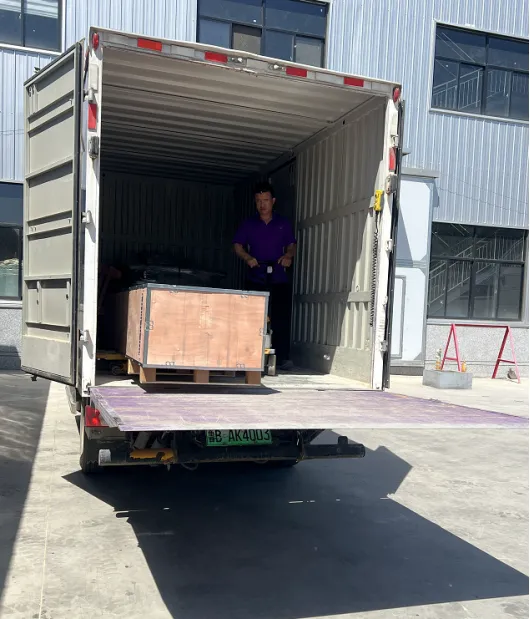
To mitigate these risks, DTFU’s operations team implemented a strict cargo-protection protocol at our Shenzhen consolidation center before the May 8th ETD.
1. Upgrading to "A-Frame" Crating
Upon receiving the cargo from the factory, our warehouse inspectors determined the standard flat wooden crates were insufficient to absorb lateral shocks.
- Action Taken: We contracted our specialized packing team to rebuild the packaging into heavy-duty "A-Frame" wooden crates. A-frames allow the quartz slabs to lean inward at a slight angle, utilizing their own gravity for stability and drastically reducing the risk of snapping from the center.
- Internal Buffering: We added high-density foam blocks between each slab to prevent friction and surface scratching during the long ocean transit.
(Insert Photo Idea: A close-up shot of the reinforced A-frame wooden crates being assembled or secured by DTFU warehouse staff.)
2. Strategic Container Loading (Stowage Plan)
LCL loading is like a high-stakes puzzle. We could not allow these heavy, fragile crates to be loaded arbitrarily.
- Corner Placement: The crates were loaded deep into the corners of the container, utilizing the rigid steel walls of the container as a natural brace.
- Lashing and Securing: Our team used heavy-duty ratchet straps and steel wires to lash the A-frames directly to the container's internal D-rings, ensuring zero movement.
- Top-Stow Restrictions: We strictly enforced a "No Top-Stow" policy for the adjacent space, ensuring no other cargo could shift and fall onto the quartz crates during turbulent sea conditions.
The Result: Flawless Delivery in Dakar
Through proactive risk management and specialized handling, the shipment was executed perfectly.
- Timeline: The LCL container departed Shenzhen on schedule (ETD: May 8, 2026) and arrived at the Port of Dakar without delays.
- Cargo Condition: Upon devanning (unloading) at the destination CFS in Dakar, all 4 crates were inspected. The quartz slabs remained in pristine condition, with zero cracks, chips, or surface damage.
- Project Impact: The Senegalese distributor was able to fulfill their contract with local developers on time, avoiding the massive cost and delay of re-ordering damaged stone from China.
"The proactive repacking at the origin warehouse and the strict loading protocols ensured the quartz tops arrived in Dakar without structural damage. This allowed us to meet our delivery obligations to the local developers on schedule without the need for costly replacements." — Supply Chain Manager, Building Materials Distributor (Dakar, Senegal)
Post-Operation Review
Shipping fragile, heavy materials via LCL requires front-loaded risk management. By intercepting inadequate factory packaging at the origin warehouse and enforcing strict stowage rules, the inherent risks of multi-hub LCL transit can be effectively neutralized. This case demonstrates the necessity of physical cargo inspection prior to consolidation.